Why a summer hobby club matters for children in Lobnya
Summer is prime time for informal learning. A well-designed hobby club mixes play, hands-on discovery and local culture to support:
— *Social-emotional development* — teamwork, empathy and self-regulation through group projects and peer play.
— *Cognitive growth* — curiosity-driven STEM, problem solving and creativity that build executive function.
— *Physical health* — regular outdoor activity improves motor skills and wellbeing.
— *Motivation to learn* — mastery experiences and meaningful projects increase intrinsic motivation for school-year learning.
— *Local identity and community ties* — exploring Lobnya’s parks, cultural centers and neighborhoods helps kids feel rooted and responsible.
Designing the club for Lobnya kids — practical parameters
— Target ages: 4–6 (early explorers), 7–9 (skill builders), 10–13 (creative specialists).
— Duration options:
— Half-day (4–5 hours): best for younger children or working families with complementary activities.
— Full-day (8 hours): includes lunch and rest, suits working parents and longer activities.
— Program length: flexible blocks (one-week intensives up to 6–8 week summer terms).
— Group size and staffing:
— Ages 4–6: max 8 children per educator (1:6–1:8 ideal).
— Ages 7–9: max 10–12 per educator.
— Ages 10–13: max 12–15 per educator.
— Locations in Lobnya: local parks, school gymnasiums, Дом культуры / community centers, libraries and safe outdoor sites for nature studies. Arrange permissions for field trips and outdoor access.
Core program components (balanced weekly plan)
— Morning: warm-up games, group circle, short instructional block.
— Mid-morning: focused creative or STEM workshop (hands-on).
— Lunch / rest: healthy meal and quiet time.
— Afternoon: outdoor play, sports or nature exploration.
— Late afternoon: project time, reflection and showcase.
— Weekly rhythm: theme week culminating in a small presentation or mini-exhibition for parents.
Themes and sample week (4-week sample)
Week 1 — Urban Explorers of Lobnya
— Mini-mapmaking, local-history scavenger hunt, nature walk in the park.
Week 2 — Little Inventors (STEM)
— Simple machines, cardboard engineering, water experiments, teamwork challenges.
Week 3 — Arts & Stories
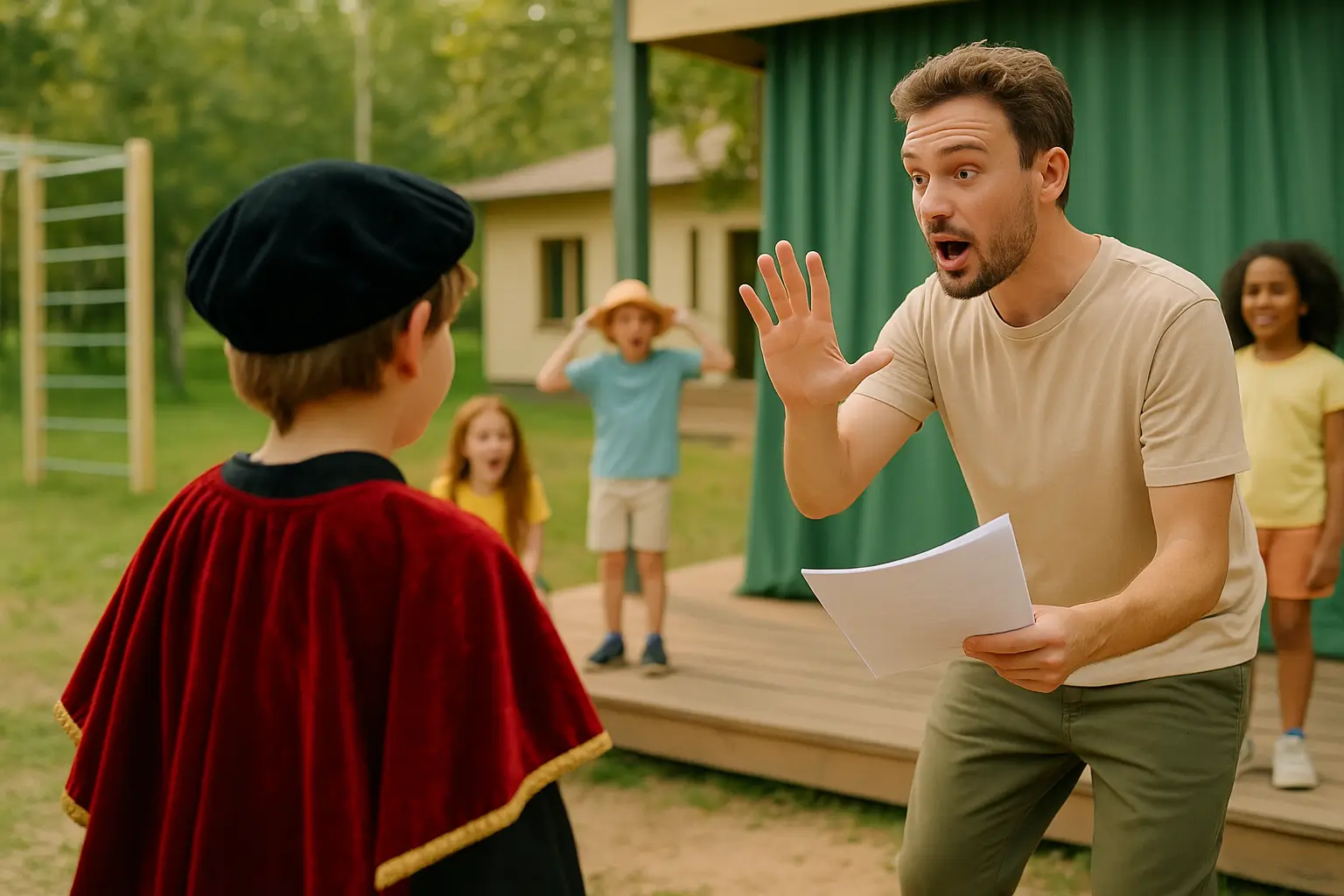
— Puppet-making, local legends, outdoor sketching, short theatre performances.
Week 4 — Eco-Stewards
— Trash-to-art, pollinator gardens (container planting), basic eco-education and community clean-up.
Age-specific activity examples
— Ages 4–6:
— Sensory nature bins, guided story walks, cooperative games, simple art mosaics.
— Ages 7–9:
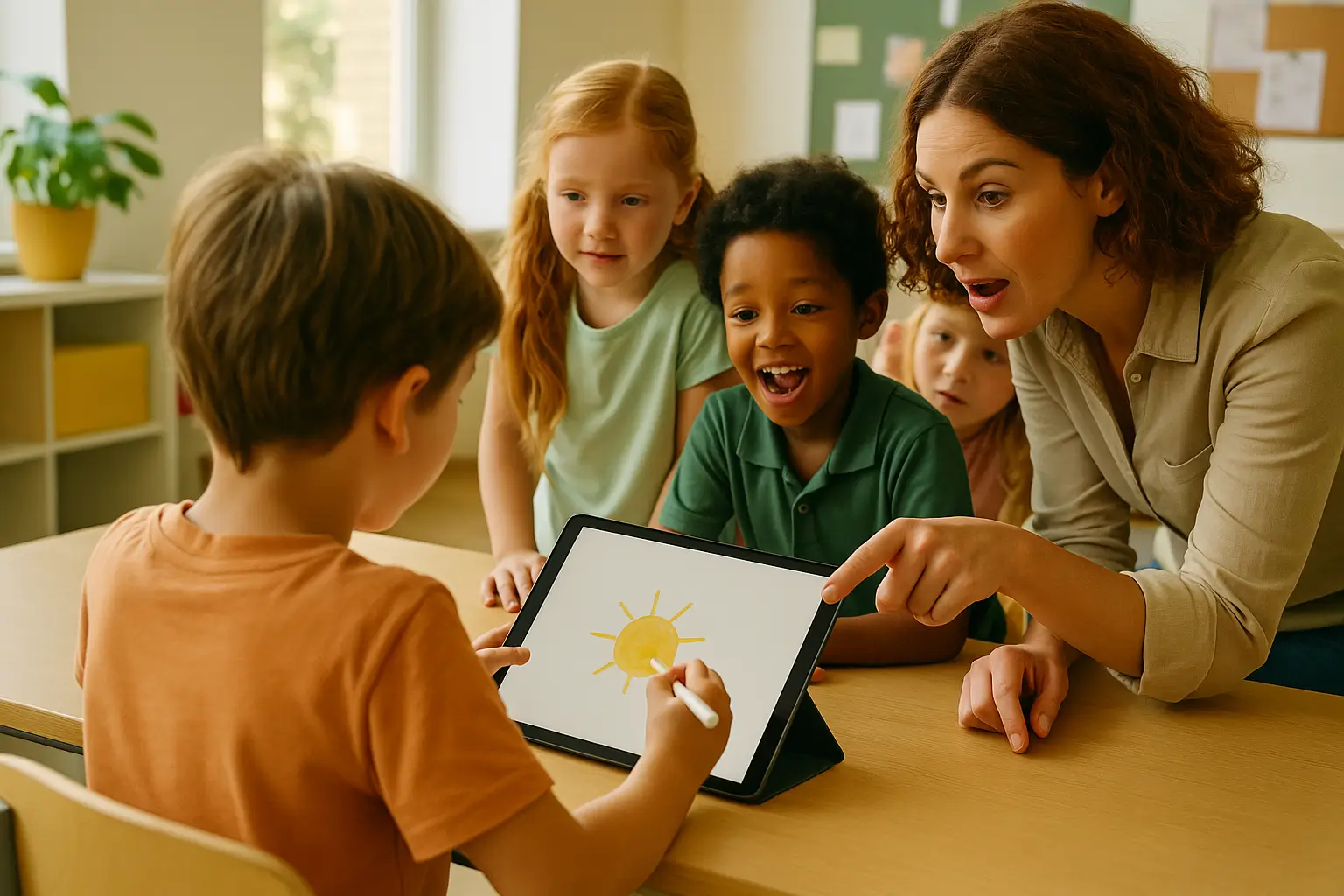
— Beginner robotics kits, small-group science experiments, stop-motion animation, local history projects.
— Ages 10–13:
— Coding club challenges, documentary micro-projects about Lobnya, community service mini-projects, leadership roles guiding younger groups.
Staffing, safety and logistics
— Clear policies:
— Health forms, allergy lists, emergency contacts and signed photo/field trip consent.
— First aid certification for staff; at least one staff trained in CPR/first aid per group.
— Daily headcounts, sign-in/out procedures and secure drop-off points.
— Facilities:
— Shaded outdoor areas, access to drinking water, clean restrooms, indoor contingency rooms for bad weather.
— Transport:
— Organize walking routes, parent-arranged pick-up, or contracted buses with seatbelts and trained drivers for off-site trips.
— Insurance and legal:
— Public liability coverage, background checks for staff where required, local registration with municipal youth services if applicable.
Inclusion and accessibility
— Offer tiered activities so children with different abilities can succeed.
— Provide quiet corners for kids who need sensory breaks.
— Communicate accommodations with parents; consider sliding-scale fees or scholarships to improve access.
Measuring impact and communicating with parents
— Short-term measures:
— Daily logs, photos (with consent), and a weekly parent summary.
— Developmental notes:
— Simple checklists for social skills, independence, motor skills and creative engagement; share examples of projects.
— Showcase:
— End-of-week mini-exhibition, performance or digital portfolio to show progress and celebrate achievements.
Community partnerships in Lobnya
— Collaborate with:
— Local schools, library branches, Дом культуры (community cultural centers), sports clubs and nearby ecological or youth organizations.
— Promotion channels:
— School noticeboards, VK / Telegram community groups, local parent chats, posters in libraries, and short presentations at school assemblies or community events.
Sample marketing blurb for parents
Join our Lobnya Summer Hobby Club: four weeks of hands-on fun, local adventures and new friends. Programs for ages 4–13 with small groups, trained educators and weekly showcases. Flexible half-day and full-day options — limited places. Contact [your phone/email/website] to reserve a spot.
Quick checklist for organizers
— Define age groups, schedule and fees.
— Secure venue(s) and