Why a Summer Hobby Club Matters in Lobnya
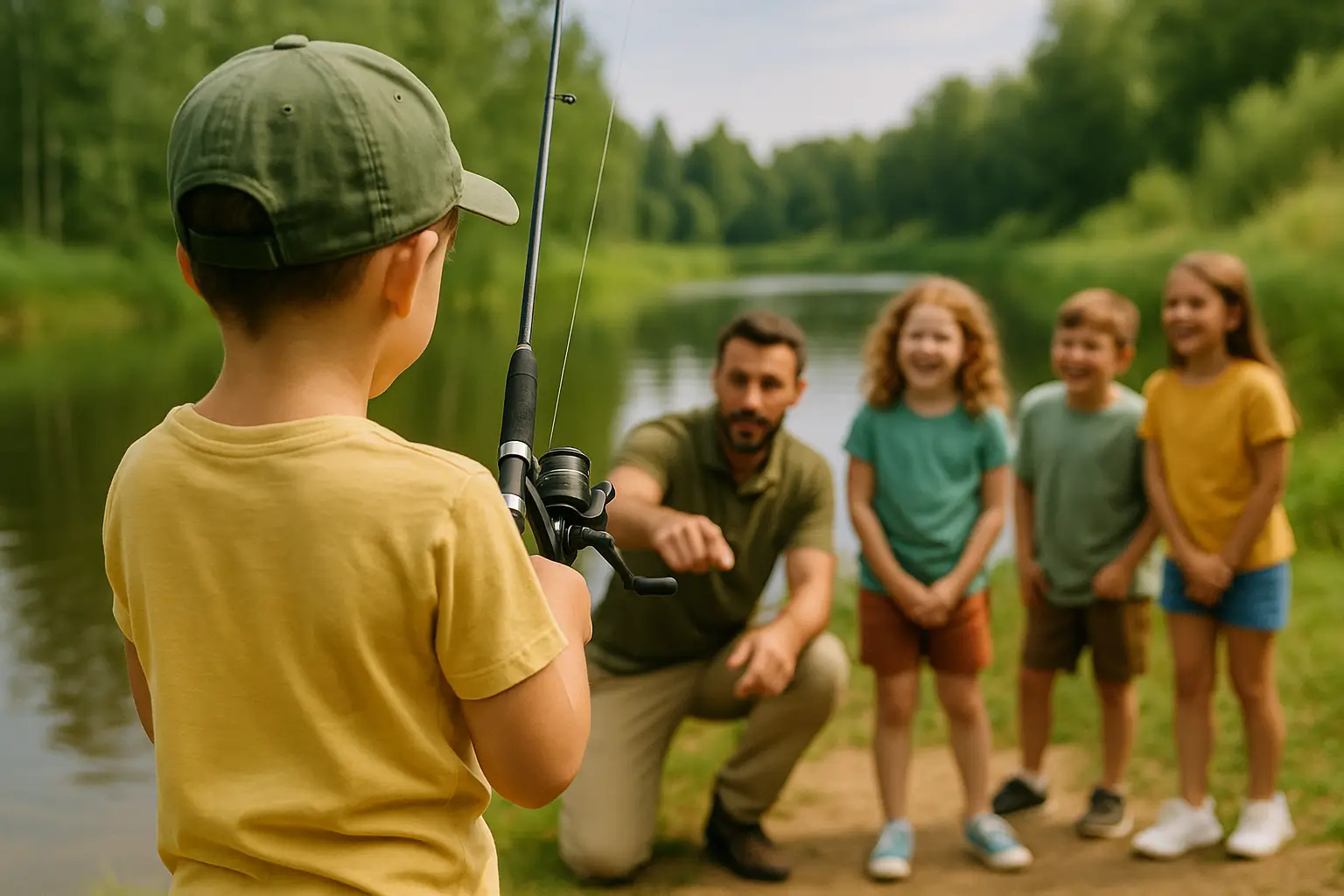
Summer is a unique space for children to explore interests without the pressure of formal school. A well-designed hobby club in Lobnya can turn warm months into a period of meaningful growth — cognitive, social, emotional and physical — while strengthening ties to the local community.
*Benefits at a glance:*
— Enhanced curiosity and motivation through hands-on learning
— Development of social skills and teamwork in mixed-age settings
— Improved self-regulation, resilience and independence
— Safe, constructive alternatives to unsupervised free time
Goals: What the Club Should Foster
Design the club with clear, measurable aims to guide activities and communicate value to parents.
— Cognitive: problem solving, planning, basic STEM thinking, language skills
— Practical skills: crafts, simple tools, music, sport fundamentals
— Social-emotional: cooperation, communication, conflict resolution
— Physical health: gross- and fine-motor development, outdoor play
— Cultural awareness: local history, art and community engagement
Age Groups and Formats
Structure by age to balance safety and challenge:
— 6–8 years: short activities, lots of movement, discovery-based play
— 9–11 years: skill-building projects, beginner workshops (e.g., robotics, painting)
— 12–14 years: leadership opportunities, multi-session projects, mentoring younger groups
Formats:
— Half-day sessions (mornings or afternoons) for younger kids
— Full-day with rest/quiet hour for older campers
— Weekly themes or rotating skill blocks for variety
Weekly Sample Schedule (Monday–Friday)
Morning routine: welcome, warm-up games, group check-in
— Monday — Nature & Science: park exploration, mini-ecosystem jars
— Tuesday — Creative Arts: local-culture crafts, collaborative mural
— Wednesday — Movement & Sport: team games, obstacle courses
— Thursday — Maker/Tech: simple robotics, building challenges
— Friday — Community Project: present a mini-exhibition or performance to families
Daily structure:
— 09:00–09:30 Arrival & free play
— 09:30–10:15 Main activity 1
— 10:15–10:30 Snack & movement break
— 10:30–11:30 Main activity 2 / small groups
— 11:30–12:00 Reflection, tidy-up, departure (or quiet time for full-day)
Activity Ideas Tied to Development
— Nature detectives: observation journals → attention, science habits
— Mini-theatre & storytelling: role-play, public speaking, empathy
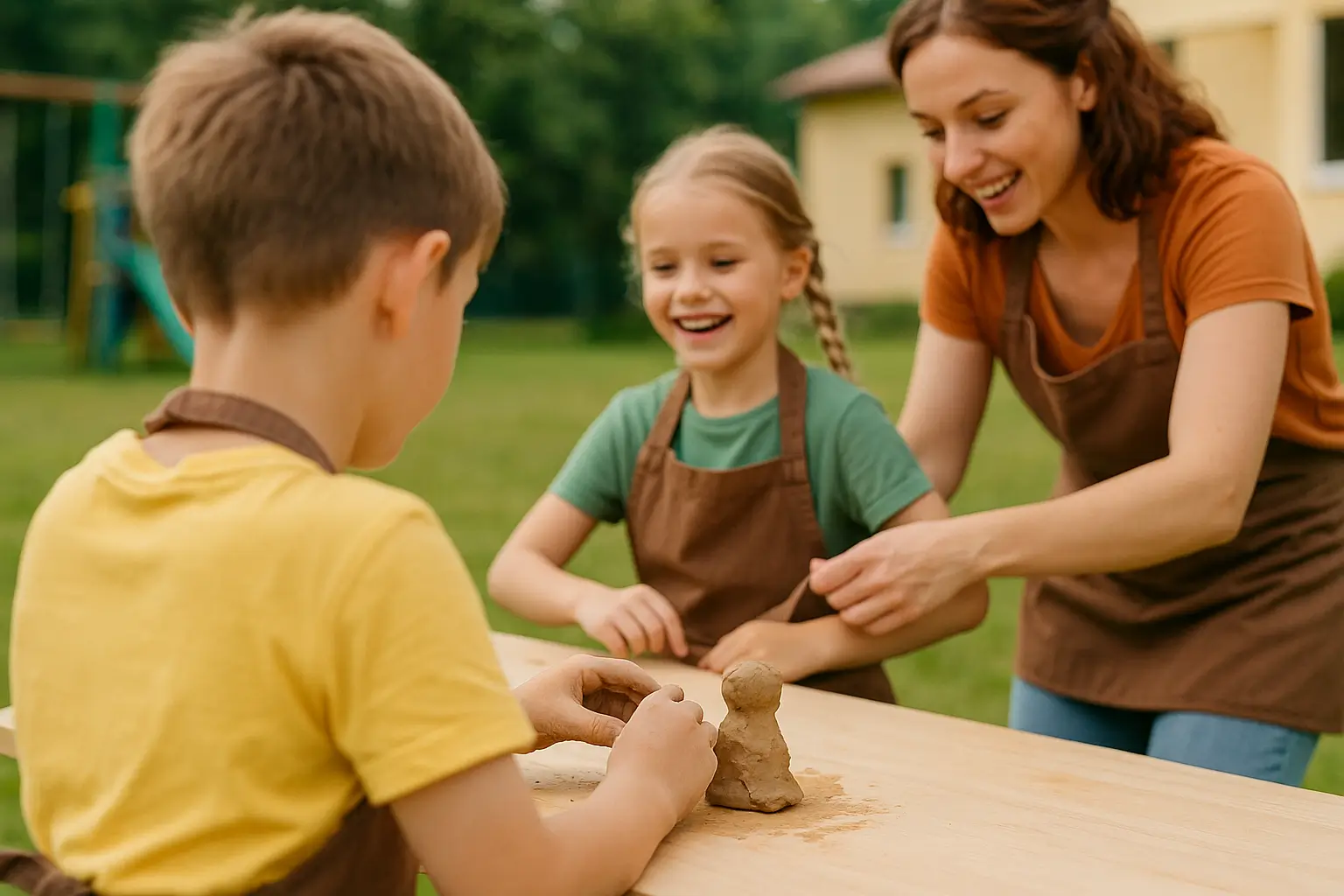
— Woodworking/handicrafts: fine motor skills, planning, pride in making
— Chess & strategy games: logic, patience, turn-taking
— Simple coding & robotics: sequencing, cause-effect, creative problem-solving
— Music circles: rhythm, cooperation, cultural connection
Local Connections in Lobnya
Partnering with local resources amplifies impact:
— Libraries and cultural centers for exhibition space and materials
— Parks and outdoor public spaces for nature activities and sports
— Schools and teachers for curriculum advice and use of facilities after hours
— University students and volunteers for mentoring and specialized sessions
Inclusion, Safety, and Permissions
Make the club accessible and trustworthy:
— Background checks and emergency training (first aid) for all staff
— Clear enrollment forms with medical info, allergies, and emergency contacts
— Sun safety, hydration rules, and weather contingency plans
— Transport permissions and signed release forms for off-site trips
— Small-group ratios and mixed-age buddy systems to support diverse needs
Measuring Progress and Reporting to Parents
Use simple, observable measures parents can understand:
— Weekly portfolio or photo diary of activities and outcomes
— Short rubrics across domains (social, cognitive, physical, creative) with 3 levels: Emerging / Developing / Confident
— Quick weekly email or a private VKontakte / WhatsApp update with highlights
— End-of-session mini-showcase or exhibition to demonstrate learning
Budgeting and Accessibility
Keep the program affordable and sustainable:
— Sliding-scale fees or sibling discounts
— Local sponsorships from shops or community businesses
— Low-cost materials: recycled supplies, natural materials from local green spaces
— One-off fundraising events or municipal youth grants
Recruiting Families in Lobnya
Effective community-focused marketing:
— Flyers in schools, kindergartens and community centers
— Posts in local VKontakte groups, neighbourhood chats and school newsletters
— Short open-house days or trial sessions for parents and kids
— Word-of-mouth incentives: “bring a friend” discount
Tips for Staff and Organizers
— Plan flexible activities with built-in alternatives for weather or mood changes
— Prioritize brief transitions and repeatable routines to reduce friction
— Encourage child-led choices: let kids vote on projects or themes
— Celebrate small wins to build confidence — public display of children’s work matters
Sample Parent Message (Short)
We’re excited to welcome your child to the Lobnya Summer Hobby Club! Each week we focus on fun, hands-on activities that build skills, confidence and friendships. We’ll send a weekly photo update and invite you to our final showcase. Please fill out the registration and medical form before the start date.
Final Thought
A summer hobby club in Lobnya can be much more than seasonal childcare: it’s a place where children discover passions, practice social skills, and connect with their town. With clear goals, thoughtful partnerships, and a child-centered approach, the club will leave lasting benefits for kids and the whole community.