Summer Hobby Club in Lobnya: Growing Skills, Confidence and Curiosity
Summer hobby clubs are more than a way to keep children busy between school years — they are powerful environments for child development. For families in Lobnya and the Moscow Oblast, a well-designed summer program can combine local resources, safe outdoor time, and purposeful learning to support cognitive, social, emotional and physical growth.
Why summer hobby clubs matter
— *Cognitive development*: hands-on projects (science experiments, coding, crafts) strengthen problem-solving, sequencing and curiosity.
— *Social skills*: mixed activities and group projects teach cooperation, communication and conflict resolution.
— *Emotional growth*: risk-taking in a supportive setting builds resilience, self-regulation and self-esteem.
— *Physical health*: outdoor play and sport improve coordination, stamina and general well-being.
— *Continuity of learning*: hobby clubs prevent “summer slide” by reinforcing skills in engaging ways.
Tailoring the program to Lobnya
— Leverage local venues — parks, playgrounds, libraries and the town’s cultural centers — for safe outdoor and indoor activities.
— Keep sessions short and flexible to respect family schedules common in smaller towns.
— Integrate local culture and environment (town festivals, nature walks, local history) to strengthen community identity and belonging.
— Offer language options or support if needed (Russian primary; simple English or bilingual activities can be included for enrichment).
Core activities and their developmental benefits
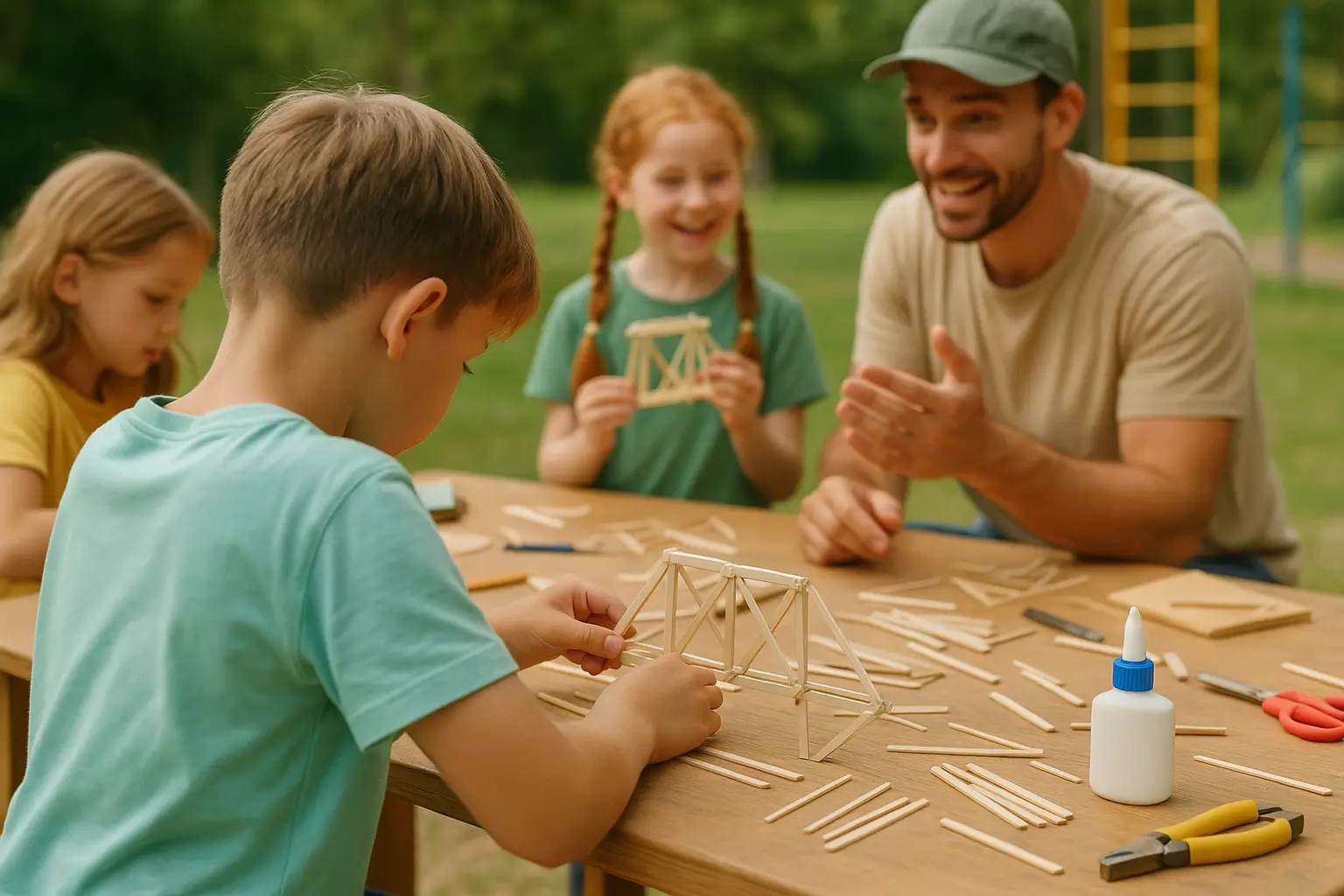
— Arts & crafts: fine motor skills, creativity, planning and self-expression.
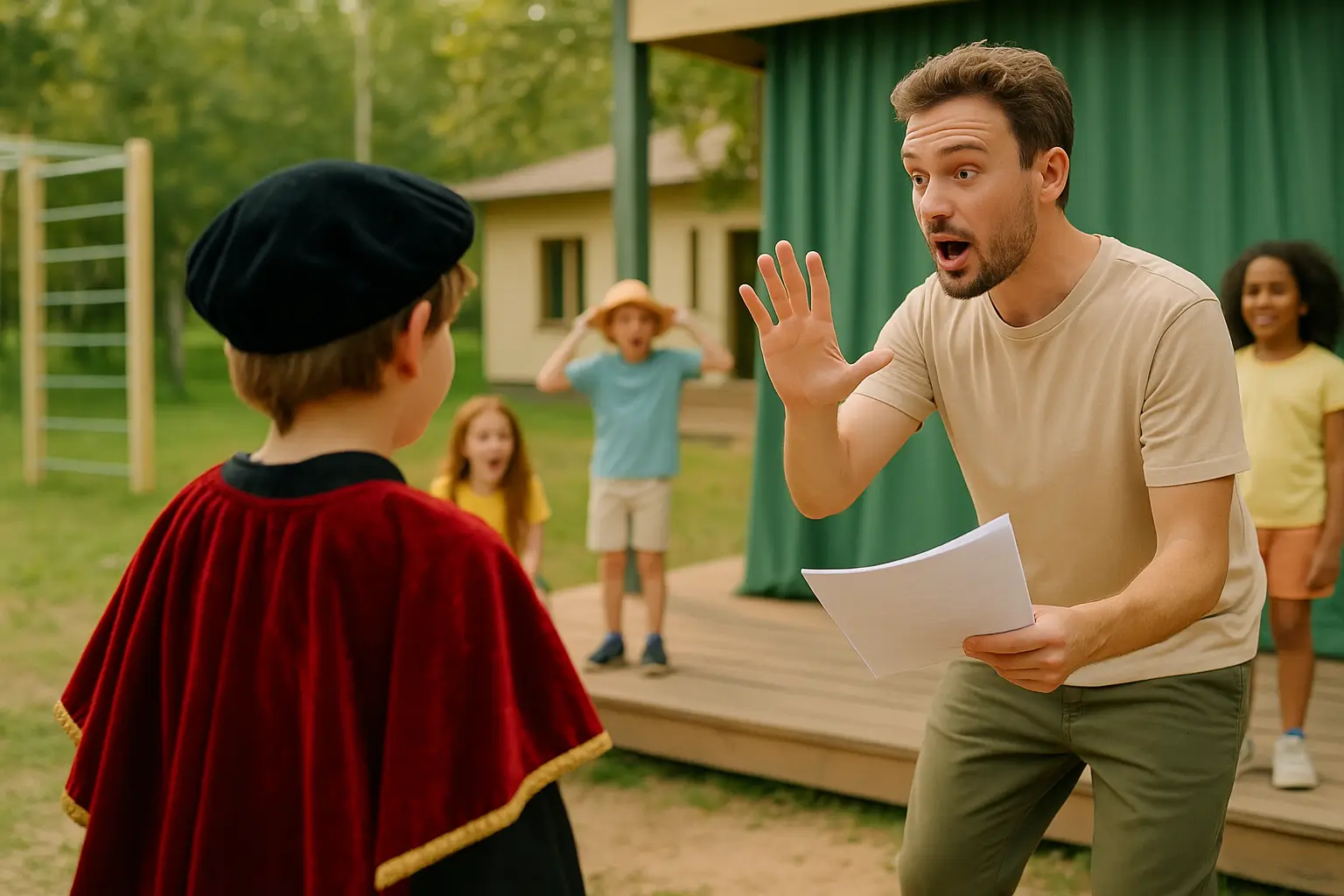
— Theatre & storytelling: language skills, empathy, public speaking and imagination.
— STEM workshops (robotics, simple coding, experiments): logical thinking, persistence and collaboration.
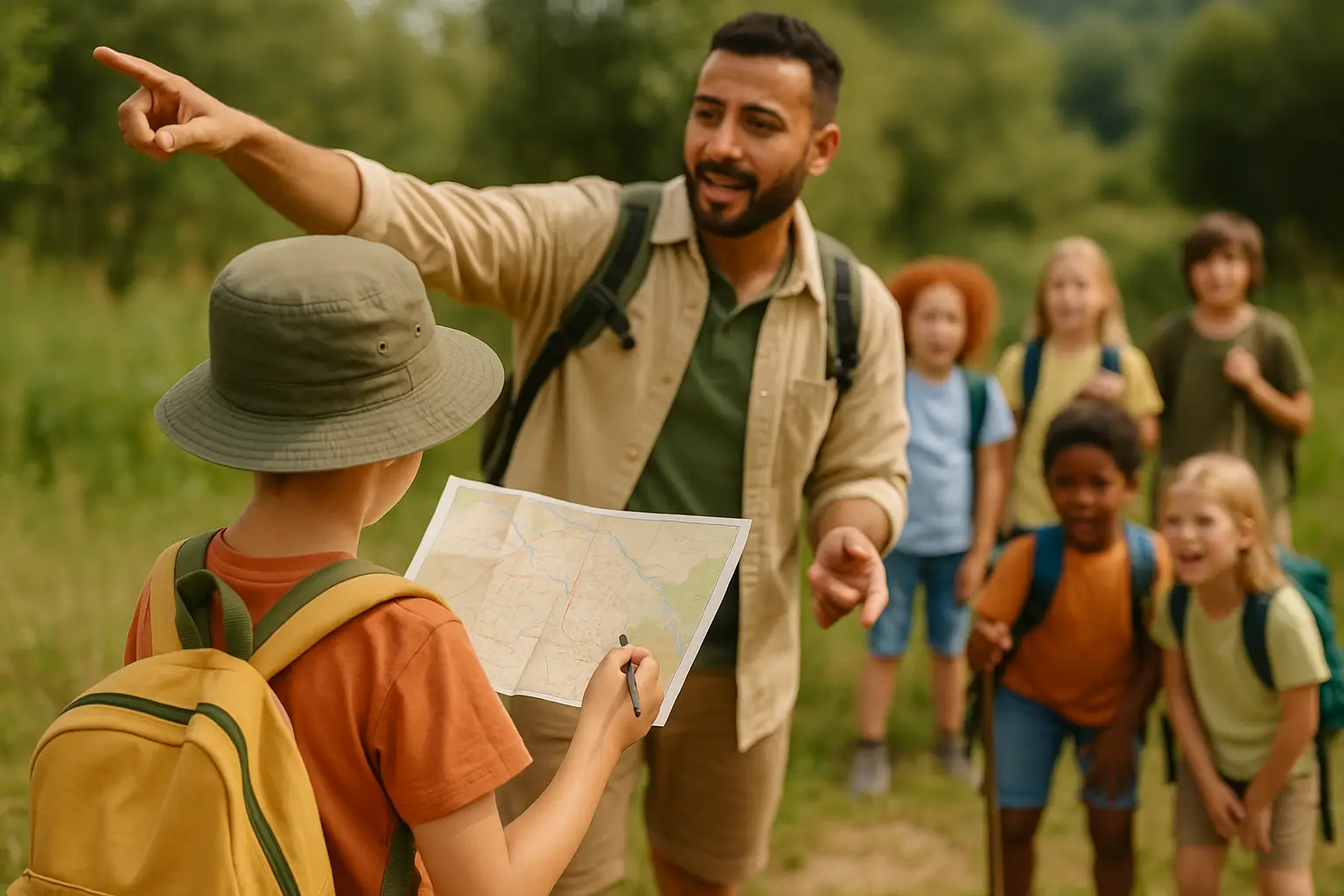
— Nature & ecology walks: observation, responsibility and scientific thinking.
— Sports & movement: teamwork, gross motor development and healthy habits.
— Music & rhythm: auditory processing, memory and emotional expression.
— Mini-journalism / civic projects: literacy, critical thinking and community awareness.
Age-focused goals
— Ages 5–7: sensory-rich, play-based projects; short sessions; focus on social sharing and basic self-help skills.
— Ages 8–10: project-based learning with small teams; introduce simple planning and responsibility roles.
— Ages 11–14: deeper skill development, leadership opportunities, portfolio-building and real-world mini-projects.
Sample weekly structure
— Monday — Maker Monday: hands-on STEM and craft projects.
— Tuesday — Active Tuesday: sports, movement, outdoor games.
— Wednesday — World & Nature: local walks, nature study, environmental projects.
— Thursday — Creative Thursday: music, theatre, visual arts.
— Friday — Community & Showcase: group presentations, mini-exhibitions, family open afternoons.
Each day: warm-up (15–20 min), focused activity (60–90 min), group reflection/debrief (15–20 min), optional free-choice stations.
Safety, staffing and quality indicators
— Trained staff with background checks, first aid certification and experience working with children.
— Clear adult-to-child ratios (recommendation: no more than 1:8 for younger children; 1:12 for older groups).
— Written emergency procedures and parental communication plan.
— Inclusive practices: accommodations for different abilities, sensory-friendly options, and anti-bullying policies.
— Regular assessment: short weekly showcases, photo journals or progress notes to share with parents.
How parents benefit
— Peace of mind from structured, supervised time that also advances learning.
— Opportunities to observe child strengths and emerging interests.
— Potential for reduced summer isolation and improved daily routines.
— Networking with other local families and community involvement.
Measuring success
— Observe measurable outcomes: new skills learned, social confidence, willingness to try new activities.
— Use simple tools: parent/child feedback forms, weekly skill snapshots, end-of-session mini-portfolio.
— Celebrate small wins publicly (family showcases, certificates, community board at the cultural center).
Practical tips for Lobnya parents
— Choose programs that mix outdoor and indoor time — Lobnya summers can be warm and local green spaces are excellent learning labs.
— Ask about staff qualifications, daily schedules and safeguarding policies before enrolling.
— Pack practical items: water bottle, hat, comfortable clothes, a small snack and a labeled change of clothes.
— Look for clubs that partner with local libraries, Дом культуры or schools for extra resources and credibility.
Getting started
Start by visiting your local cultural center, library or municipal youth services to find summer hobby clubs in Lobnya. Ask for a sample weekly program, staff bios and references. A strong club will offer a clear balance: purposeful learning, playful experience and safe, local community connections.
Emphasize curiosity over perfection — the best summer clubs help children leave with new interests, stronger social skills and a visible boost in confidence.