Summer Hobby Club in Lobnya: Growing Skills, Friendships, and Confidence
Summer is a powerful window for children’s growth — a season when curiosity, freedom and structured play combine to accelerate learning. A well-designed summer hobby club in Lobnya gives kids more than supervised time off: it builds creativity, social skills, self-regulation and specific competencies that help them thrive in school and life.
Why a hobby club matters for child development
— Holistic learning: Hobbies combine cognitive, emotional and physical development — thinking skills, self-expression and motor coordination.
— Motivation through interest: Kids learn best when they choose or are interested in an activity. Hobbies ignite intrinsic motivation that transfers to academic effort.
— Social and emotional skills: Group projects and shared play teach communication, conflict resolution, cooperation and empathy.
— Confidence and agency: Completing a project, performing on stage, or building a robot strengthens self-efficacy and resilience.
— Safe risk-taking: Supervised new experiences let children explore, fail safely and try again — essential for growth.
Program highlights to include (tailored for Lobnya families)
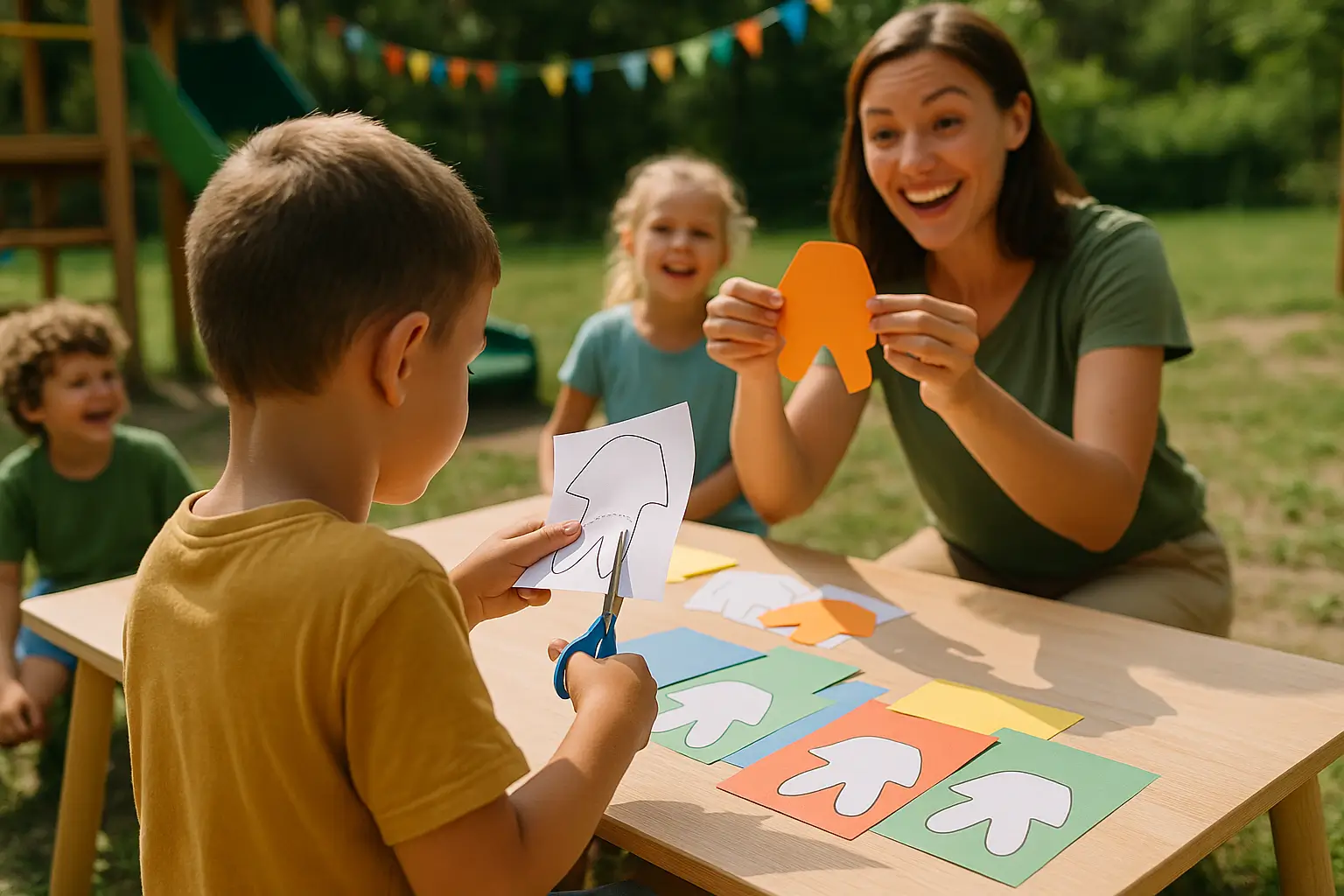
— Creative arts & crafts: Painting, papier-mâché, and seasonal projects using affordable, locally available materials.
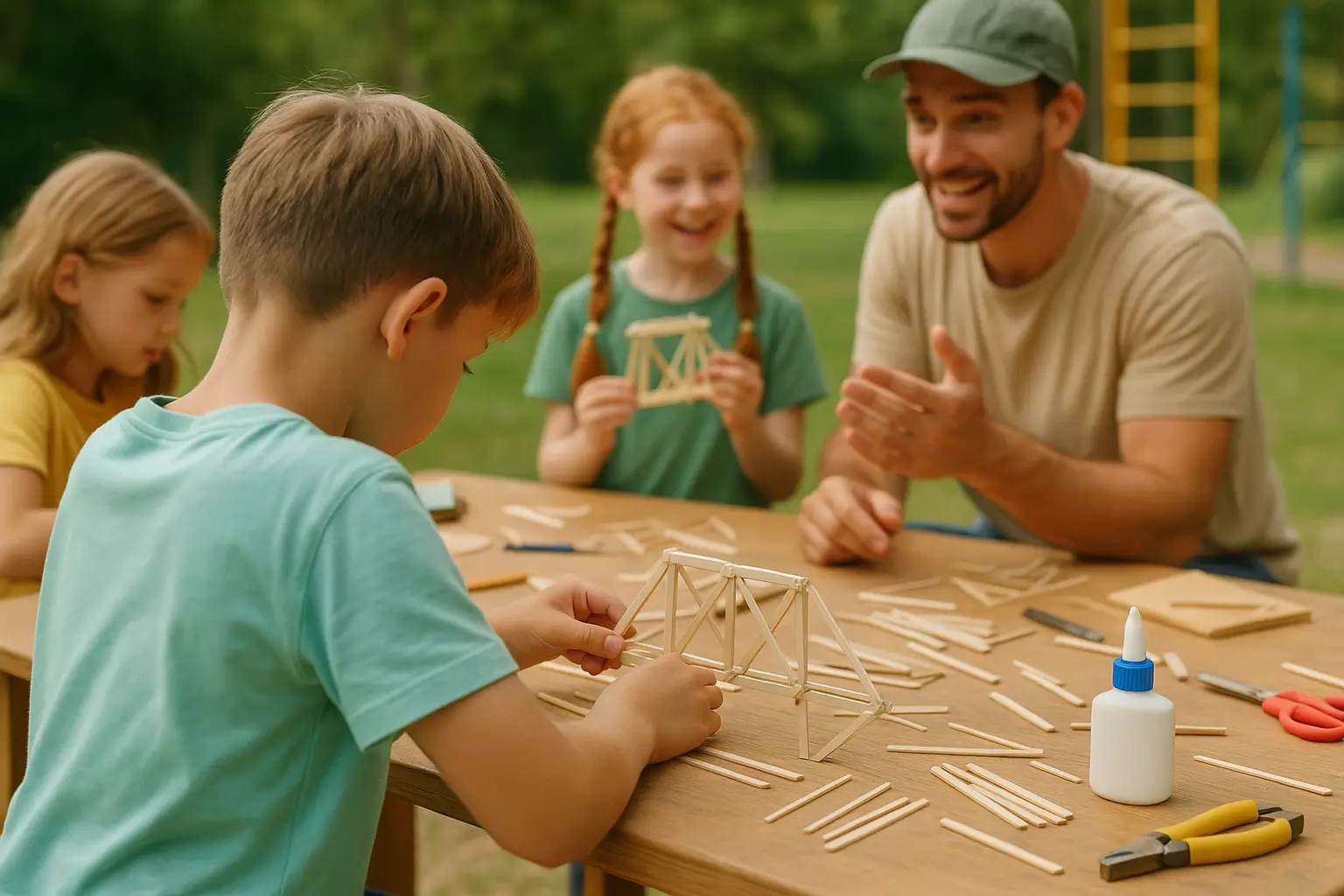
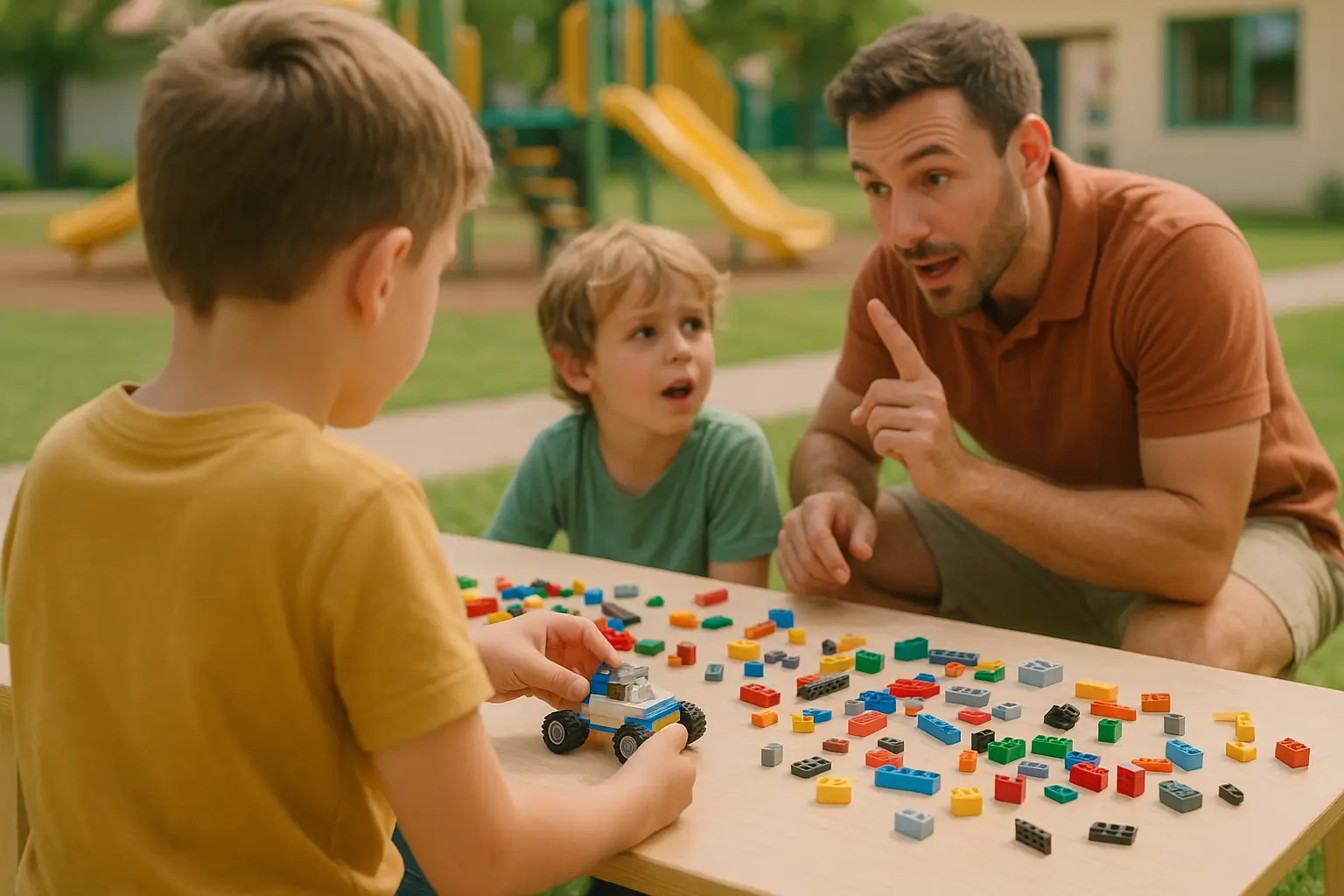
— STEM and robotics: Hands-on experiments and beginner robotics kits to develop logical thinking and problem-solving.
— Nature and ecology: Walks in local parks, simple ecology lessons, and planting projects that connect children to Lobnya’s natural spaces.
— Drama & public speaking: Short plays and storytelling to boost language skills and stage confidence.
— Sports and movement: Team games, balance and coordination activities suited to different ages and abilities.
— Reading & language corners: Book clubs, creative writing, and optional English practice sessions for older kids.
— Local culture & craft workshops: Sessions that introduce regional crafts, history and community traditions — forging local identity and pride.
— Mini-enterprise projects: Simple market days where kids design, make and “sell” items to learn basic economics and teamwork.
Age groups and structure
— Ages 6–8: Play-based learning, shorter activities, lots of sensory and movement breaks.
— Ages 9–11: Project-focused groups with small teams, longer sessions and guided skill-building.
— Ages 12–14: Advanced workshops, leadership roles, elective tracks (e.g., robotics, theater, eco-projects).
Typical weekly schedule (sample)
— Monday: Icebreakers, team-building, intro to weekly theme
— Tuesday: Skill workshops (art/robotics/sports)
— Wednesday: Field trip or outdoor exploration in a local park
— Thursday: Project work and guest instructor session (local artist/coach)
— Friday: Showcase, performance or market day + parent-sharing time
Learning outcomes parents can expect
— Improved cooperation and communication
— Better focus, planning and task completion
— Enhanced creativity and problem-solving
— Increased physical confidence and healthy habits
— Deeper local awareness and civic pride
Safety, staffing and logistics
— Maintain low staff-to-child ratios (ideally 1:8 or better for younger groups).
— Staff with childcare, first aid training and activity-specific skills (coaches, artists, teachers).
— Clear arrival/pick-up procedures and emergency contacts.
— Use indoor backup plans for rainy days and secure outdoor sites for excursions.
— Coordinate with parents on allergies, medications and special needs accommodations.
Inclusion and accessibility
— Offer sliding-scale fees or scholarships to ensure broad participation.
— Provide modified activities for children with different physical or sensory needs.
— Encourage peer mentorship: older kids help younger ones, building leadership skills.
Community partnerships in Lobnya
— Collaborate with local schools, the town library, cultural centers and sports clubs for venues and guest instructors.
— Invite local artisans and teachers to give workshops — strengthens community ties and gives kids real role models.
— Use public parks and community spaces for low-cost outdoor programming.
Measuring progress and communicating with parents
— Short portfolios: photos, project snapshots and a one-line skill highlight each week.
— Weekly newsletters or a private group with quick updates and photos.
— End-of-session showcase where children present work to family and friends.
How to get started / enroll
— Publicize registration through local schools, community boards and social media groups for Lobnya families.
— Offer trial days or open-house sessions so parents and children can meet staff and see activities.
— Provide clear pricing, schedule, refund policy and contact details for questions.
Final note
A summer hobby club in Lobnya can be more than a childcare solution — it can become a vibrant learning community where children discover passions, develop critical life skills and build friendships that extend beyond the season. With thoughtful planning, trained staff and strong community partnerships, your club will help every child leave summer richer in confidence, competence and curiosity.
If you’d like, I can draft a sample weekly flyer, a parent registration form, or a promotional social-media post tailored to Lobnya audiences. Which would help most?