Why a Summer Hobby Club in Lobnya matters
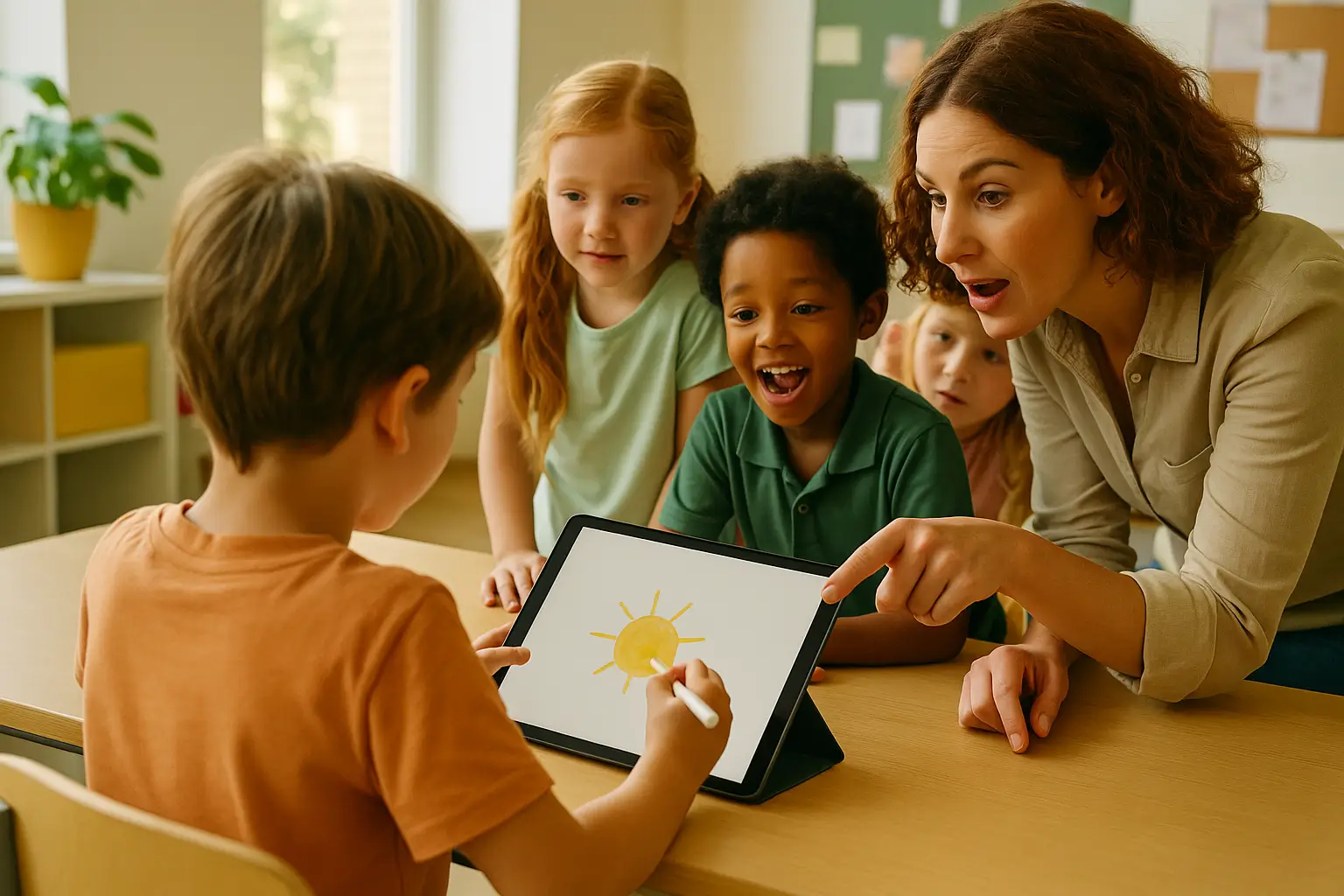
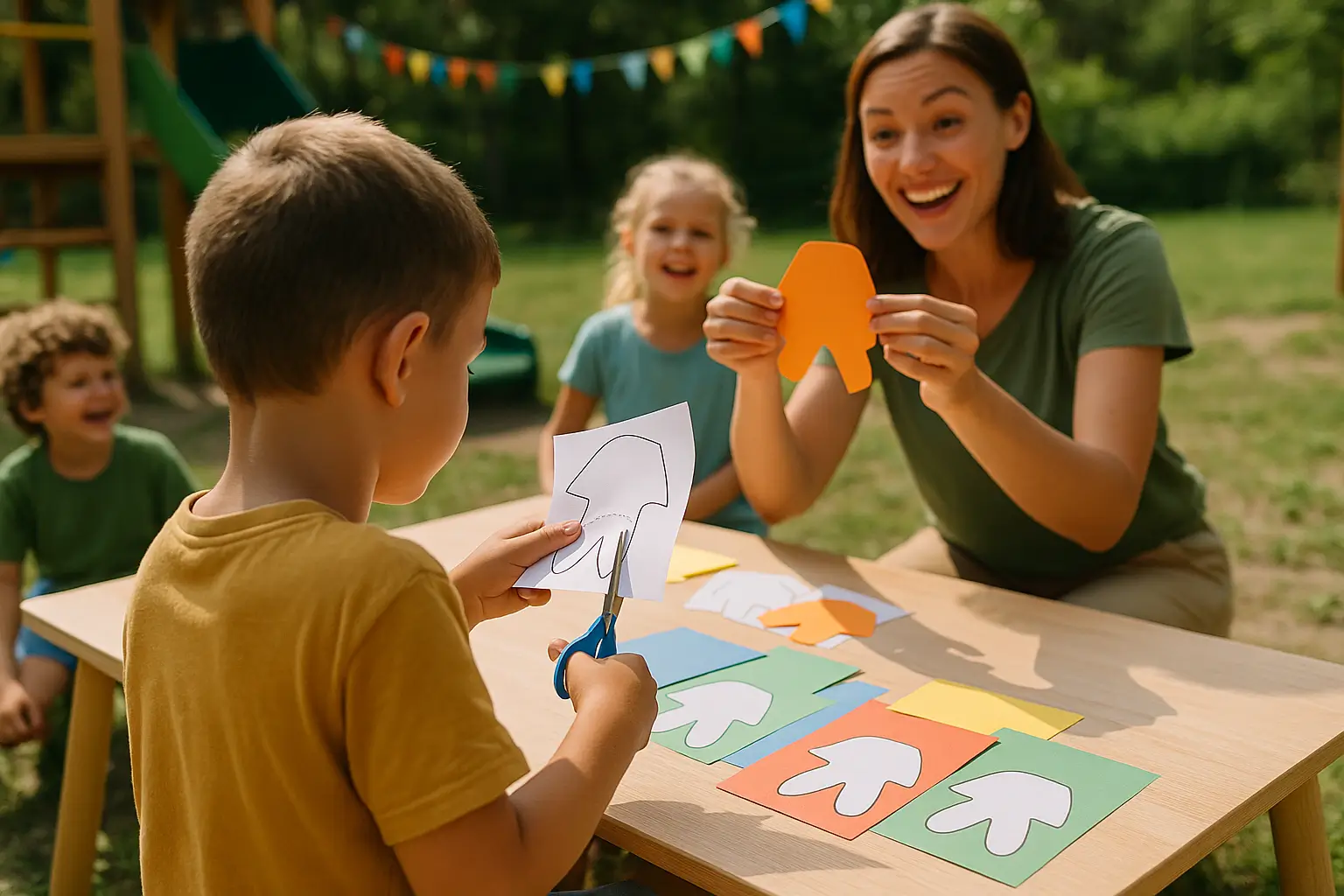
Summer is a critical window for informal learning: children consolidate skills gained during the school year, explore new interests, and build friendships. A well‑designed hobby club in Lobnya gives local families an enriching, accessible option that blends creative play, hands‑on learning and community connection — all within the familiar surroundings of the town’s parks, cultural centers and neighborhood spaces.
*Key benefits:*
— Holistic development: cognitive, social, emotional, physical and creative growth.
— Safe, structured free‑time: replaces passive screen time with purposeful activity.
— Community building: strengthens ties between families, teachers and local organizations.
— Access to enrichment without long commutes to central Moscow.
Program design: principles that work
— Child‑centered: activities adapted to age, interest and developmental stage.
— Project‑based: short projects that produce visible results (exhibits, mini‑performances, prototypes).
— Play + learning balance: playful approaches to problem solving and skill practice.
— Local context: use Lobnya’s green spaces, cultural sites and community resources as living classrooms.
— Inclusion: accommodate different abilities and provide language support if needed.
Age groups and recommended group sizes
— 6–8 years: max 12 children per group — focus on guided creativity, basic teamwork, outdoor play.
— 9–11 years: max 15 children — more complex projects, introductory STEM, collaborative challenges.
— 12–14 years: max 15–18 children — leadership roles, deeper skill development, mentoring younger kids.
Staffing: 1 qualified adult leader per 8–12 children with trained assistants and local volunteers for excursions.
Sample weekly structure (flexible)
— Duration: 5 days/week, 4–6 hours/day (half‑day and full‑day options).
— Daily rhythm:
— Welcome circle & warm‑up (20 min)
— Thematic skill session (60–90 min)
— Snack / free play (20–30 min)
— Project time / workshops (60–90 min)
— Outdoor activity / sports (30–45 min)
— Reflection & showcase (15–20 min)
Weekly theme ideas and sample activities
— Arts & Crafts Week
— Plein air painting in a park, clay modeling, recycled‑materials sculptures, mini gallery opening.
— Science & Robotics Week
— Simple machines, LEGO or microcontroller projects, river ecology experiments (water quality basics).
— Outdoor & Ecology Week
— Nature walks, plant ID, building bird feeders, map reading and treasure hunts.
— Performing Arts & Languages Week
— Short plays, shadow theater, music circles, language games (English/Russian conversational play).
— Life Skills & Cooking Week
— Easy no‑cook recipes, budgeting games, teamwork and basic first aid.
— Sports & Team Games Week
— Street games, orienteering, cooperative challenges, introduction to athletics.
Learning outcomes (what children gain)
— Cognitive: problem solving, planning, basic scientific thinking.
— Social & emotional: cooperation, communication, empathy, resilience.
— Creative: expression through visual, musical and dramatic arts.
— Motor: fine motor skills (crafts, robotics), gross motor (games, outdoor play).
— Practical: self‑care, basic safety, teamwork, project completion.
Safety, staffing and logistics
— Background checks and first‑aid certification for staff.
— Clear emergency plan and parental consent forms for outings.
— Sun and insect protection, hydration stations, allergy‑aware snack policies.
— Ratio and group size limits to ensure supervision and quality interaction.
— Transparent communication: daily summaries, photos, brief progress notes.
Partnership and community resources in Lobnya
— Collaborate with local libraries, cultural centers, school gyms and parks for space and expertise.
— Invite local artists, teachers and older students as guest mentors.
— Organize a final community showcase in a public space to celebrate outcomes.
Practical checklist for organizers
— Define age groups, schedule, fees and scholarships.
— Secure indoor and outdoor venues and backup rainy-day locations.
— Prepare a basic materials list per activity and a shared supply kit.
— Set registration procedure, medical forms and emergency contacts.
— Promote through local schools, social media groups and community boards.
Advice for parents
— Choose a program that balances structure and free play.
— Look for clear safety policies and staff qualifications.
— Encourage your child’s reflection: ask what they built, learned or enjoyed each day.
— Support continuity: keep materials at home for follow-up projects and conversations.
— Volunteer time if possible — it deepens your child’s sense of community.
Measuring success
— Short term: daily engagement, happiness, willingness to try new tasks.
— Medium term: completion of projects, improved collaboration and independence.
— Long term: sustained interest in hobbies, new friendships, and practical skills retention.
Promotional blurb (for flyers or local posts)
Join Lobnya’s Summer Hobby Club: a safe, creative and active summer for kids aged 6–14. Each week brings new themes — from art and theater to robotics and outdoor ecology — led by trained educators and local mentors. Small groups, lots of hands‑on learning, and a final community showcase. Limited spots — register early!
How to get started
— Identify potential venues and partners (library, house of culture, school gyms, parks).
— Draft sample schedules and budgets (include scholarship line).
— Recruit staff and volunteers with clear role descriptions.
— Open a short registration and interest form for families and hold an info meeting.
If you’d like, I can draft:
— a 4‑week program calendar tailored to Lobnya facilities,
— a printable flyer text in Russian and English,
— or a sample parental consent and safety form. Which would you like next?