Why a Summer Hobby Club Matters for Child Development
Summer is more than a season — it’s an opportunity. For children in Lobnya, a well-designed summer hobby club does more than keep kids busy: it accelerates social, cognitive, emotional, and physical development through hands-on learning, creative play, and connection with the local community. A hometown club tailored to Lobnya’s neighborhoods, parks, and cultural life combines fun with meaningful growth.
Key Developmental Benefits
— Social skills and teamwork — group projects, cooperative games, and shared responsibilities teach communication, empathy, and conflict resolution.
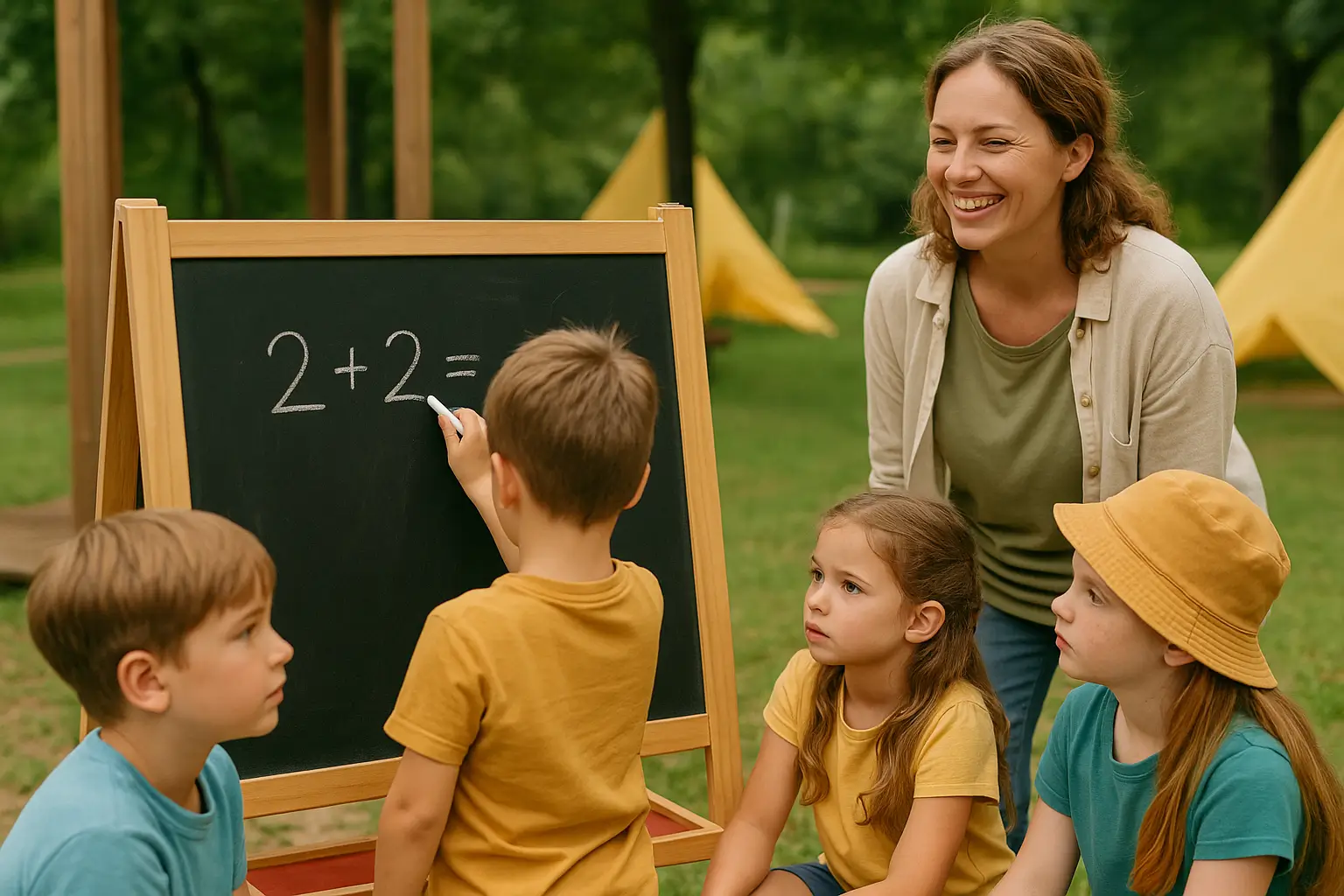
— Cognitive growth — project-based learning, problem-solving challenges, and exploratory activities stimulate critical thinking and curiosity.
— Emotional resilience — supportive mentors and risk-managed challenges help children learn to manage frustration, celebrate effort, and build confidence.
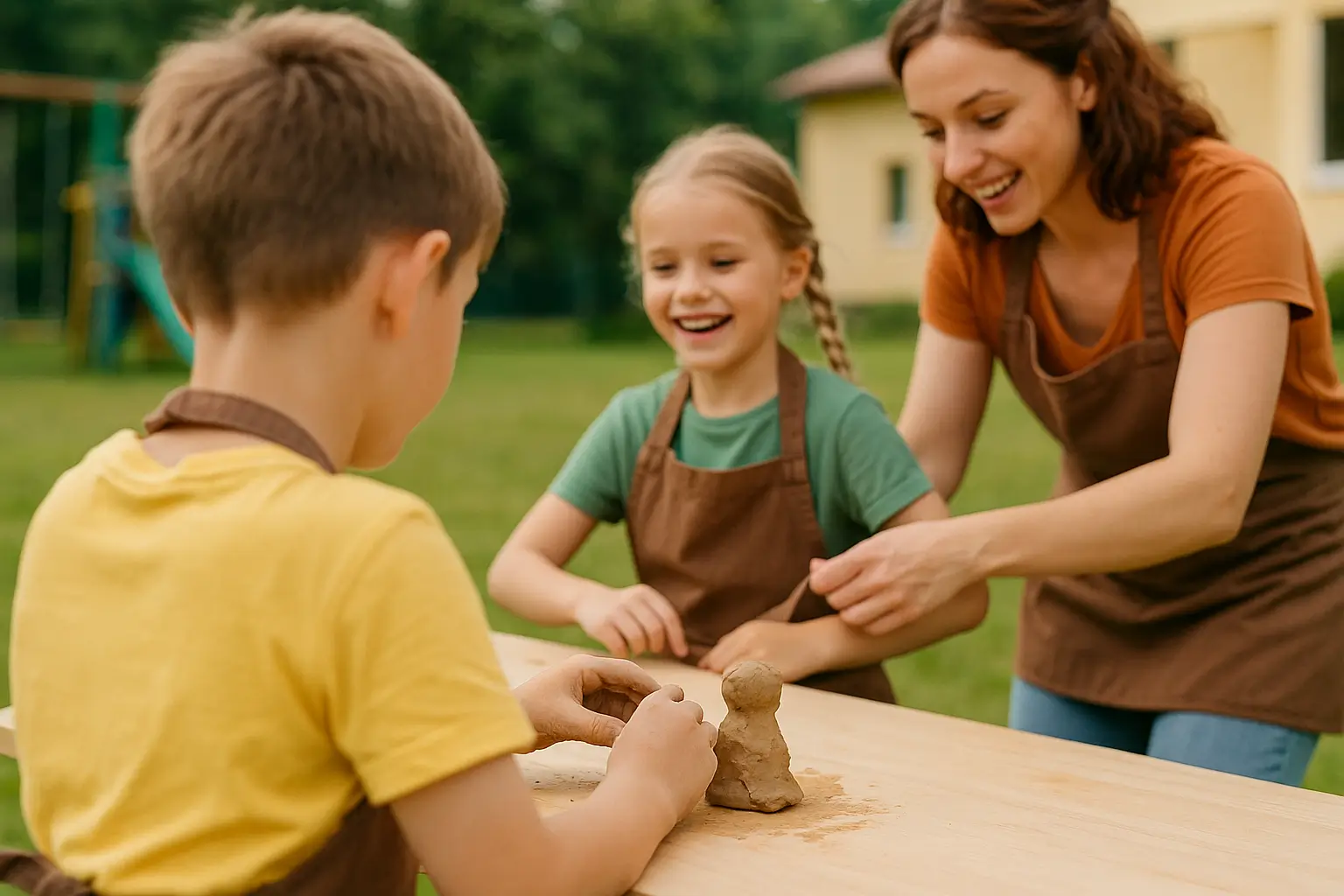
— Creative expression — art, music, drama, and maker activities let kids experiment, improvise, and express identity.
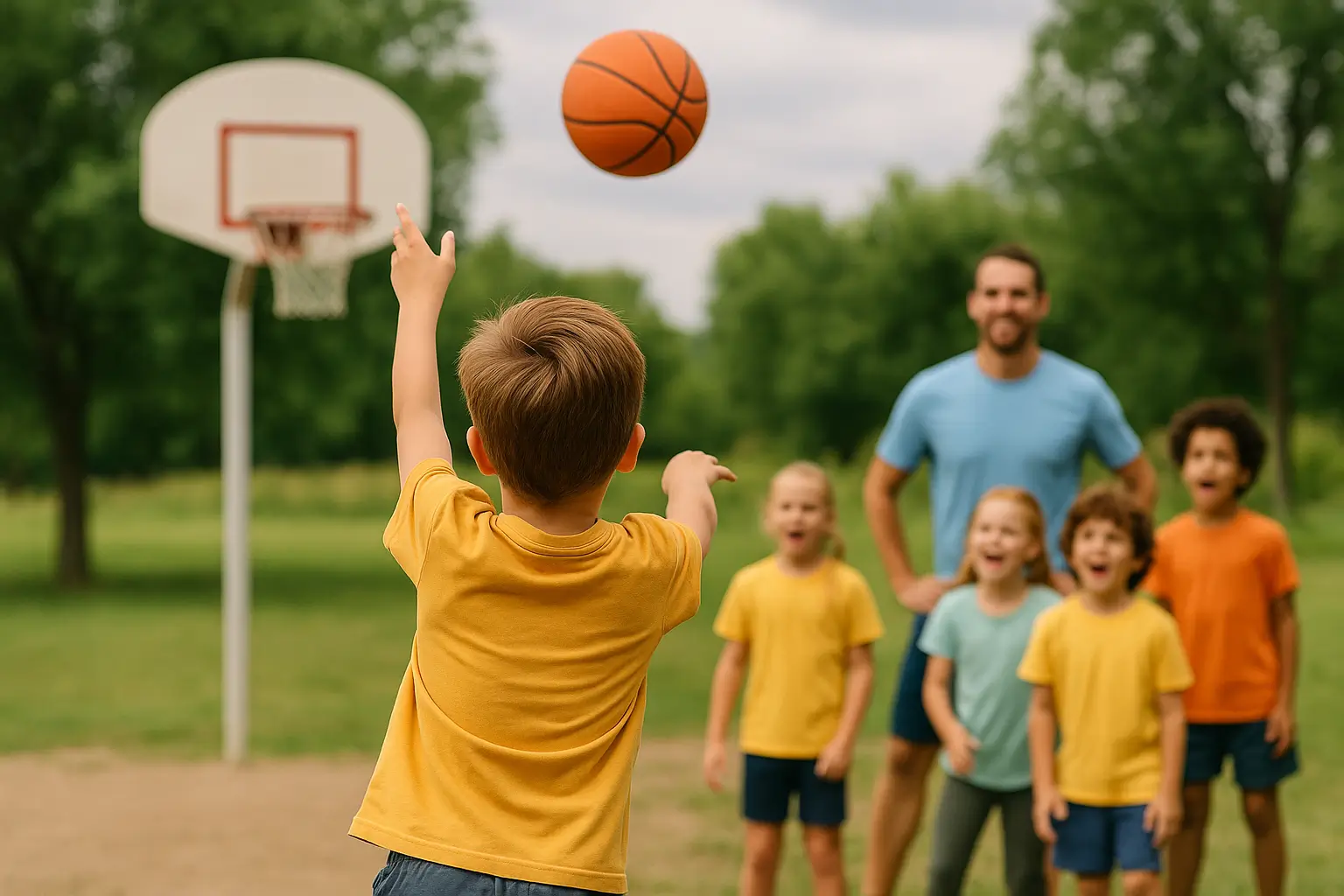
— Physical health and coordination — outdoor play, sports, and movement-based workshops strengthen motor skills and encourage healthy habits.
— Community awareness — local walks, mini-research about Lobnya’s history, and service projects foster belonging and civic responsibility.
Program Components to Include
— Age-based groups (e.g., 6–8, 9–11, 12–14) so activities match developmental stages.
— Themed weeks: STEAM, arts & crafts, nature & ecology, local history & culture, sports & movement.
— Project-based learning: multi-day projects (e.g., build a mini-garden, produce a short play, design a simple robot) that culminate in a showcase.
— Outdoor exploration: supervised nature walks in nearby parks, observational science, seasonal gardening.
— Creative studios: painting, sculpture, music-making, photography with a focus on process rather than perfection.
— STEM tinkering: hands-on experiments, coding basics, simple robotics using safe, child-friendly kits.
— Language and reading corners: story circles, creative writing, bilingual activities to support literacy and expression.
— Community ties: guest sessions with local artisans, librarians, sports instructors, and community leaders.
— Assessment and reflection: portfolios, badges, and brief weekly reflections that help children see progress.
Sample Weekly Rhythm
— Monday — Morning: Icebreakers + project kickoff. Afternoon: Outdoor exploration in a local park.
— Tuesday — Morning: Focused workshop (art or STEM). Afternoon: Free creative time with guided mentors.
— Wednesday — Morning: Skill-building sports or movement session. Afternoon: Group project work.
— Thursday — Morning: Local discovery (museum/library visit or community guest). Afternoon: Problem-solving games.
— Friday — Morning: Finalize projects. Afternoon: Showcase for families and community, plus celebration.
Ideas Tailored to Lobnya
— Nature journaling and ecological scavenger hunts in nearby green spaces.
— Local heritage mini-projects: simple research projects on Lobnya landmarks, then create maps, posters, or a short documentary.
— “Hobby market” day where kids present small crafts or creations — builds entrepreneurship and presentation skills.
— Seasonal gardening projects using balcony or community-planter spaces.
— Collaboration with local sports clubs for skill clinics (football, gymnastics, swimming if facilities allow).
Safety, Inclusion, and Staffing
— Ensure ratios of trained facilitators to children meet local guidelines; staff trained in first aid and child safeguarding.
— Provide inclusive activities that adapt for different abilities and learning styles.
— Simple safety rules for outdoor excursions and clear communication with parents about schedules, transport, and emergency procedures.
Measuring Success
— Child portfolios documenting projects, photos, and reflections.
— Short, friendly progress notes for parents highlighting social and skill gains.
— Weekly mini-showcases and a final presentation to build pride and public speaking.
— Parent and child feedback surveys to refine future programming.
Tips for Parents in Lobnya
— Choose a club that offers transparency about curriculum, staff credentials, and safety policies.
— Look for programs with a balance of structure and free play — both are essential.
— Encourage your child’s autonomy by involving them in activity choices and post-week reflection.
— Consider transportation logistics and nearby pick-up points; local libraries or community centers often partner as hubs.
Closing
A summer hobby club rooted in Lobnya’s character — its parks, neighbors, and cultural rhythms — can be a powerful engine for child development. With thoughtful planning, caring staff, and a mix of creativity and exploration, such a club turns summer days into lasting skills, friendships, and memories. If you’re organizing or choosing a program, focus on variety, safety, and meaningful projects that let every child shine.