Growing, Playing, and Learning: How a Summer Hobby Club in Lobnya Boosts Child Development
Summer hobby clubs are more than a way to pass warm afternoons — they’re micro-neighborhoods of learning that accelerate social, cognitive, and emotional growth. In Lobnya, a town with rich community life and green spaces, a well-designed summer club can turn a few weeks of activities into lasting skills and joyful memories.
Why a summer hobby club matters for child development
A carefully run club combines structure and freedom, giving children opportunities to:
— Improve social skills: teamwork, conflict resolution, and making new friends.
— Strengthen executive functions: planning, focus, and self-regulation through projects and routines.
— Boost creativity and problem-solving: hands-on arts, science, and maker activities.
— Build confidence: public performances, presentations, and completed projects.
— Promote physical health: outdoor play, sports, and movement-based learning.
*In short: the club is a compact, supportive environment where growth happens naturally through play and purposeful activity.*
What a balanced Lobnya summer hobby club should offer
A strong program mixes interests and developmental goals. Example activity strands:
— Arts & crafts: painting, clay modeling, textile crafts inspired by Russian folk motifs.
— Science & nature: mini-ecosystem projects, insect hunts, safe chemistry demos.
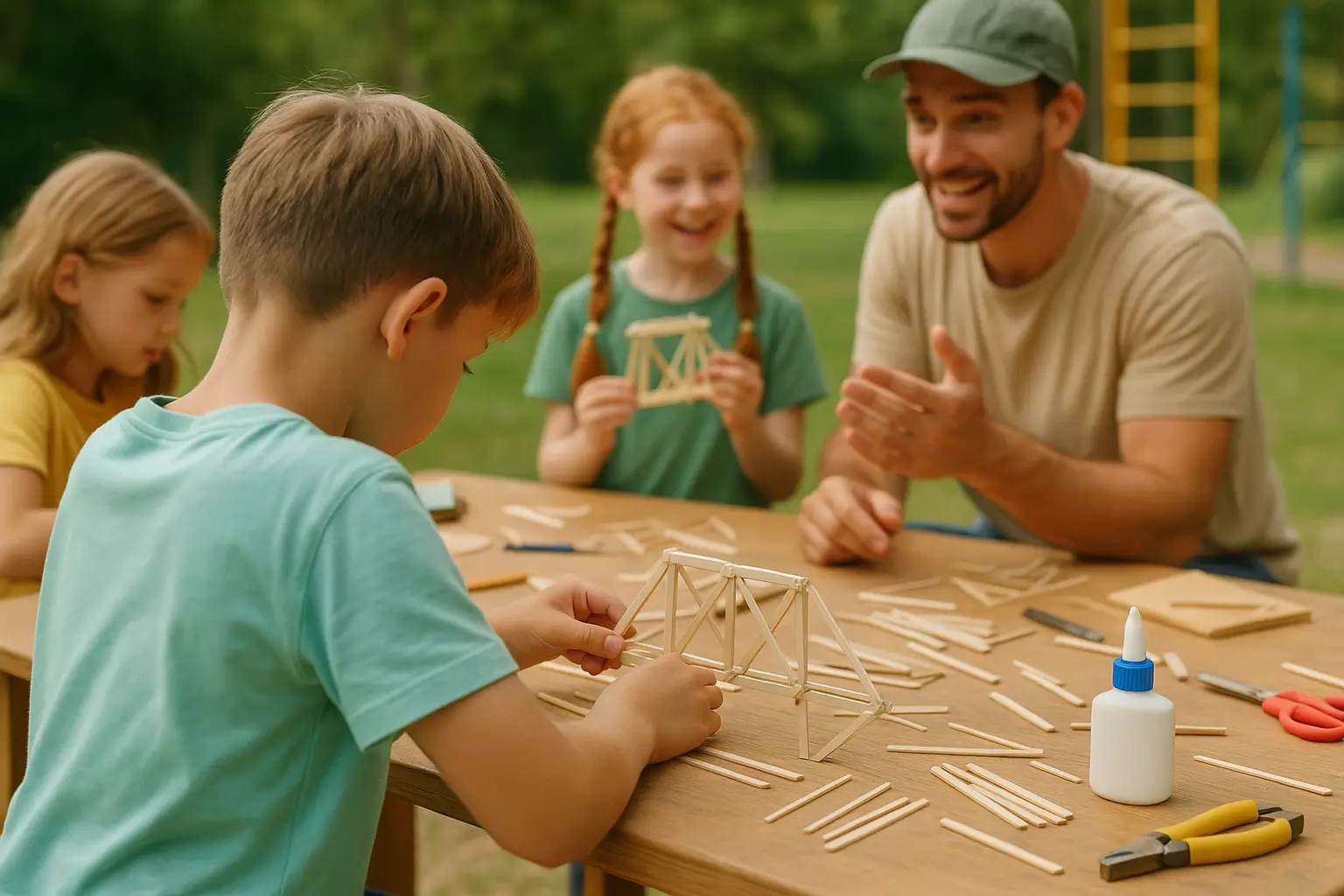
— Tech & makers: beginner robotics, coding games, simple electronics.
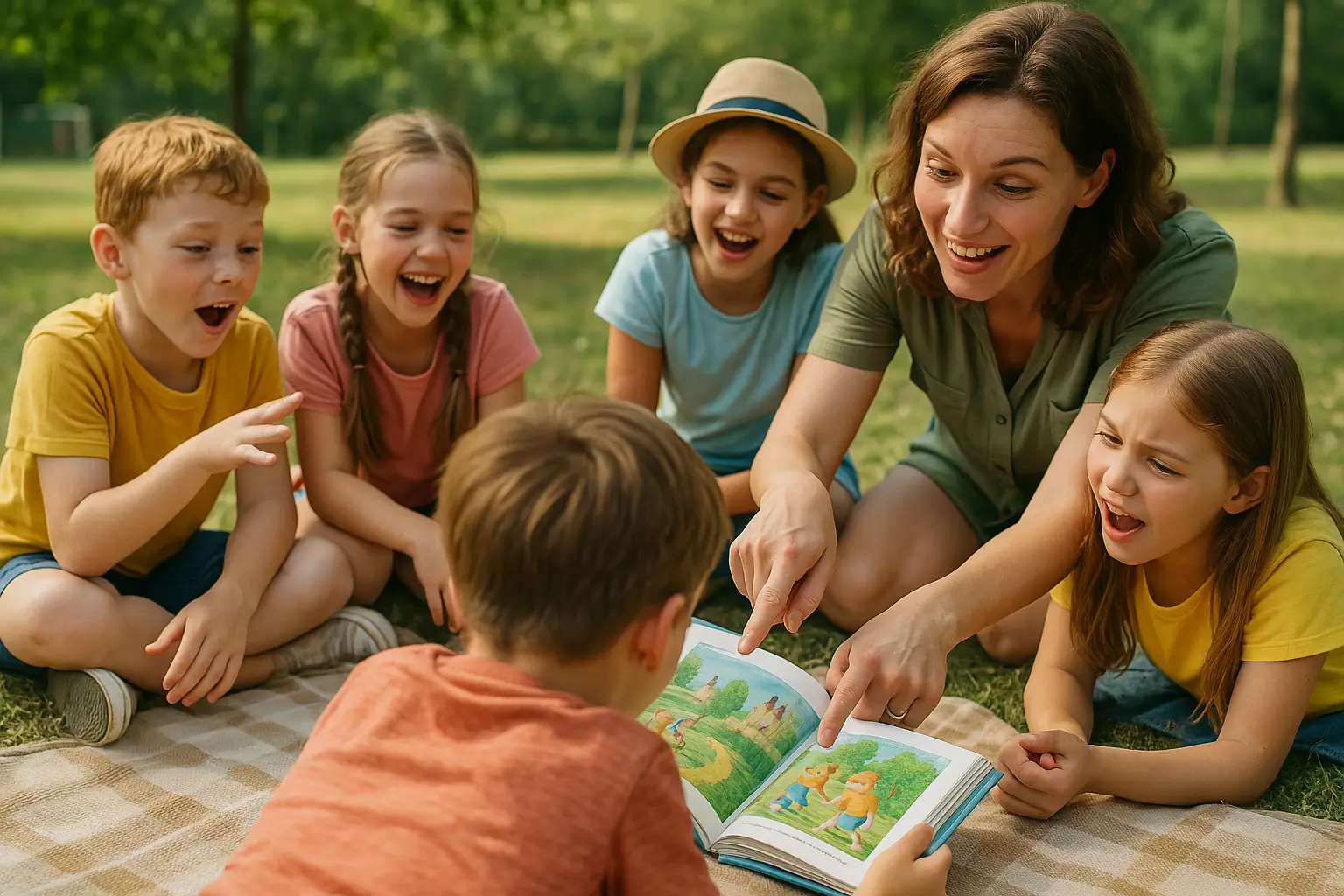
— Theater & music: storytelling, choir, puppet theater, summer plays.
— Sports & movement: team games, yoga for kids, athletics in local parks.
— Local history & civic engagement: visits to the Lobnya Historical Museum, community clean-ups, creative projects about the town.
Sample weekly structure (ages 7–12)
— Monday: Creative arts + free play
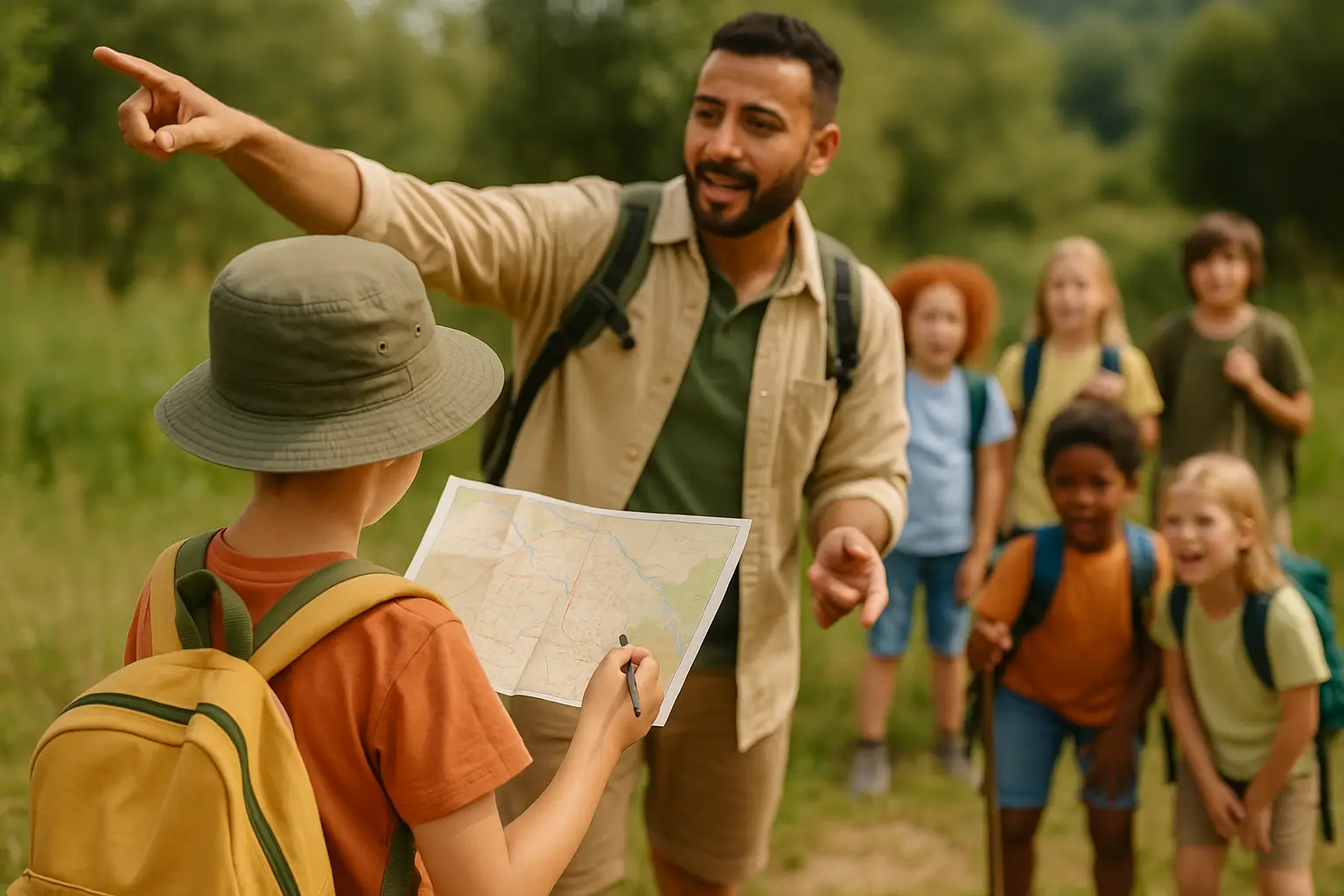
— Tuesday: Science lab + nature walk in Lobnya’s parks
— Wednesday: Sports & movement + reflective circle
— Thursday: Tech/makers + collaborative build
— Friday: Performance/showcase + family open day
Each day mixes active, creative, and quiet activities to maintain attention and energy balance.
Educational approach and pedagogy
— Project-based learning: children work toward tangible outcomes (a play, a model, an exhibit).
— Play-based and inquiry-led: questions and curiosity come first; facilitators guide exploration.
— Differentiated activities: tasks adapted by age and skill so all children feel challenged but supported.
— Reflection and celebration: daily debriefs and weekly showcases consolidate learning and boost self-esteem.
Safety, staffing, and credentials
— Trained facilitators: early childhood educators, youth leaders, local teachers familiar with Lobnya families.
— First aid and emergency plans: at least one certified first-aid responder on site; clear pick-up protocols.
— Healthy ratios: recommended 1:8–1:12 for school-age groups depending on activity intensity.
— Safe spaces: childproofed indoor rooms and supervised outdoor areas (nearby parks or schoolyards).
Practical info for Lobnya families
— Age groups: typically 5–7, 8–10, 11–14
— Hours: half-day (morning) or full-day options; flexible weeks to accommodate family schedules.
— Location ideas: community centers, schools, libraries, or outdoor bases near Lobnya’s central parks and green belts.
— Fees: sliding scale or sibling discounts encourage access; check for municipal subsidies or local sponsorships.
— Registration: early registration recommended; emergency contact and medical forms required.
Tips for parents to maximize the experience
— Pack light: water bottle, hat, comfortable shoes, and a change of clothes.
— Encourage independence: let children manage their small tasks (zippers, snack containers).
— Talk about goals: ask what they want to try and celebrate small achievements.
— Stay involved: attend open days or performances to reinforce community connection.
Connecting club activities to Lobnya’s community
— Partnerships: local librarians, museum staff, and sports coaches can enrich programs.
— Community projects: create a Lobnya-themed mural, a children’s walking tour, or a park stewardship day.
— Showcase local culture: integrate stories, crafts, and history from Lobnya and the wider Moscow region.
Measuring success
— Portfolio of work: photos, sketches, and short recordings that track progress.
— Child reflections: simple weekly prompts where children note what they learned or enjoyed.
— Parent feedback: short surveys after each session to align programming with family expectations.
Final note
A summer hobby club in Lobnya can be a cornerstone of a child’s growth — intellectually, socially, and emotionally. With intentional activities, qualified staff, and strong community ties, summer becomes a season of discovery rather than just downtime. If you’re organizing or choosing a club, look for balanced programming, safety, and opportunities for children to *lead* and *create* — that’s where lasting development happens.
— Interested in starting a club or finding local options in Lobnya? Reach out to community centers, schools, or the Lobnya municipal youth services to learn about openings and partnerships.