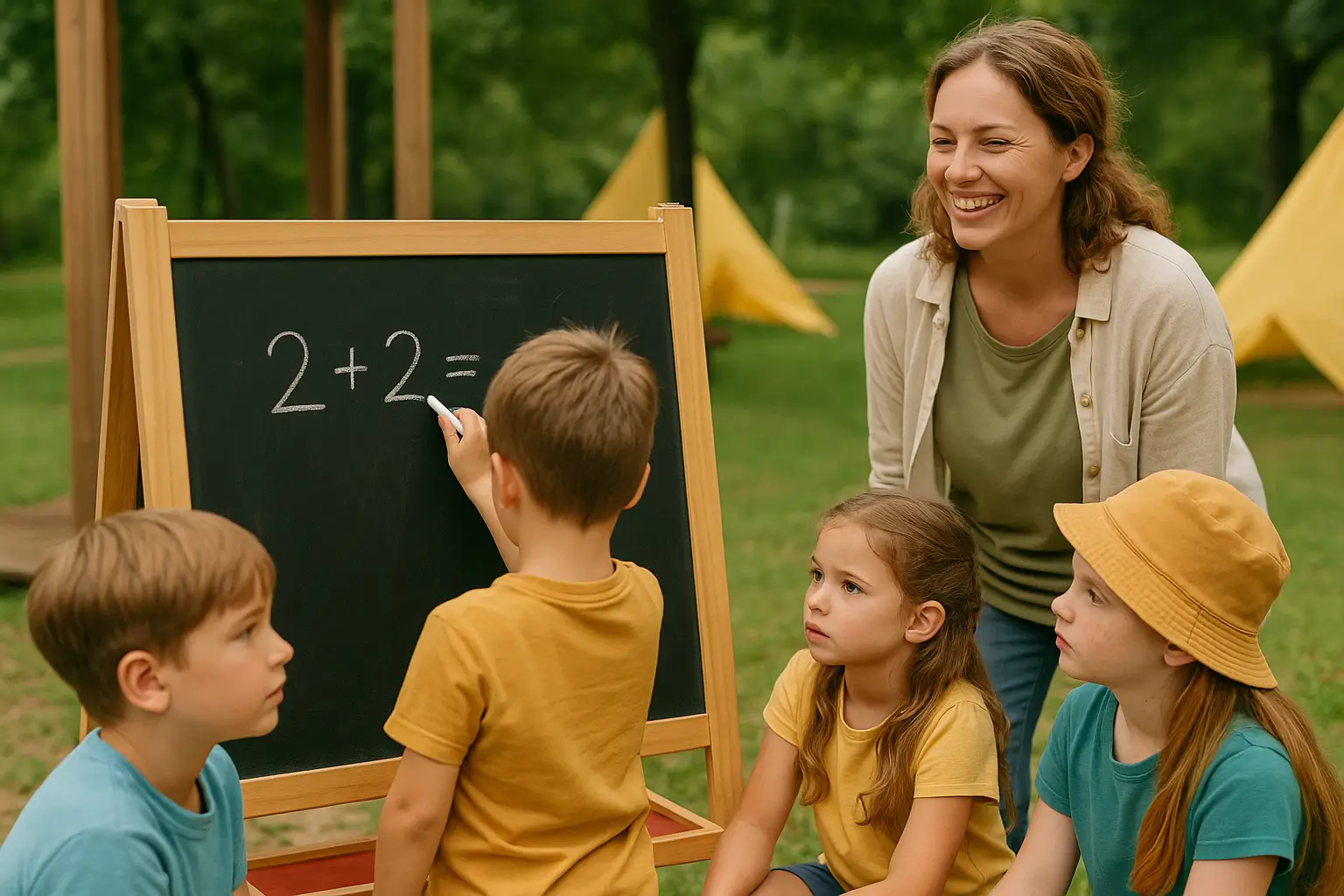
Growing Summers: Child Development and Education in Lobnya’s Summer Hobby Club
Summer hobby clubs are more than a way to fill school holidays — they are powerful, playful engines of child development. In Lobnya, a summer club that blends hands-on hobbies, local culture and safe outdoor time can give children lasting cognitive, social and emotional benefits while strengthening community ties.
Why a summer hobby club matters for child development
— *Active learning beats passive screen time:* Practical projects and physical play build attention, persistence and problem-solving.
— *Social skills develop naturally:* Small-group activities teach cooperation, conflict resolution and leadership.
— *Real-world context deepens understanding:* Hobbies connect abstract school concepts (math, science, language) to tangible outcomes.
— *Emotional growth:* Successes and safe failures during projects boost self-esteem and resilience.
Core developmental areas a Lobnya club can target
— Cognitive and academic skills
— Project planning, basic measurement, experiments, storytelling and vocabulary.
— Creativity and expression
— Arts and crafts, music, drama, photography, creative writing inspired by local surroundings.
— Social and communication skills
— Team projects, buddy systems, presentation days and peer feedback.
— Physical development and wellbeing
— Outdoor games, nature walks in local parks, simple sports and fine-motor craft work.
— Practical life skills
— Gardening, cooking workshops, basic tool use, and responsible pet care.
— Emotional and self-regulation skills
— Mindfulness moments, emotional check-ins, problem-solving circles.
Sample weekly program (ages 7–12)
— Monday — Makers’ Workshop: DIY projects (birdhouses, simple robotics, sewing basics)
— Tuesday — Nature & Science: Bug hunts, local flora identification, mini-experiments
— Wednesday — Creative Studio: Painting, collage, drama games and storytelling
— Thursday — Community & Life Skills: Cooking classes, gardening, visits from local artisans
— Friday — Showcase & Play: Presentations, games, and a small market or exhibition for families
*Each day includes a warm-up, skill-focused session, free-choice hobby time and a reflective closing.*
Age-group approaches
— Ages 5–7: Short, sensory-rich activities; strong adult support; lots of play and guided discovery.
— Ages 8–11: Project-based learning, peer collaboration, gradual responsibility for materials and time.
— Ages 12–15: Skill mastery, leadership roles, community projects and opportunities to mentor younger children.
Making the club uniquely Lobnya
— Use local green spaces and parks for nature activities and play.
— Invite Lobnya artisans, librarians or sports coaches to lead workshops — this builds community and showcases local careers.
— Incorporate regional stories, seasonal traditions and local history into creative projects.
— Plan affordable excursions to nearby cultural sites or community events to widen horizons without long travel.
Inclusivity and safety
— Keep groups small and flexible to accommodate different learning styles and energy levels.
— Include quiet spaces and sensory-friendly options for neurodiverse children.
— Follow clear safety protocols: registration, emergency contacts, allergy plans and first-aid-trained staff.
— Communicate daily plans and any changes to parents through a simple channel (messaging app, email or bulletin).
Measuring impact and giving feedback
— Use simple, friendly tools: weekly skill badges, photo journals, short parent surveys and child reflection circles.
— Celebrate both effort and outcome — show progress through displays, mini-exhibitions or a digital scrapbook.
— Invite parents to occasional open days so children can demonstrate projects and social growth.
Tips for organizers
— Plan material lists and backups; reuse and recycle craft materials to stay budget-conscious.
— Train staff in positive behavior guidance and basic child development principles.
— Build partnerships with local schools, libraries and community centers to share space and publicity.
— Offer flexible attendance options (half-days, morning sessions) to fit family needs.
Advice for parents
— Encourage curiosity at home: ask open questions about club projects and offer to help when invited.
— Reinforce routines: consistent sleep, hydration and healthy snacks help children get the most from activities.
— Value process over perfection: praise effort, problem-solving and teamwork rather than just final products.
Conclusion
A thoughtfully run summer hobby club in Lobnya can be a summer of transformation — cultivating skills, friendships and confidence that last well beyond the season. By mixing hands-on learning, community connections and safe outdoor play, the club becomes a nurturing place where children discover interests, build abilities and contribute to their town.
Ready to start? Connect with local schools, community centers or parents’ groups to pilot a summer hobby program and let Lobnya’s children grow through play and purposeful projects.