Summer Hobby Club in Lobnya: Growing Curious, Confident Kids
Summer in Lobnya is the perfect time for children to explore new interests, make friends, and build skills outside the classroom. A well-designed neighborhood hobby club blends play and structure to support physical, social, emotional, and cognitive development — all while keeping kids engaged and safe.
Below is a practical guide for parents considering a summer hobby club for kids in Lobnya: what to expect, how it supports development, sample activities, safety and logistics, and tips for choosing the right program.
Why a summer hobby club matters for child development
A summer hobby club does more than occupy free time. It offers targeted opportunities that support key developmental domains:
— Cognitive development: hands-on projects (science kits, puzzles, coding basics) stimulate problem-solving, persistence, and curiosity.
— Social skills: group activities and cooperative tasks build communication, teamwork, conflict resolution, and empathy.
— Creativity and self-expression: arts, drama, and music let children experiment and express identity in a low-pressure setting.
— Motor and sensory skills: sports, dance, crafts, and outdoor play improve coordination and body awareness.
— Emotional resilience: achievable challenges and friendly feedback teach frustration tolerance and confidence.
— Practical life skills: time management, responsibility (clean-up, material care), and basic project planning.
*In short: a hobby club turns summer downtime into purposeful growth.*
What a well-run Lobnya summer hobby club looks like
— Age groups: separated into appropriate cohorts (e.g., 6–8, 9–11, 12–14) so activities match developmental needs.
— Balanced daily schedule:
— Morning: active, outdoor or physical activities to expend energy (sports, nature walks).
— Midday: quieter, skill-building sessions (arts & crafts, STEM challenges).
— Afternoon: creative electives and cooperative projects, plus free-choice time.
— Weekly themes: a rotating focus keeps interest high (e.g., “Nature & Ecology,” “Mini Makers & Robotics,” “Creative Arts Week,” “Sports & Games”).
— Project showcase: a small exhibition or performance at the end of each week or session so children celebrate achievements and practice public speaking.
— Community connections: occasional local field trips (park cleanup, library visit, community center collaboration) to strengthen civic pride and local awareness.
Sample activities tailored to Lobnya kids
— Nature discovery walks in local green spaces — observation journals and simple ecology experiments.
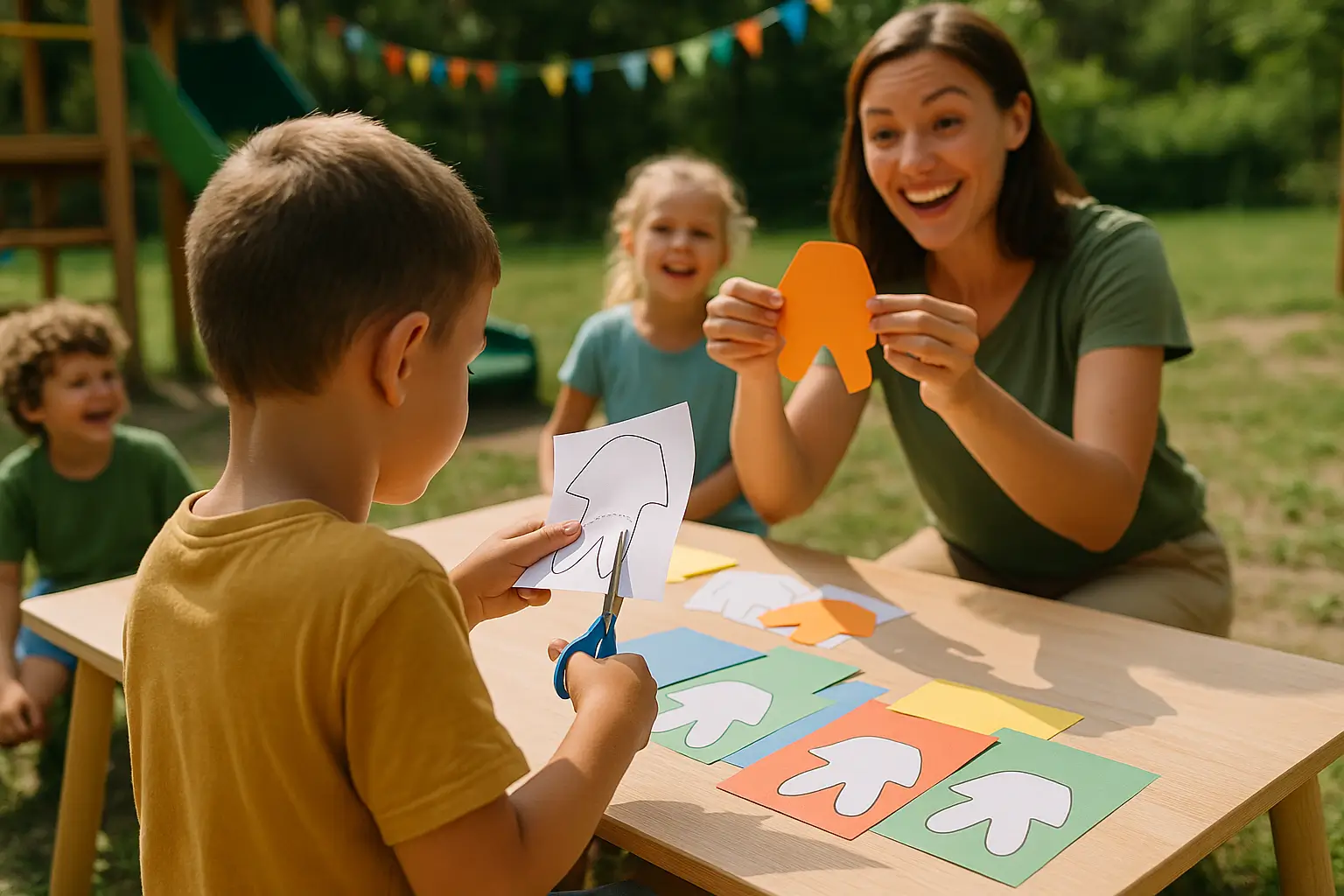
— Arts & crafts using inexpensive, recycled materials — fosters creativity and environmental care.
— Beginner robotics and coding using age-appropriate kits — builds logical thinking and collaboration.
— Theatre and storytelling workshops — confidence in speaking and imaginative play.
— Mini-sports tournaments and dance sessions — teamwork, motor skills, and healthy competition.
— Science afternoons — safe, supervised experiments that spark wonder (volcano models, simple circuits).
— Local history & culture projects — learning about home town identity through maps, photos, and family stories.
Safety, staffing, and logistics — what to ask
Before enrolling, verify these essentials:
— Staff qualifications: educators, coaches, or volunteers with child-care experience and background checks.
— Ratios and supervision: clear adult-to-child ratios and a plan for drop-off/pick-up.
— Health and first aid: on-site first-aid trained staff, medication rules, and allergy policies.
— Program licensing or municipal partnership: affiliations with local community centers or schools generally indicate reliability.
— Clear daily schedule and emergency procedures.
— Transparent fees, refunds, and make-up arrangements for bad weather.
How to pick the right club for your child
— Start with your child’s interests — choose a club that offers both structured learning and freedom to explore.
— Visit before committing — observe a session to see interactions, engagement, and safety in action.
— Ask about progression — does the club offer longer-term projects so kids see growth over weeks?
— Check references or parent reviews — local Facebook groups and community forums in Lobnya can be useful.
— Flexibility: programs that allow partial weeks or single-day trials help families test-fit schedules.
Typical session plans and timelines
— Short sessions: 1–2 hours — great for younger children or busy family schedules.
— Half-day: 4 hours — balanced activities with snack/break time.
— Full-day: 6–8 hours — includes lunch, varied activities, and more in-depth projects.
— Multi-week camps: typically run during June–August, with weekly themes and a final showcase.
Cost considerations and accessibility
— Costs vary by program scope, materials, staffing, and location. Many municipal clubs and community centers offer subsidized places or sliding-scale fees.
— Look for sponsorships, local business partnerships, or municipal youth services that may reduce costs for Lobnya families.
Real benefits parents notice
— Improved concentration and homework habits after engaging summer routines.
— New friendships and better social confidence at school in autumn.
— Greater willingness to try unfamiliar activities and persevere through challenges.
— Tangible projects and keepsakes that show progress and boost pride.
Quick checklist before you enroll
— Confirm age group and session dates.
— Review staff credentials and child-to-staff ratios.
— Verify health and emergency policies.
— Ask about supervision during off-site trips.
— Check what items your child should bring (hat, water bottle, snack, craft clothes).
— Request a sample daily schedule and program goals.
Get involved — how parents can support
— Volunteer time for crafts, reading, or supervising — helps reduce costs and strengthens community ties.
— Share skills: lead a one-off session on a hobby or craft you love.
— Encourage reflection: ask your child to share a project or story each day to reinforce learning.
Final thought
A thoughtfully run summer hobby club in Lobnya gives children more than just fun — it builds skills, friendships, and confidence they’ll carry into the school year. Choose a program that balances safety, skilled staff, and a variety of activities, and your child will return from summer break happier, more capable, and inspired.
For local options, check Lobnya’s community center bulletin, school summer programs, or municipal youth services — and consider visiting sessions to find the best match for your child.