Growing and Learning: Summer Hobby Clubs for Kids in Lobnya
Summer hobby clubs are more than a way to keep children busy — they are an opportunity for meaningful development, hands-on learning, and community connection. In Lobnya, where families appreciate both the quiet of suburban life and easy access to Moscow’s cultural resources, well-designed summer programs help children build skills that last the school year and beyond.
Why summer hobby clubs matter for child development
Summer clubs combine play and purpose. Key developmental benefits include:
— *Social-emotional growth*: teamwork, empathy, conflict resolution and confidence from group projects and performances.
— *Cognitive stimulation*: problem solving, planning and curiosity through experiments, coding, and maker activities.
— *Fine and gross motor development*: arts and sports build coordination and healthy habits.
— *Creativity and self-expression*: art, music, drama and storytelling encourage original thinking.
— *Resilience and independence*: completing multi-day projects and taking small leadership roles fosters agency.
Typical activities you’ll find in Lobnya clubs
Local clubs often use community halls, parks and school gyms to offer a varied program. Popular options:
— Nature walks and ecology projects (local green spaces, birdwatching, simple field ecology)
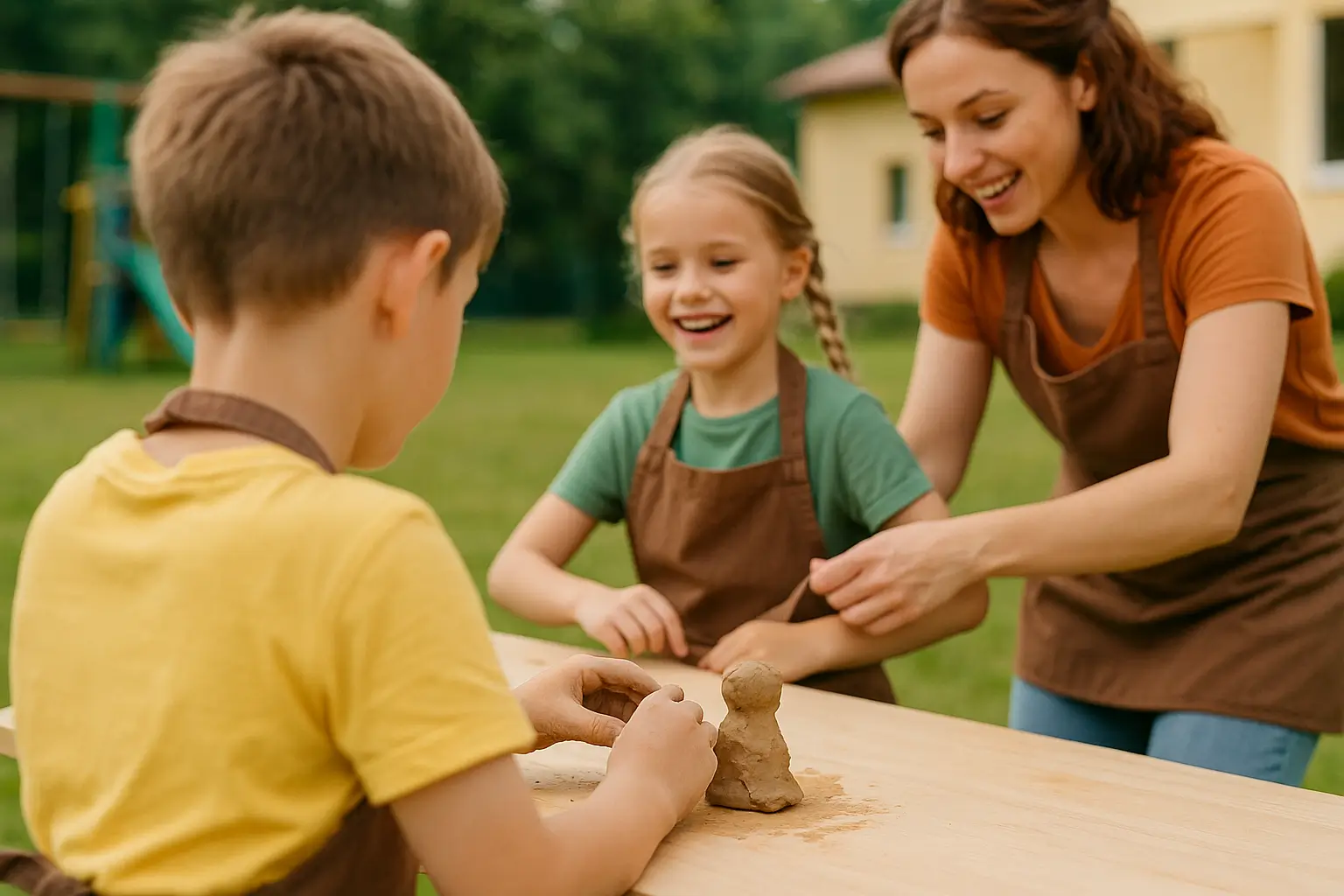
— Arts and crafts — painting, sculpture, seasonal crafts
— Robotics and beginner programming — hands-on kits and problem-based tasks
— Drama, storytelling and music ensembles — small productions or open-mic sessions
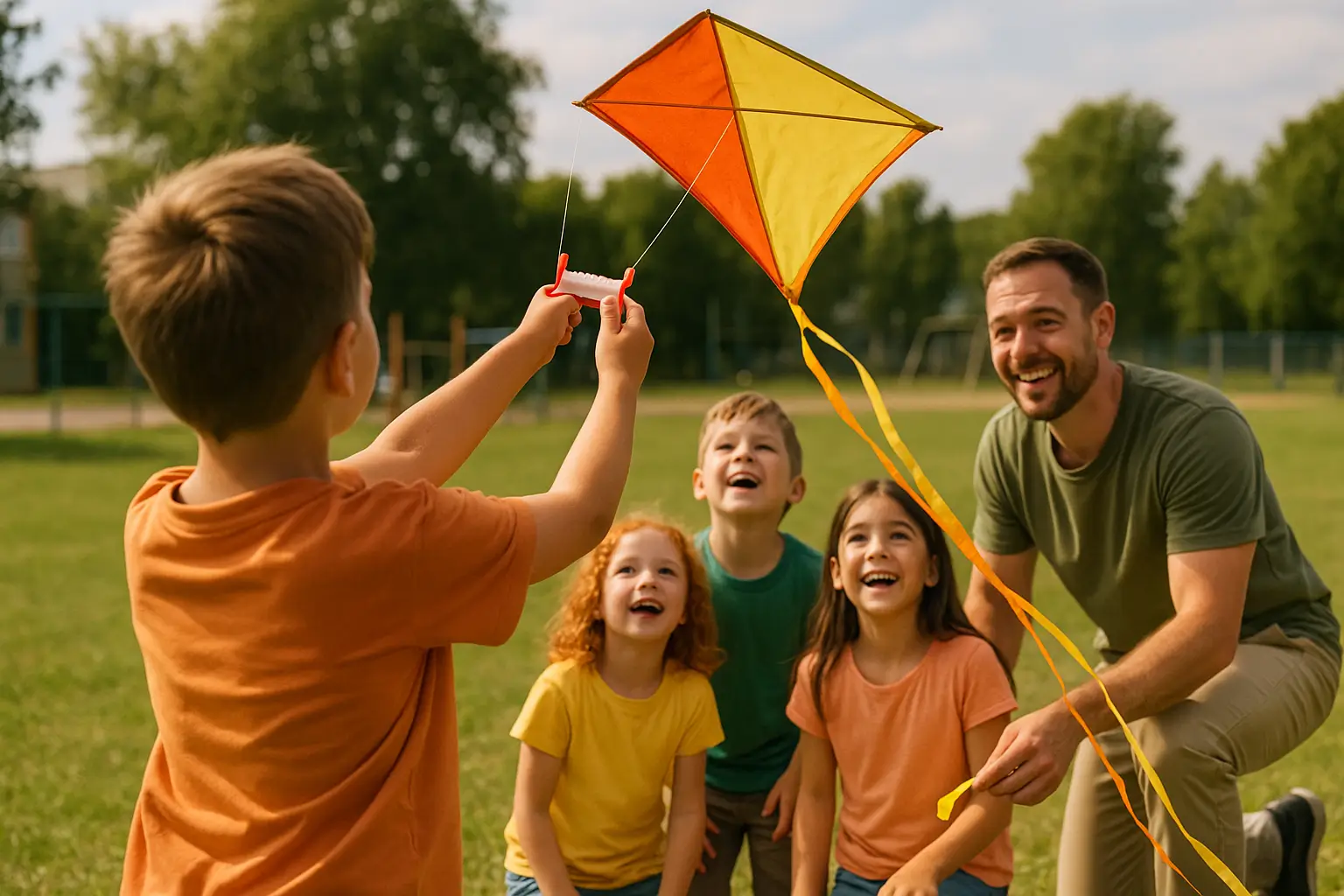
— Sports clubs — football, gymnastics, or general movement games
— Gardening and small-scale agriculture — learning growth cycles and responsibility
— Language and cultural workshops — reading circles, local history projects
How clubs support school readiness and informal learning
Well-structured hobby clubs complement formal education by using project-based learning:
— Clear goals and mini-projects teach planning and follow-through.
— Mixed-age groups encourage peer teaching—older kids solidify knowledge by mentoring.
— Reflection time (sharing shows or portfolios) promotes metacognition: children learn to talk about what they did and why it mattered.
Sample weekly schedule (ages 6–12)
— Monday: Morning — team-building games; Afternoon — arts & crafts project start
— Tuesday: Morning — nature exploration / science activity; Afternoon — sports or movement session
— Wednesday: Morning — STEM workshop (robots, simple circuits); Afternoon — free-choice maker time
— Thursday: Morning — rehearsal for Friday showcase; Afternoon — community service / gardening
— Friday: Morning — final touches on projects; Afternoon — mini-exhibition for parents and awards
(Teen programs typically include deeper project phases, leadership roles, and field trips.)
Safety, staffing and logistics — what to expect
Choose programs that clearly communicate:
— Staff background: experience in education, training in child development, and completed background checks.
— Ratios and supervision: age-appropriate child-to-staff ratios and clear arrival/departure procedures.
— Health and safety: first aid trained staff, sun-protection policies, and allergy/medication protocols.
— Transport and meals: whether transport is provided, lunch/snack arrangements, and policy on packed food.
How to choose the right club for your child
Ask these questions:
— What are the daily routines and how flexible are they?
— How are children grouped (age, skill level, interests)?
— What qualifications do instructors have?
— How is progress shared with parents (photos, newsletters, final showcase)?
— What is the cost and refund policy?
Preparing your child
Simple preparations help children get the most out of their week:
— Pack labelled sunhat, water bottle, and comfortable clothes.
— Practice short responsibilities at home (packing a small kit, checking a timetable).
— Discuss expectations: daily drop-off times, behavior basics, and how to ask for help.
Measuring progress: outcomes you’ll notice
Summer clubs produce visible and subtle gains:
— Completed projects and portfolios that show skill progression.
— Improved social skills: easier group participation, more confidence with peers.
— New interests: children often discover hobbies they continue during the year.
Finding and registering for clubs in Lobnya
Look for programs through:
— Local community centers and school summer programs
— Municipal cultural and sports departments’ announcements
— Parenting groups and social media pages for Lobnya families
— Local libraries, youth centers and private hobby studios
Register early — popular programs fill quickly. Attend open days or info sessions if available.
Final note
A thoughtfully run summer hobby club can be a bridge between vacation and continued learning: a place where children in Lobnya make friends, develop skills, and explore new passions in a safe, supportive community. If you’re choosing a program this season, prioritize staff quality, clear routines, and opportunities for creative, hands-on learning — and enjoy watching your child return home proud of what they accomplished.