Summer Hobby Club in Lobnya: Growing Skills, Confidence and Curiosity in Every Child
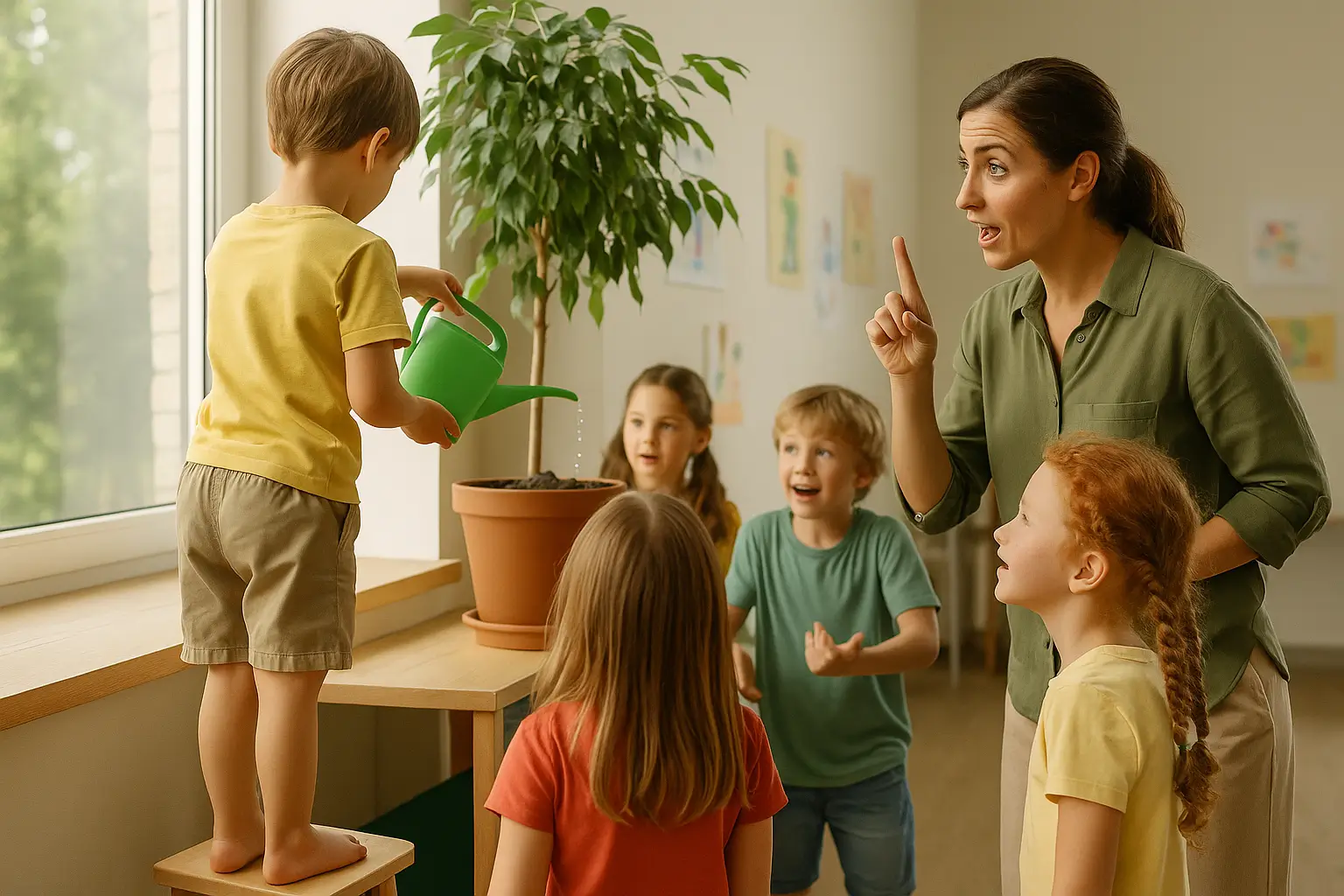
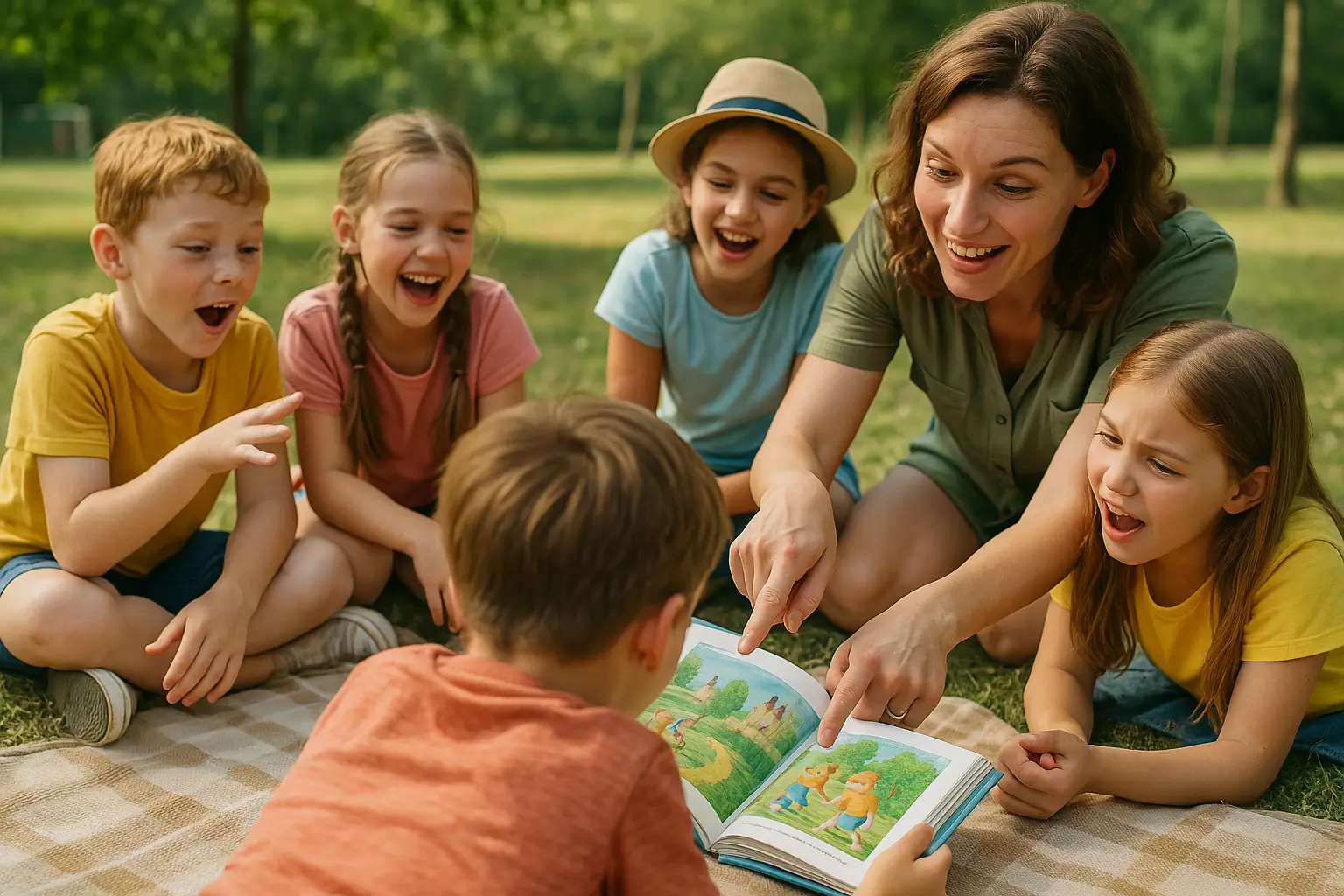
Summer hobby clubs offer more than fun and supervision — they’re rich environments for child development and informal education. In Lobnya, a well-designed local club can leverage nearby green spaces, community resources and family networks to create meaningful learning experiences that last well beyond summer.
Why a summer hobby club matters for child development
— *Holistic growth*: Combines cognitive, social-emotional, physical and creative development through hands-on activities.
— *Informal learning*: Encourages exploration and intrinsic motivation rather than formal classroom pressure.
— *Continuity and transition*: Bridges the gap between school years, reducing summer learning loss and easing transitions back to class routines.
— *Community belonging*: Strengthens ties among children, families and local institutions in Lobnya, promoting civic awareness and local pride.
Core principles for a Lobnya club
— Child-centered and interest-led: Activities respond to what children are curious about — from robotics to nature crafts.
— Playful and project-based: Use mini-projects that culminate in tangible results (exhibits, performances, science demos).
— Inclusive and developmentally appropriate: Offer differentiated activities by age and ability.
— Safe, supervised, and structured: Predictable daily rhythm with clear routines and safety measures.
Suggested age groups and typical week structure
— Age groups: 6–8, 9–11, 12–15 (adjust based on demand).
— Typical day (sample):
— Morning circle / warm-up (20–30 min): welcome, theme introduction.
— Active/outdoor play (45–60 min): parks, nature walks, team games.
— Skill workshop (60–90 min): themed session (science, arts, coding).
— Lunch and quiet time / reading (45–60 min).
— Project work or clubs (60–90 min): small-group projects, guest workshops.
— Showcase / reflection & pick-up (20–30 min): children share progress.
— Weekly themes can rotate: Nature & Ecology, Creative Arts, STEM & Robotics, Local History & Culture, Sports & Wellness.
Activity ideas tailored to Lobnya
— Nature explorers: Forest walks in local green spaces, bug surveys, leaf pressing and journaling.
— Local history projects: Storytelling sessions and family interview assignments to document community memories.
— Mini eco-projects: Hands-on recycling workshops, building birdhouses, or planting pollinator gardens.
— Arts & crafts: Textile workshops, plein air painting, or traditional crafts inspired by Russian folk motifs.
— STEM labs: Simple robotics using kits, coding basics, or physics playground experiments.
— Performance & communication: Puppet theatres, short plays, or a summer talent show for confidence-building.
— Sports & movement: Local park games, beginner orienteering and group fitness challenges.
Partnerships and resources
— Partner with local libraries, schools, cultural centers and volunteer groups to access space, books and guest instructors.
— Invite local experts — artists, educators, athletes — for one-off masterclasses.
— Use municipal parks and community spaces for outdoor sessions to keep costs lower and strengthen neighborhood connections.
Safety, staffing and logistics
— Ratios: Maintain appropriate adult-to-child ratios (younger groups need more supervision).
— Staff training: First aid, child safeguarding, behavior management, and emergency procedures.
— Permissions & communication: Collect medical information, parental consents, and share daily schedules and incident policies.
— Facilities: Secure storage for materials, shaded outdoor areas, and clean restroom access.
Measuring outcomes and communicating with parents
— Focus on formative indicators: enthusiasm, collaboration, problem-solving, and creative risk-taking.
— Small portfolios: Photos, project artifacts, short teacher notes and child self-reflections collected weekly.
— End-of-summer showcase: Invite families for a presentation or exhibition of projects.
— Regular updates: Weekly newsletters or a messaging group to share highlights and practical reminders.
Tips for organizers in Lobnya
— Start local and scale: Pilot one two-week session, then expand based on demand and feedback.
— Keep costs manageable: Mix free outdoor activities with a few paid specialist workshops.
— Be flexible with weather: Have indoor backup plans for crafts and STEM challenges.
— Encourage family involvement: Parent-volunteer days, family project nights or community clean-ups.
— Promote widely: Posters at schools and shops, social media for Lobnya residents, and word-of-mouth via parent networks.
Final thought
A summer hobby club in Lobnya can be a powerful engine for child development: it nurtures curiosity, builds practical skills, strengthens social ties and introduces children to lifelong hobbies. By combining local resources, thoughtful programming and clear communication with families, such a club can become a meaningful summer tradition that benefits children and the whole community.