Introduction
Summer hobby clubs offer more than just fun ways to fill long days — they are powerful engines of child development. In Lobnya (Moscow Oblast), local summer programs can combine safe outdoor play, creative workshops and community connection to give children new skills, confidence and friendships that last far beyond August.
Why summer hobby clubs matter for child development
— *Holistic growth*: Clubs address cognitive, social, emotional and physical development through structured but playful activities.
— *Skill-building through interest*: When children pursue hobbies they enjoy (robotics, theatre, crafts, sports), learning becomes deeper and more self-motivated.
— *Social competence*: Working in small groups teaches communication, cooperation, conflict resolution and leadership.
— *Resilience and independence*: New tasks and mild risk-taking in supervised settings help children develop grit and self-efficacy.
— *Community belonging*: Local clubs connect kids to Lobnya’s neighborhoods, cultures and civic life, strengthening ties between families.
Designing an effective Lobnya summer hobby club
Consider these design principles to make a club both enjoyable and developmentally rich:
— Age grouping and ratios
— 5–7 years: small groups, high adult-to-child ratio (1:6–1:8). Focus on play-based learning.
— 8–11 years: exploratory projects, basic skill instruction (1:8–1:12).
— 12–15 years: project-based learning, leadership roles, peer mentoring (1:10–1:15).
— Daily structure (predictable but flexible)
— Morning: arrival, warm-up games, focused skill session.
— Midday: creative workshops or sport activities.
— Afternoon: nature walks, free-choice hobby time, reflection.
— Always include snack/quiet/rest periods and clear transition cues.
— Safety and staffing
— Trained educators, coaches or volunteers with background checks.
— First-aid certified staff and clear emergency procedures.
— Heat-safety, hydration and sun-protection plans for outdoor days.
— Inclusivity
— Adapt activities for different abilities, languages and cultural backgrounds.
— Offer mixed-ability pairing and options for quieter or more active engagement.
Activity ideas tied to development goals
— Creative arts (drawing, sewing, folk crafts)
— Goal: fine motor skills, cultural knowledge, self-expression.
— STEM makers (robotics kits, basic coding, simple engineering)
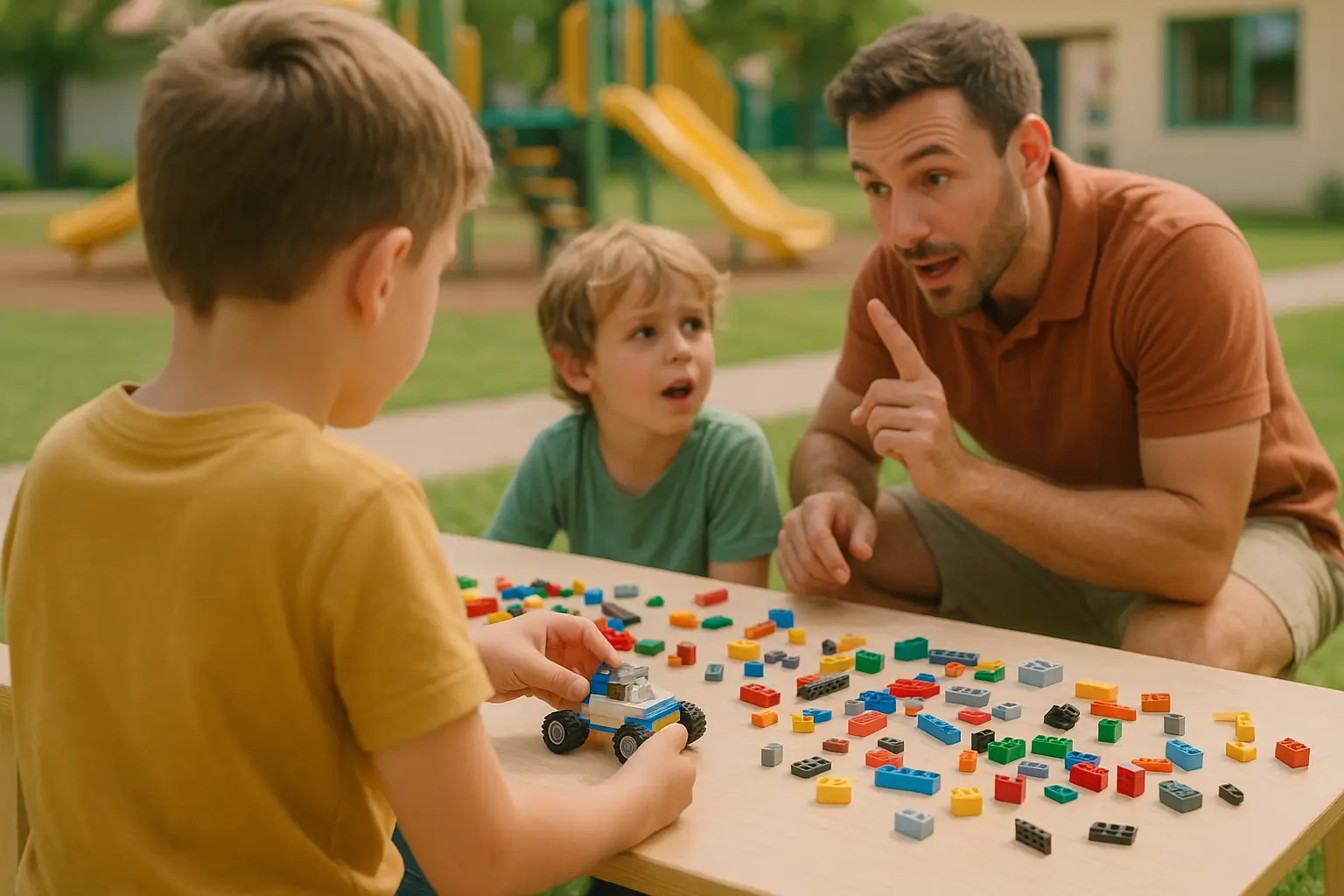
— Goal: logical thinking, problem-solving, perseverance.
— Outdoor nature club (birdwatching, plant ID, community gardening)
— Goal: observational skills, environmental stewardship, gross motor development.
— Performance arts (drama, choir, storytelling)
— Goal: confidence, memory, public speaking.
— Sports and movement (soccer, swimming, dance)
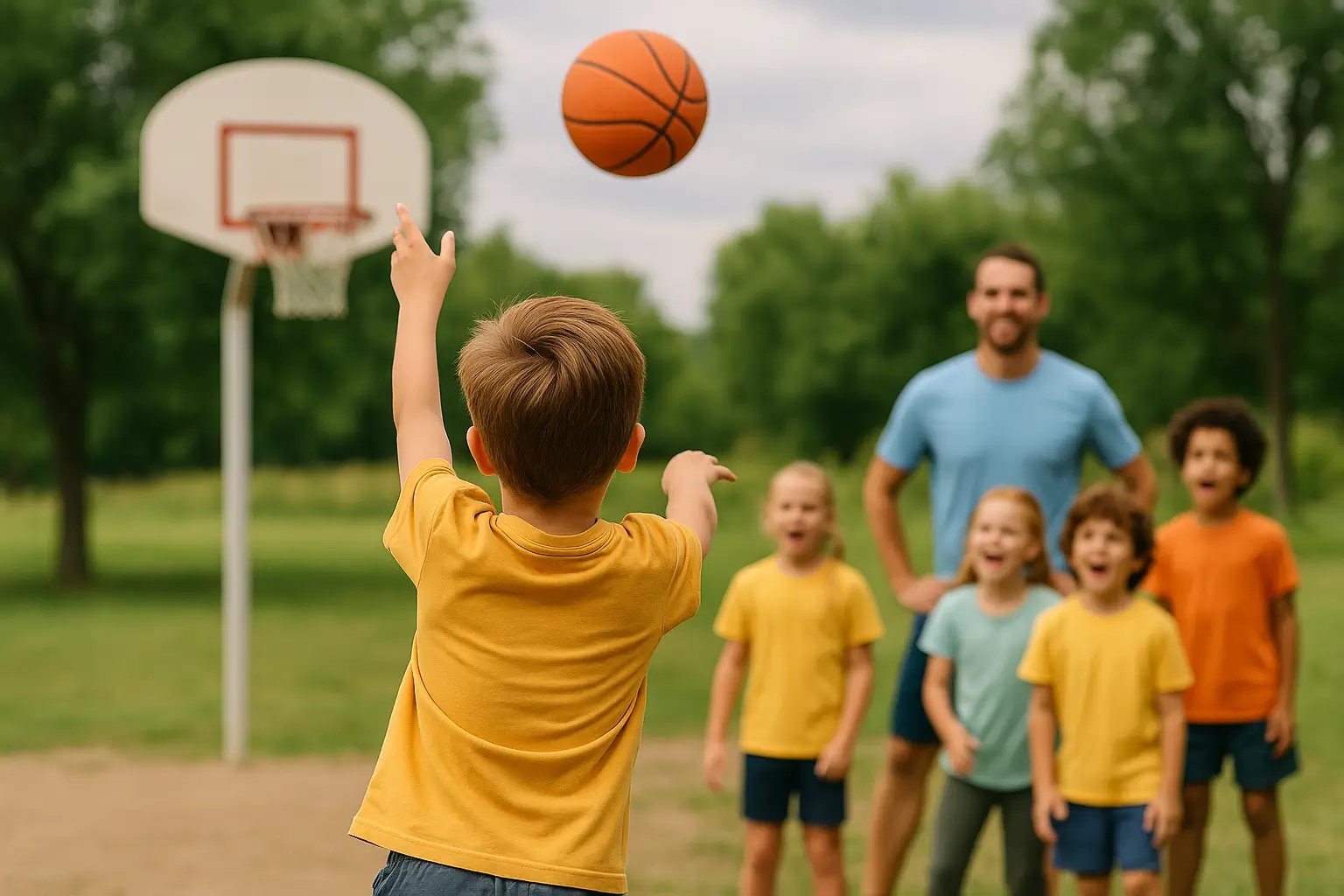
— Goal: coordination, teamwork, health habits.
— Languages and reading circles (creative writing, book clubs)
— Goal: literacy, vocabulary, empathy through stories.
— Community projects (mini clean-ups, charity drives, exhibitions)
— Goal: civic responsibility, planning, collaboration.
Sample weekly theme schedule
Week theme: “Create & Care”
— Monday: Introduction, team-building games, craft project planning.
— Tuesday: Skill workshop (painting or woodworking basics).
— Wednesday: Outdoor exploration & garden planting.
— Thursday: Project work and guest talk (local artist or librarian).
— Friday: Presentation day + reflection circle + family invite.
Practical tips for Lobnya parents
— Register early — popular spots fill fast. Check municipal announcements and local schools for schedules.
— Bring sun hat, water bottle, comfortable clothes and a change of clothes. Label belongings.
— Pack snacks mindful of allergies; confirm club’s snack policy.
— Encourage but don’t push: let your child try a new hobby for at least two weeks before deciding.
— Ask about staff qualifications, child-to-staff ratio and emergency protocols.
— Look for local subsidies or municipal programs (Lobnya’s youth services, libraries and cultural centers often run affordable summer options).
— Volunteer if possible — it supports the club and gives you insight into your child’s experience.
Measuring progress and celebrating success
— Set small, observable goals: “complete a simple robot challenge,” “perform a 2-minute poem,” or “plant and care for a flower bed.”
— Use portfolios: photos, drawings, short recordings and a weekly reflection sheet.
— Encourage peer feedback and end-of-week mini-exhibitions or performances to build pride and public speaking skills.
— Keep development private and positive — focus on effort and improvement rather than only outcomes.
Partnering with local Lobnya resources
— Tap municipal institutions (schools, youth centers, libraries/дом культуры) for space, staffing and outreach.
— Invite local volunteers: artists, athletes, university students from nearby Moscow, or parents with a hobby skill.
— Use nearby outdoor spaces responsibly for nature activities; always check permissions and safety.
— Coordinate with municipal health services for first-aid and vaccination guidance if required.
Conclusion
A thoughtfully run summer hobby club in Lobnya can be a transformative experience: children deepen interests, gain new skills, and build social-emotional strengths in a local, supportive environment. With clear goals, safe practices and strong partnerships between organizers, parents and municipal resources, summer clubs become not just a way to pass the season, but a meaningful step in a child’s development journey.
If you’d like, I can draft a one-week detailed schedule for a specific age group or create sample promotional text for a Lobnya summer club announcement. Which would be most useful?