Introduction
Summer is a vital time for children’s development: a chance to rest from formal schooling while continuing to learn through play, creativity, and social interaction. A well-designed summer hobby club in Lobnya can support cognitive, emotional, social, and physical growth while connecting families to local resources and culture.
Why a summer hobby club matters
— Supports social skills: teamwork, communication, conflict resolution.
— Encourages executive function: planning, task persistence, time management.
— Boosts creativity and curiosity through hands-on projects.
— Keeps motor skills active with outdoor play and sports.
— Bridges school-year learning loss with light, engaging academic reinforcement.
— Builds local identity and community ties when activities include Lobnya’s cultural and natural sites.
Local context: Lobnya-specific considerations
— Lobnya’s proximity to Moscow gives access to resources, while local parks, community centers and libraries provide safe, familiar places for programs.
— Summer weather allows for a mix of outdoor nature and active games plus indoor craft and science sessions in community halls.
— Promotion works well through local school networks, VK groups, Telegram channels, and flyers at libraries and shops.
Program design principles
— Age-appropriate grouping: 5–7, 8–10, 11–14.
— Mix of child-led play and instructor-led projects.
— Weekly thematic cycles for variety and depth (see suggestions below).
— Emphasis on hands-on, cross-disciplinary activities (STEM + arts + outdoors).
— Inclusion and accessibility: activities adaptable for different abilities and backgrounds.
— Clear safety protocols, trained staff, and parent communication.
Sample weekly themes (4-week rotation ideas)
— Week 1: Nature Detectives — local ecology, birdwatching, plant art.
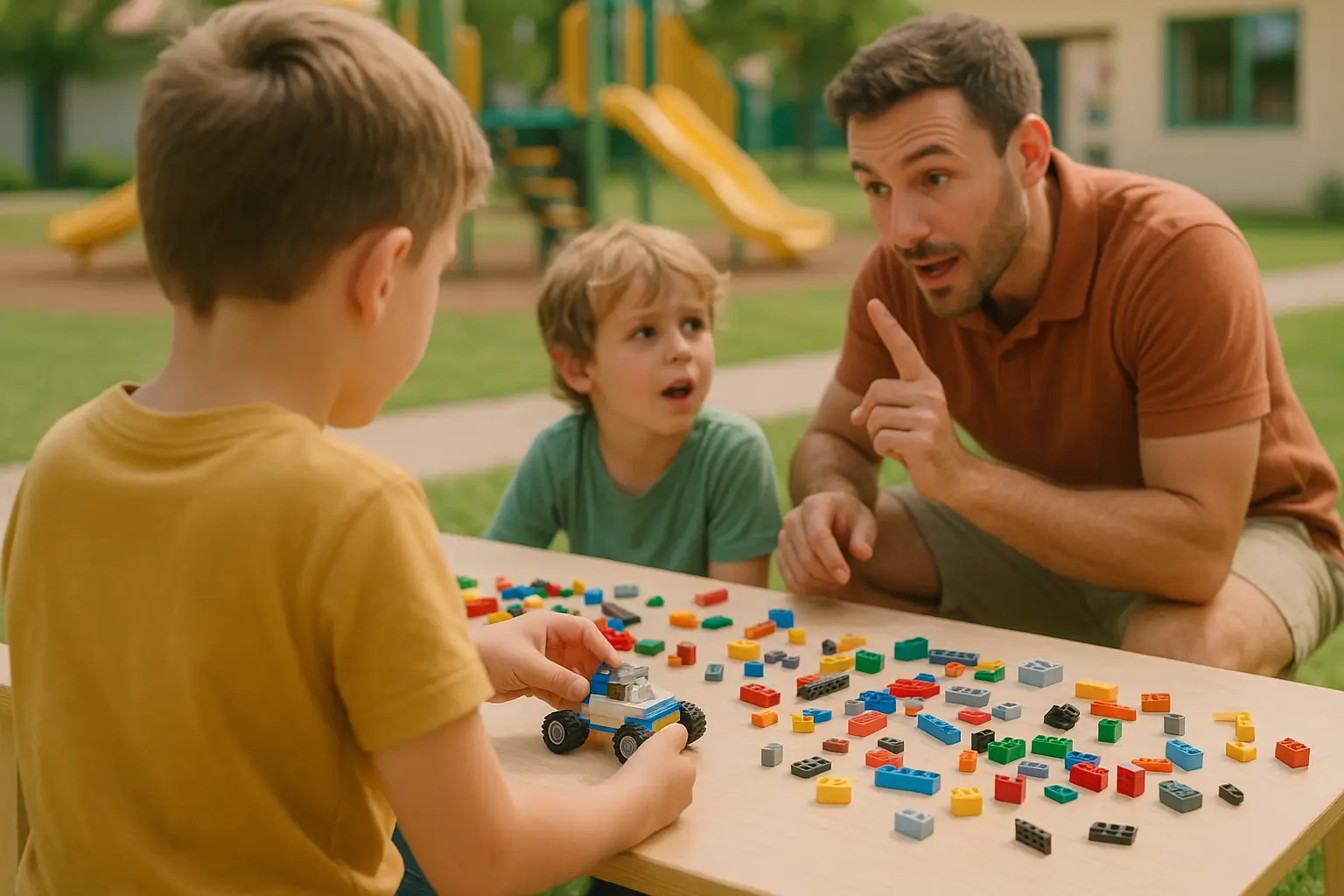
— Week 2: Mini-Inventors — simple machines, Rube Goldberg projects, LEGO challenges.
— Week 3: Story & Stage — creative writing, puppetry, short plays, local history tales.
— Week 4: Makers & Crafts — recycled-material design, textile arts, collaborative murals.
Sample daily schedule (full-day model)
— 09:00–09:30 — Arrival, warm-up games, morning circle (goals & safety)
— 09:30–10:45 — Main project/workshop (hands-on, teacher-led)
— 10:45–11:15 — Snack & free play (outdoors)
— 11:15–12:00 — Skill block (music, language, or STEM mini-lesson)
— 12:00–13:00 — Lunch & rest/quiet time
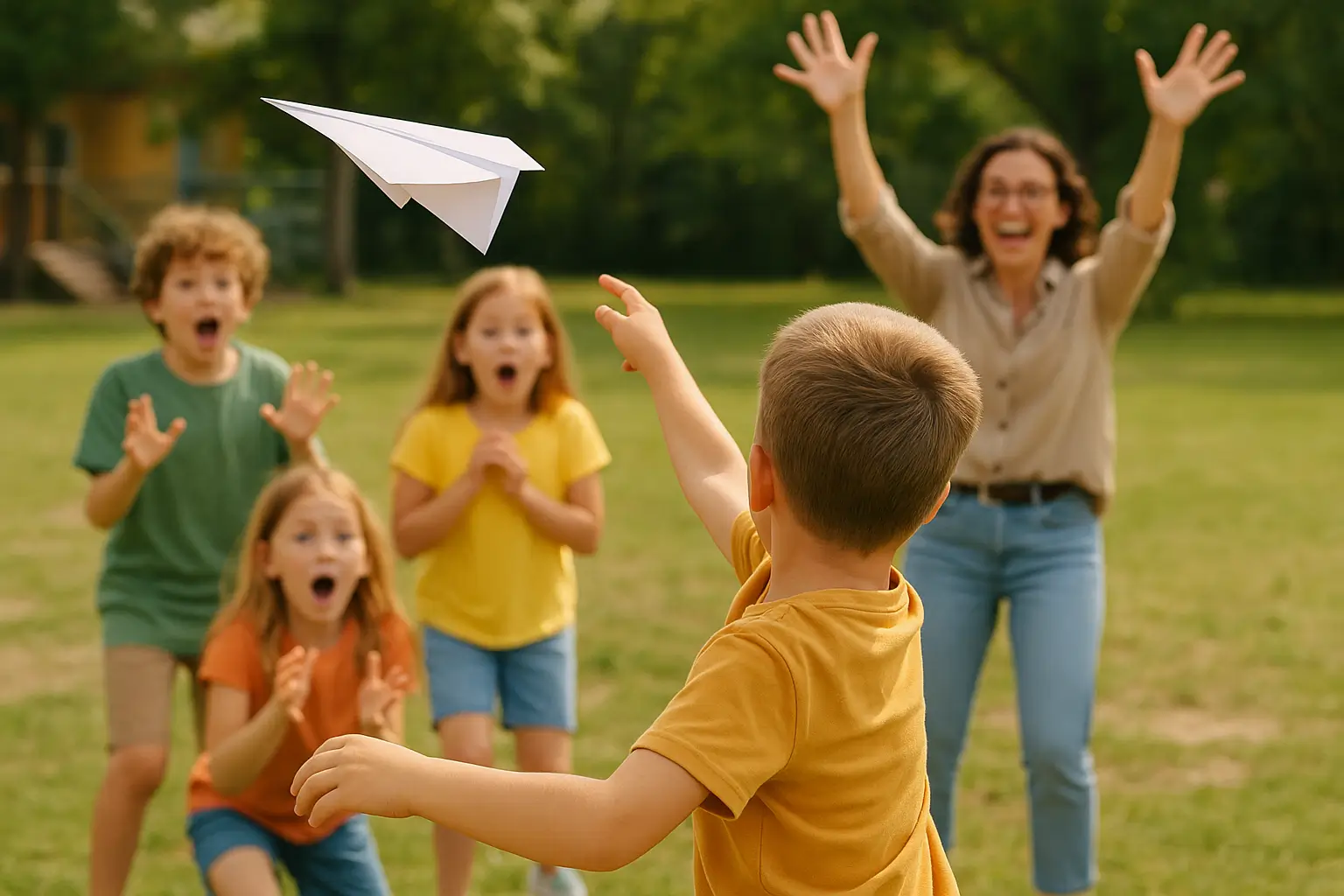
— 13:00–14:00 — Active outdoor games / sports or nature walk
— 14:00–15:00 — Creative session (art, drama, science experiments)
— 15:00 — Pick-up and brief parent update / portfolio sign-off
Half-day programs can scale down to 3.5–4 hours focusing on one major project plus play.
Activity ideas by age
— Ages 5–7: nature scavenger hunts, clay and collage, drama games, simple building blocks, basic science experiments (volcanoes, sink/float).
— Ages 8–10: stop-motion animation, robotics kits (beginner), coding games, gardening beds, community art projects.
— Ages 11–14: design challenges (bridge-building, app concept), creative writing workshops that stage short plays, leadership roles mentoring younger groups.
Staffing & safety
— Recommended staff-to-child ratios: ages 5–7 → 1:6–8; 8–10 → 1:8–10; 11–14 → 1:10–12.
— Background checks and first aid training for all staff. At least one staff certified in pediatric first aid and CPR on site.
— Emergency procedures and contact list; on-site first-aid kit; clearly marked meeting points for outdoor trips.
— Required paperwork: parental consent, medical info & allergy list, emergency contacts. Obtain written permission for off-site excursions.
— Sun and heat policies: shaded breaks, sunscreen, hats, water stations. Insect-safety measures if hiking or in parks.
Partnerships & local resources
— Reach out to: local libraries, community centers (ДК), school gymnasiums, municipal parks services, volunteer groups, local artists and retired teachers.
— Invite guest speakers/mentors: local librarians, artists, sport coaches, environmentalists.
— Seek in-kind support and sponsorship from local businesses for materials, snack donations, or prizes.
Materials & budgeting (practical tips)
— Start simple: recyclable materials, paper, paint, basic craft kits, sports equipment.
— Create a core supplies list and replenish weekly. Buy in bulk for cost savings.
— Consider small fee per child, sliding-scale or scholarships for inclusion. Track expenses transparently.
Promotion & enrollment
— Use local channels: school newsletters, VKontakte groups for Lobnya parents, Telegram community chats, flyers at clinics and shops, and word-of-mouth.
— Clearly state program dates, daily hours, age ranges, safety measures, costs, and how to register.
— Offer an open day or trial session to let families see the club in action.
Measuring success & end-of-summer outputs
— Simple indicators: attendance and retention, parent satisfaction surveys, child portfolios (photos, project journals), short performances or exhibitions.
— Celebrate with a summer showcase for families — art exhibit, mini-fair, science expo or performance in a local community space.
Parent engagement
— Weekly updates by email or group chat with photos and a summary of learning outcomes.
— Encourage parent volunteers for special sessions.
— Share simple at-home extension activities to reinforce learning.
Quick checklist before launch
— Define objectives and age groups.
— Secure venue(s) and permissions.
— Hire and train staff; arrange first-aid coverage.
— Draft parental forms and emergency plan.
— Create a 4–6 week theme and activity plan.
— Prepare promotion materials and open registration.
—