Give Your Child a Summer That Matters: Hobby Clubs in Lobnya
Summer hobby clubs are more than a way to pass the long June–August days — they’re a powerful environment for child development. In Lobnya, local clubs and community programs combine creative workshops, outdoor play, and hands‑on learning to help children build skills that last a lifetime: curiosity, teamwork, problem‑solving, and independence.
Why a summer hobby club helps children grow
Participation in a structured, varied summer program supports multiple areas of development:
— Cognitive development: project‑based activities (science experiments, coding, puzzles) stimulate critical thinking and curiosity.
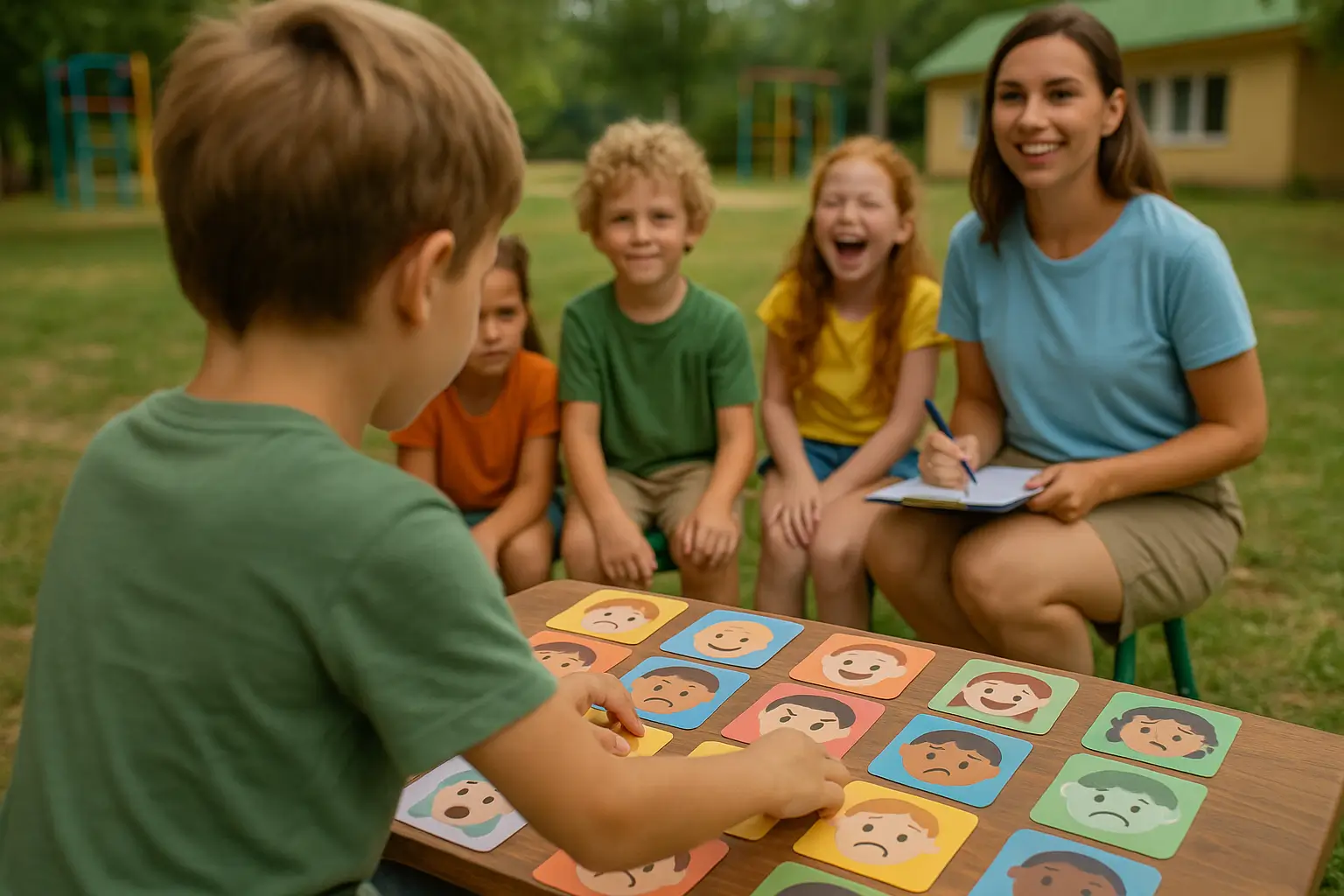
— Social and emotional skills: group projects and games teach cooperation, empathy, conflict resolution, and confidence.
— Creativity and self‑expression: arts, drama, and music let children explore identity and imagination.
— Physical development: outdoor games, sports, and nature walks improve coordination, stamina, and healthy habits.
— Practical life skills: planning, responsibility, and basic self‑care through daily routines and small leadership roles.
What a balanced hobby club schedule looks like
A well‑designed club mixes active, quiet, creative, and exploratory time. Example daily rhythm:
— Morning welcome and warm‑up: name games, short group challenge (20–30 min)
— Skill block A (45–60 min): themed workshop — arts, robotics, language games
— Outdoor time (30–45 min): sports, nature discovery, treasure hunts in safe local green spaces
— Lunch and social time (60 min)
— Skill block B (45–60 min): team project — building, theater rehearsal, gardening
— Reflection and free choice (30 min): journaling, reading corner, mini exhibitions
— Pick‑up and short wrap‑up (10–15 min)
Activity ideas suited to Lobnya children
Choose activities that use local resources and encourage exploration:
— Nature and ecology: guided walks in nearby parks, insect studies, seed planting and a small club garden.
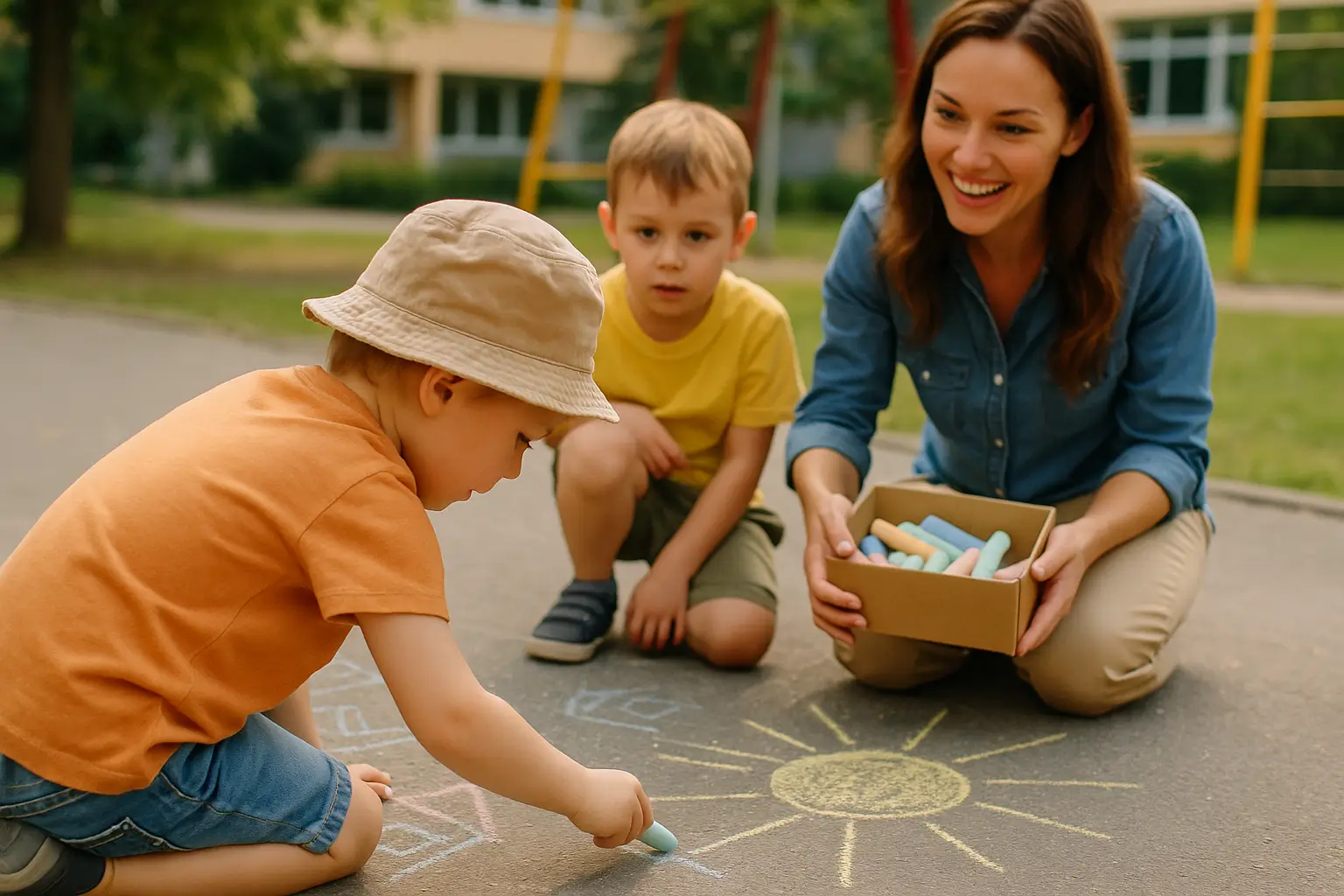
— Creative arts: watercolor landscapes, papier‑mâché modeling, folk crafts inspired by regional traditions.
— STEM and making: basic robotics kits, wind and solar experiments, building simple machines.
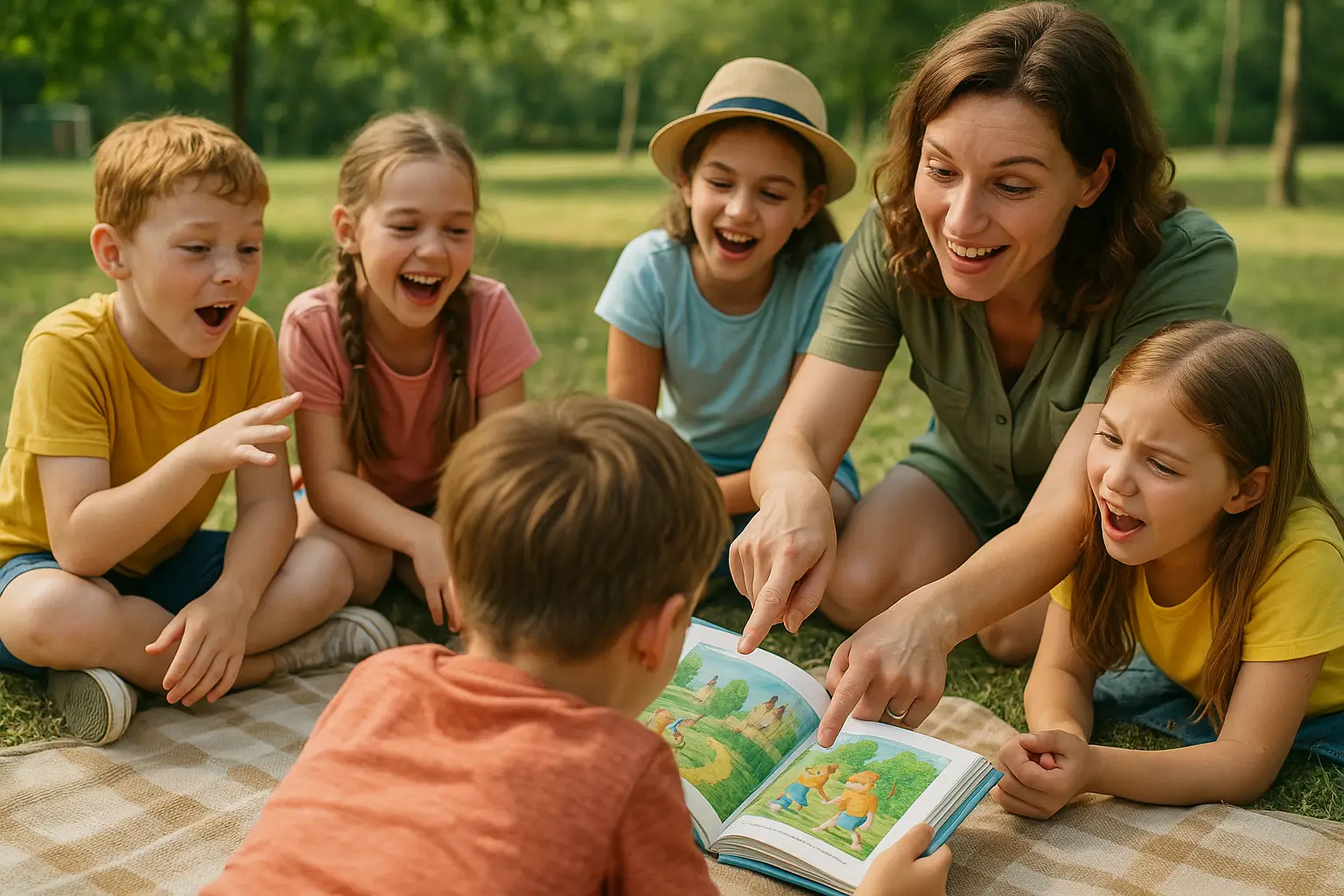
— Theatre and storytelling: short plays about local history or imaginative journeys, puppetry.
— Sports and movement: group games, relay races, basic orienteering for map‑reading and teamwork.
— Language and cultural games: Russian literature for kids, simple foreign‑language songs and games to broaden horizons.
Safety and logistics — what parents should expect
— Licensing and staff: choose clubs run by city cultural centers, schools, or established private programs with clear child‑safety policies and qualified educators.
— Group sizes and ratios: effective clubs keep small groups or maintain low child‑to‑teacher ratios so every child gets attention.
— Health and emergency plans: ask about first‑aid training, medication procedures, and emergency contacts.
— Location and transport: many Lobnya clubs use community centers, school classrooms, or local parks. Confirm drop‑off/pick‑up procedures and whether supervised walks or trips require consent.
— Meal policies: check whether lunch/snack is provided or if you need to pack food; note allergy accommodations.
How to choose the right club for your child
— Align with interests: children are more engaged if activities match their natural curiosity — art lovers, builders, nature explorers.
— Balance challenge and fun: look for programs that stretch skills while keeping activities playful.
— Ask for a trial day: many clubs allow a single day or short trial so your child can test the atmosphere.
— Observe communication: good clubs update parents about daily themes, progress, and any behavioral notes.
— Consider location and schedule: find a club that fits your family routine and minimizes stress around commuting.
Preparing your child — practical tips for families in Lobnya
— Pack essentials: comfortable clothes, water bottle, hat, lightweight rain layer, spare socks, sunscreen, and labelled items.
— Encourage independence: let children practice opening containers, following simple schedules, and asking for help.
— Discuss goals: talk about one thing your child wants to try or learn that summer — a small target increases motivation.
— Stay engaged: attend end‑of‑session showcases, read the newsletter, and provide gentle encouragement at home.
Outcomes you can expect by the end of summer
— Improved communication and social skills: better teamwork, sharing, and conflict resolution.
— New practical skills: basic tech literacy, artistic techniques, outdoor awareness.
— Greater confidence and autonomy: children return to school energized, with stories of achievement and new friendships.
— Ongoing interests: many hobby clubs spark hobbies that carry into after‑school activities and family life.
Getting involved in Lobnya
— Look for programs offered through municipal cultural centers, community schools, libraries, and private studios.
— Many clubs welcome parent volunteers or teen helpers — a good option for older children to develop leadership and responsibility.
— If you’re uncertain where to start, contact your child’s school or the municipal education/culture department for a list of vetted summer offerings.
Embrace this summer as a time of joyful learning. A thoughtfully run hobby club in Lobnya can turn months of free time into an enriching chapter of growth, friends, and discovery — the kind of summer your child will remember for years.
If you’d like, I can help you:
— draft questions to ask a club before enrolling;
— create a one‑week activity plan tailored to your child’s age and interests;
— or prepare a simple packing checklist for day camps. Which would you prefer?