Summer Hobby Club in Lobnya: Growing Skills, Friendships and Curiosity
A well-designed summer hobby club can be a powerful engine for child development — blending learning, play, social growth and local culture into a few invigorating weeks. For families in Lobnya and nearby communities, a summer club is a chance to keep kids engaged, active and curious while strengthening connections with local schools, libraries and cultural spaces.
Why a summer hobby club matters for child development
— *Cognitive growth*: hands-on projects (STEM kits, creative writing, art) build problem-solving, planning and persistence.
— *Social-emotional skills*: team tasks, peer leadership and conflict-resolution practice boost empathy, communication and resilience.
— *Physical development*: outdoor games and movement sessions support motor skills and healthy habits.
— *Creativity and identity*: hobbies let children explore interests, build confidence and express themselves.
— *School readiness and enrichment*: clubs bridge the “summer slide,” reinforcing language, numeracy and study habits in informal ways.
Designing the Lobnya summer hobby club — core principles
— Child-centered: activities tailored by age and interest (preschool, 6–9, 10–13, teens).
— Balanced schedule: alternating focused creative/learning sessions with free play and outdoor time.
— Local culture and place-based learning: incorporate Lobnya’s parks, local history and libraries to make learning relevant.
— Inclusion and accessibility: ensure activities adapt to diverse abilities and language needs.
— Safety and transparency: clear drop-off/pick-up, emergency plans, staff background checks and regular communication with parents.
Program ideas and weekly themes
Mix rotational workshops so every child tries several hobbies across a week or session.
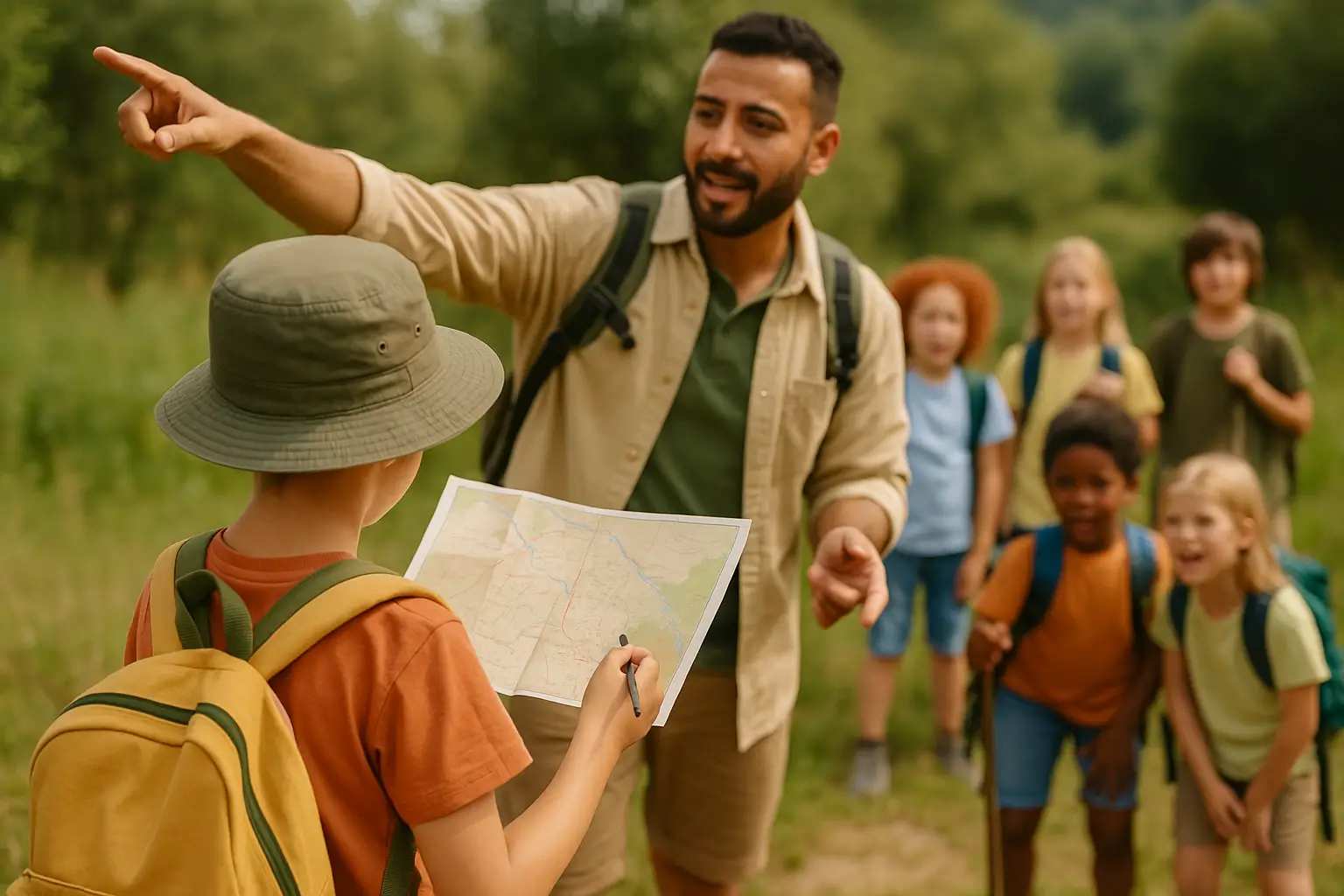
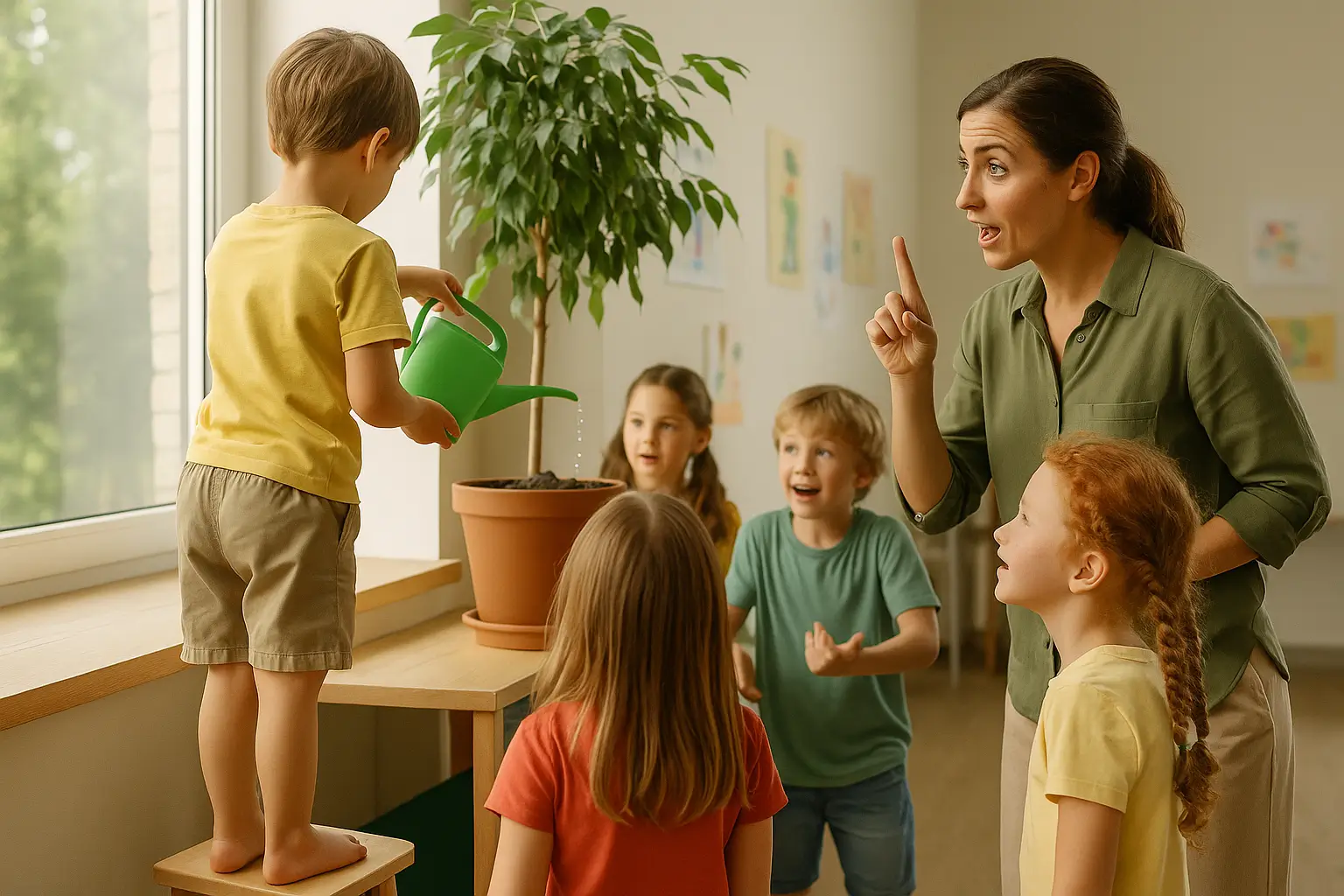
— Week 1 — Nature Detectives: pond study, birdwatching walks, leaf-art, mini-ecology projects.
— Week 2 — Makers & Tinkerers: simple robotics, build-and-test challenges, recycled-material engineering.
— Week 3 — Little Artists: painting, sculpture, folk crafts and a mini-exhibit for parents.
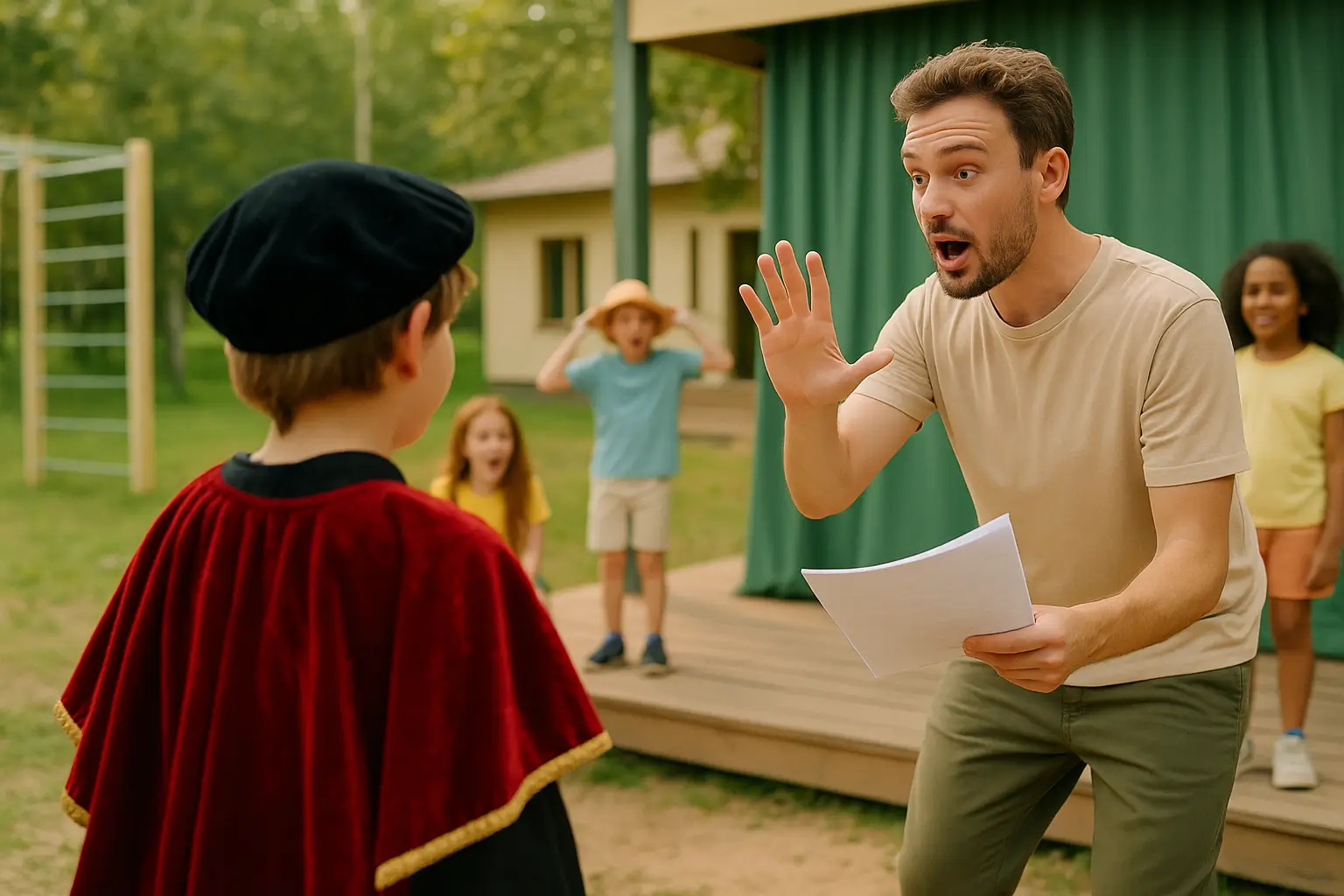
— Week 4 — Story Lab: creative writing, puppet theatre, storytelling walks in town.
— Week 5 — Sports & Movement: team games, obstacle courses, basic athletics and dance.
— Week 6 — Civic & Culture: local history scavenger hunt, visits to libraries or cultural centres, community service project.
Sample daily schedule (ages 7–11)
— 08:30–09:00 — Arrival, free play, welcome circle
— 09:00–10:15 — Focused workshop (theme-based project)
— 10:15–10:35 — Snack and reflection
— 10:35–11:30 — Outdoor activity / active play
— 11:30–12:15 — Rotational skills session (arts, science, or language corner)
— 12:15–13:00 — Lunch and rest
— 13:00–14:00 — Group challenge / team game
— 14:00–15:00 — Calm activities and pick-up (reading, drawing, portfolios)
Staffing, ratios and safety
— Aim for 1:8–1:12 staff-to-child ratio for primary age groups; lower ratios for younger children or special needs.
— Hire trained educators and local hobby experts (artists, sports coaches, naturalists).
— Require first-aid training for all staff, maintain emergency contact lists, and share daily incident logs with parents.
— Use secure sign-in/out procedures and communicate expected behavior and health rules up front.
Partnerships and local resources in Lobnya
— Collaborate with local schools, libraries and youth centres for space, volunteers and promotion.
— Invite local artists, coaches or naturalists to lead masterclasses — this strengthens community ties and enriches content.
— Plan short, supervised excursions to nearby parks or cultural venues to make learning place-based.
Assessment, showcase and parent engagement
— Keep simple portfolios: photos, short student reflections and finished projects to show progress.
— Host a final exhibition or performance for families — it reinforces achievement and builds community pride.
— Weekly updates: email or a messenger group with brief summaries, photos and learning highlights.
— Offer short parent workshops about supporting summer learning at home.
Inclusion, cost and access
— Offer sliding-scale fees or scholarships so families of different means can participate.
— Provide options for children with special educational needs — adapt materials, extend transitions and train staff in inclusive practice.
— Consider bilingual or language-support sessions if families want Russian-English exposure.
Materials and budget basics
— Low-cost starter list: art supplies, basic craft tools, outdoor games, simple STEM kits, first-aid kit.
— Volunteer and donation drives (local shops, parent community) can offset costs.
— Budget categories: staff wages, materials, facility rental, insurance, transportation and snacks.
Measuring success
— Short-term indicators: attendance, participant engagement, completed projects, parent satisfaction.
— Medium-term: improved social skills, sustained interest in hobbies, readiness for next school year.
— Capture anecdotes and representative work to build a program portfolio for future funding and growth.
Launch checklist (quick)
— Define age groups and session length.
— Reserve venues and confirm permits.
— Recruit staff, run background checks and training.
— Create weekly themes, lesson plans and supply lists.
— Open registration and communicate policies to families.
— Organize materials, safety kit and first-day schedule.
Final note
A summer hobby club in Lobnya can be more than childcare — it’s an opportunity to nurture curiosity, friendships and practical skills rooted in local life. With thoughtful planning, safe logistics and strong community partnerships, a club will leave children more confident, creative and connected when they return to school.
For help turning this plan into a flyer, timetable or registration form tailored to Lobnya families, tell me the target ages and session dates and I’ll draft templates you can use.