Summer Hobby Club in Lobnya: Nurturing Child Development Through Play and Learning
A well-designed summer hobby club transforms long warm days into a rich environment for growth. In Lobnya, a town surrounded by green spaces and community cultural life, a local summer club can combine play, creativity, and real-world learning to support children’s cognitive, social, emotional, and physical development.
Why a summer hobby club matters
— Provides structured, meaningful activities during the long summer break.
— Reinforces skills learned at school while encouraging curiosity and independence.
— Builds friendships and teamwork in a safe, community-based environment.
— Gives children opportunities to explore interests they may not encounter in the classroom.
Key developmental goals
— Social & emotional: cooperation, empathy, self-regulation, confidence.
— Cognitive: problem-solving, creativity, curiosity, basic STEM and literacy exposure.
— Physical: gross and fine motor skills, healthy habits, outdoor play.
— Practical life skills: responsibility, time management, communication.
Age group focus and outcomes
— Ages 5–7: play-based learning, fine motor skill development, basic routines, cooperative games.
— Ages 8–11: project-based activities, teamwork, introduction to basic coding or science experiments, creative arts.
— Ages 12–15: leadership opportunities, longer-term projects, community service, specialized workshops (robotics, photography, theater).
Sample weekly structure (flexible)
— Monday — *Creative Kickoff*: art projects, storytelling, craft workshops.
— Tuesday — *Science & Discovery*: simple experiments, nature walks, local ecology.
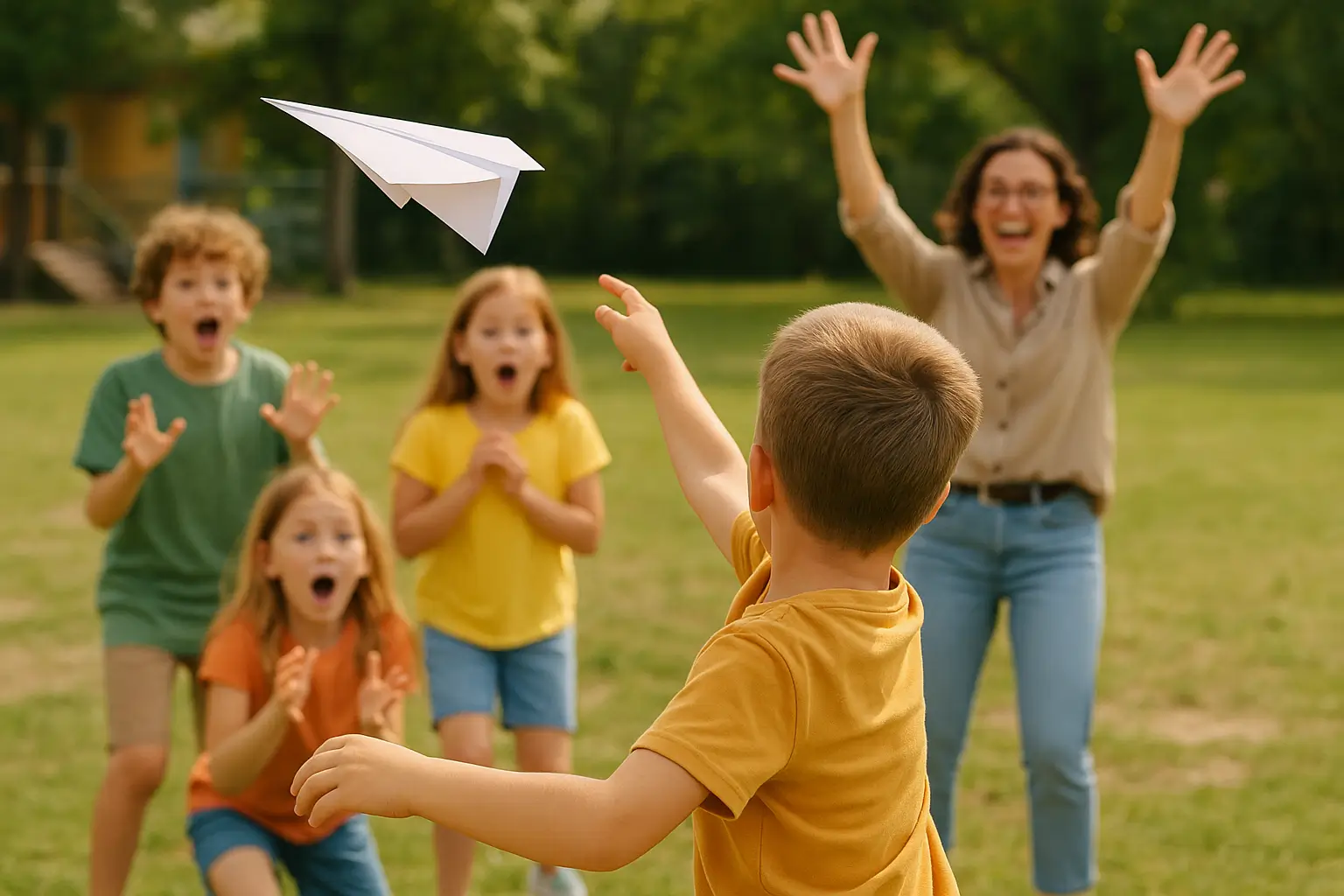
— Wednesday — *Active Games*: sports, obstacle courses, dance.
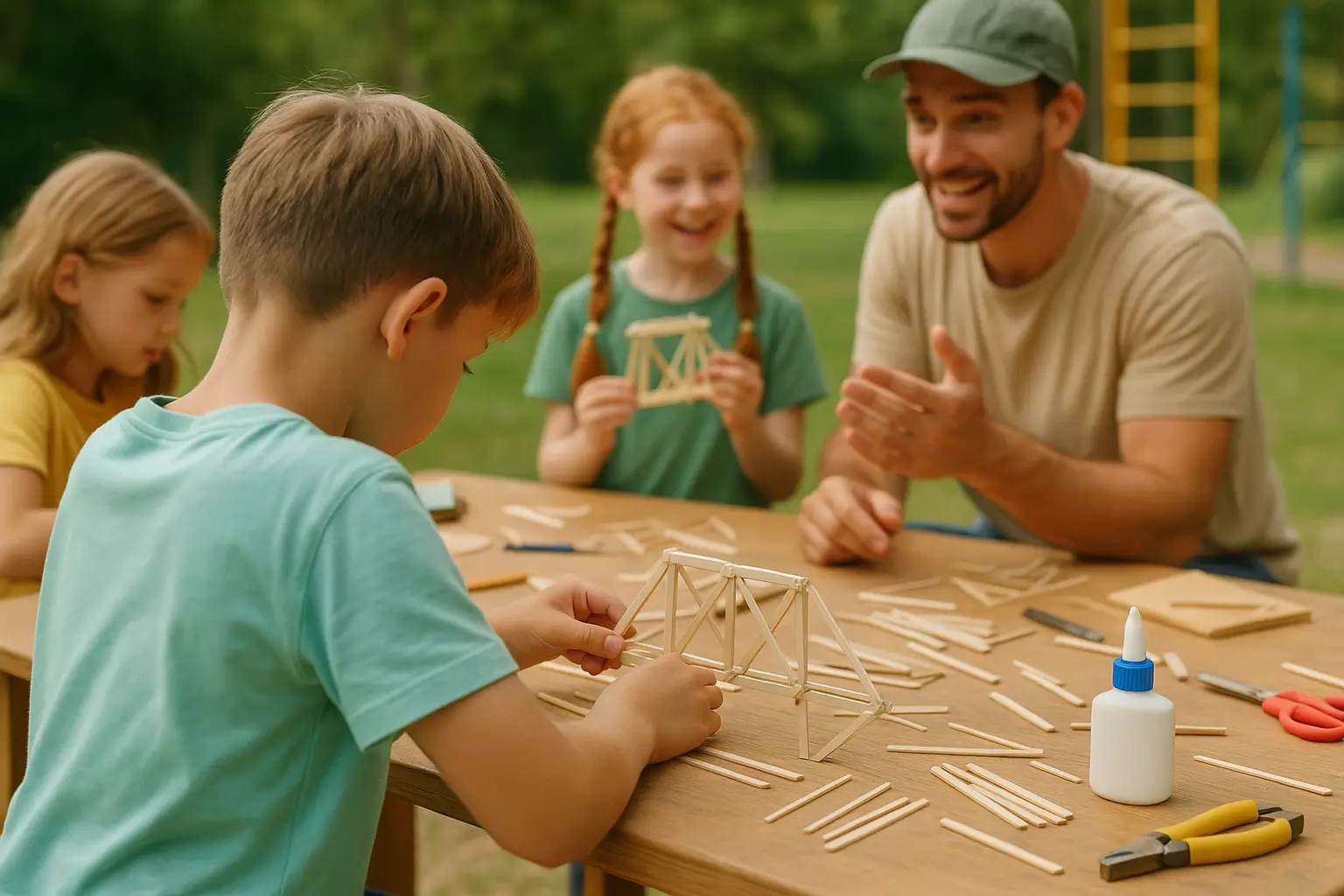
— Thursday — *Skills & Makers*: woodworking, robotics kits, cooking basics.
— Friday — *Community & Showcase*: group projects, performance, exhibition for parents.
Daily rhythm:
— Morning arrival and warm-up (15–30 min)
— Focused activity block 1 (60–90 min)
— Snack & outdoor play (30–45 min)
— Focused activity block 2 (60–90 min)
— Reflection, cleanup, and pick-up (15–30 min)
Activity ideas tailored to Lobnya
— Nature hikes and scavenger hunts in local green spaces to teach observation and ecology.
— Mini local-history projects: interviewing elders, creating a small exhibit or booklet.
— Art and craft workshops using recycled materials—ties into community sustainability.
— Robotics and coding sessions using inexpensive kits—problem-solving and sequencing.
— Theater and storytelling rooted in local culture and seasonal themes.
— Sports and movement sessions in parks to promote fitness and team skills.
— Gardening plots or container gardens—responsibility, biology, and patience.
Partnering with local resources
Leverage Lobnya’s community assets:
— Local libraries and cultural centers (Дом культуры) for space, materials, and volunteer expertise.
— Schools and teachers for curriculum ideas and continuity with the school year.
— Local businesses and craftsmen for guest workshops (artisans, bakers, mechanics).
— Parents and older teens as volunteers and activity leaders.
— Nearby museums or Moscow-based institutions for occasional field trips (plan logistics and permissions in advance).
Safety, logistics, and staffing
— Ratio recommendations: 1 adult per 6–10 children depending on age and activity.
— Clear sign-in/out procedures and emergency contact information for each child.
— First-aid trained staff or volunteers on site; basic supplies available.
— Sun, insect, and heat policies: shaded activities, sunscreen, regular water breaks.
— Permissions and data privacy: parental consent for photos, field trips, and special activities.
Tips for parents
— Ask for a weekly plan and simple learning goals for each activity.
— Confirm staff qualifications and background checks.
— Pack appropriate clothing, a reusable water bottle, healthy snacks, and a change of clothes.
— Encourage reflection—ask your child what they made, learned, or struggled with that day.
— Support small at-home extensions of club activities (reading, mini-experiments, art).
Measuring success
— Observe emotional indicators: increased independence, willingness to try new things, improved peer interactions.
— Track tangible outputs: completed projects, performances, or a summer portfolio.
— Short parent/child surveys mid- and end-of-summer to gather feedback and improve the program.
— Give children roles (helper, presenter) to measure leadership growth.
Getting started: practical steps for organizers
1. Define the club’s mission and age range.
2. Reserve safe, accessible spaces (community hall, school gym, outdoor park).
3. Build a weekly schedule balancing active, creative, and quiet time.
4. Recruit staff and volunteers; run background checks and first-aid training.
5. Prepare materials lists and simple budgets; consider small participation fees or local sponsorships.
6. Promote via local schools, social media groups for Lobnya parents, bulletin boards at libraries and shops.
7. Register children with clear forms covering medical info, permissions, and emergency contacts.
Sample short parent blurb (for a flyer or social post)
Join the Lobnya Summer Hobby Club! For children ages 6–12: arts, science, sports, nature walks, and weekly showcases. Safe, local, and designed to grow confidence, curiosity, and new skills. Runs July–August, Mon–Fri 9:00–15:00. Limited spots — register by [date]. Contact: [organizer phone/email].
—
A summer hobby club in Lobnya can be more than childcare: it can be a community laboratory for childhood development—where curiosity, friendship, and skills flourish together. If you’d like, I can draft a printable flyer, a registration form, or a detailed 4-week curriculum tailored to a specific age group. Which would help you next?