Summer Hobby Clubs in Lobnya: Growing Skills, Confidence and Community in Every Child
Summer hobby clubs are more than ways to pass the long days — they are powerful environments for child development. In Lobnya, a compact town north of Moscow, local hobby clubs bring together parks, school gyms, public libraries and creative studios to offer children meaningful learning experiences, social connection and healthy play. This article explains how summer clubs support development, what a strong program looks like, and practical tips for parents in Lobnya.
Why summer hobby clubs matter for child development
Participating in a focused summer club supports multiple areas of development:
— Cognitive growth: hands‑on projects (STEM experiments, crafts, coding) build problem‑solving, planning and concentration.
— Social skills: group games, collaborative tasks and small-team projects teach cooperation, communication and conflict resolution.
— Emotional development: new challenges build resilience, self‑regulation and confidence as children experience success and learn from mistakes.
— Physical health: outdoor play, sports and movement activities improve motor skills, coordination and general fitness.
— Creativity and self‑expression: drama, music, visual arts and creative writing help children explore identity and imagination.
— Executive skills: routines, goal setting and project work strengthen time management, persistence and following multi‑step instructions.
— Local identity and civic awareness: activities that use Lobnya’s parks, cultural centers or local history help children feel rooted in their community.
What a high‑quality summer hobby club in Lobnya looks like
Good clubs combine purposeful learning with fun, safety and variety. Look for programs that include:
— A balanced daily routine: warm‑up, focused activity block, outdoor play, snacks and reflection.
— Small group sizes and age‑appropriate grouping.
— Clear learning goals (skill outcomes, mini‑projects, a final showcase).
— Qualified and caring staff with first‑aid training and experience with children.
— Opportunities for repeated practice and incremental challenge.
— Inclusion and flexibility for different learning styles and abilities.
Sample week (ages 7–10)
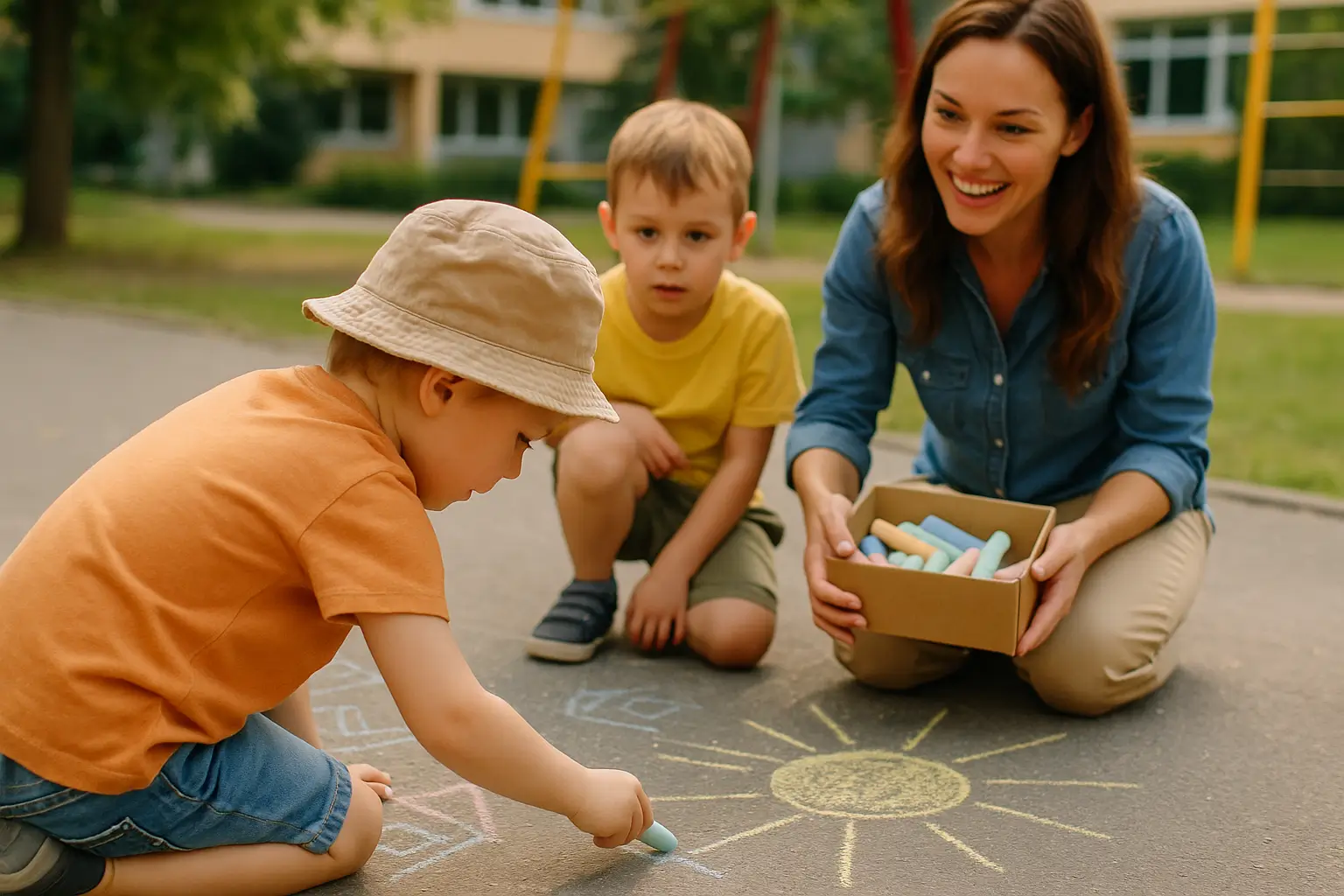
— Monday — Creative Arts: collage, painting, simple sculpture; mini‑exhibit on Friday.
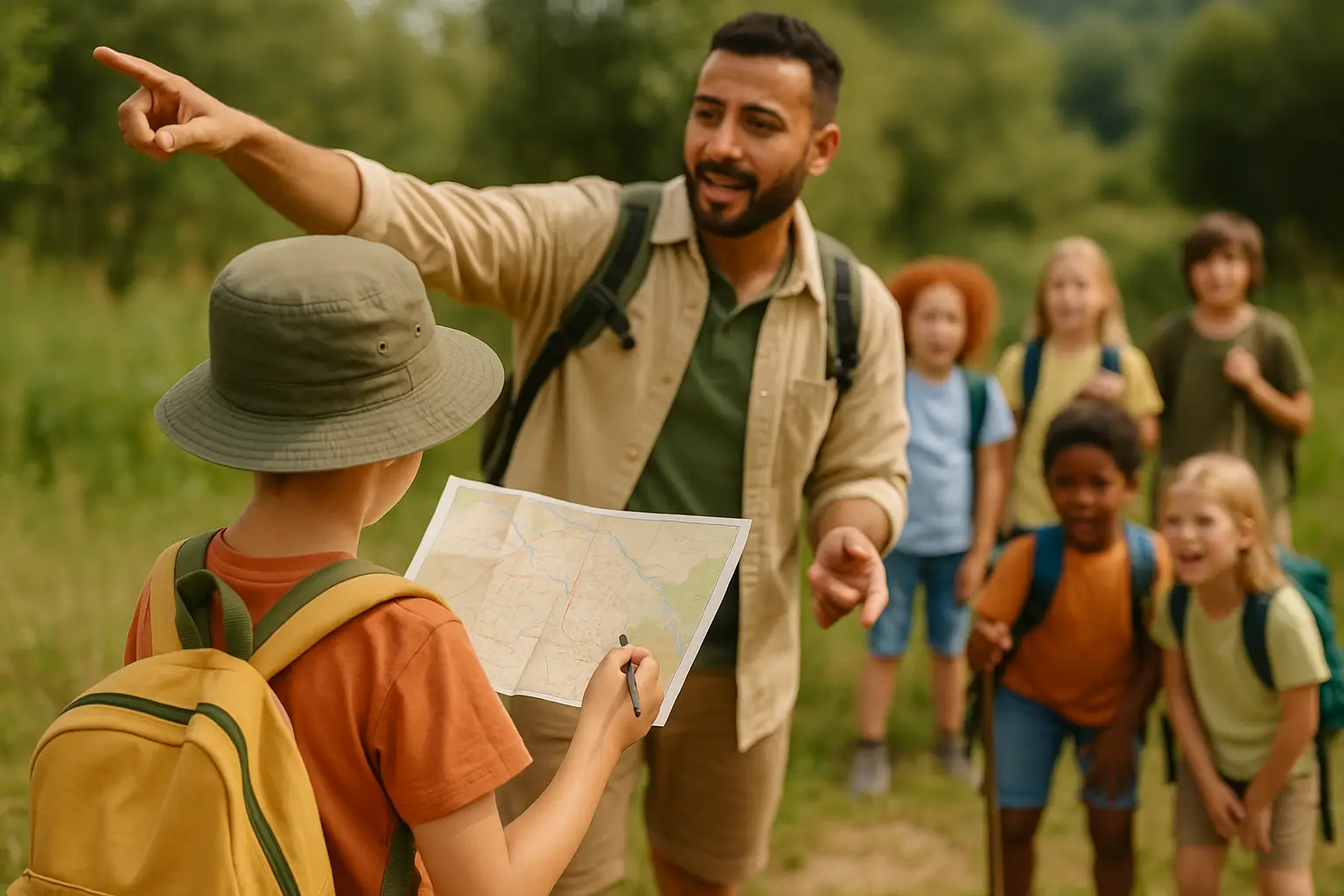
— Tuesday — Nature & Ecology: park exploration, insect study, nature crafts.
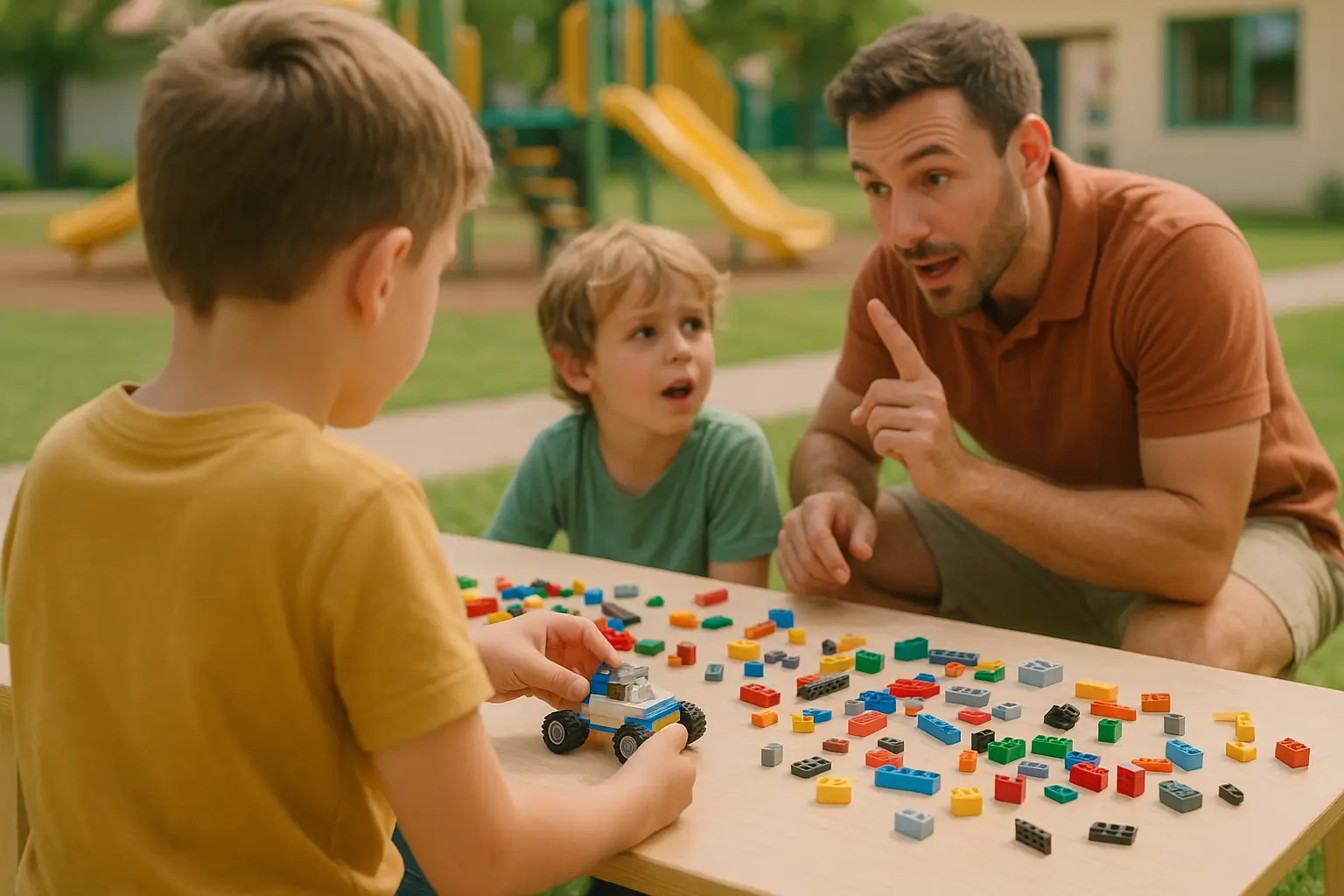
— Wednesday — STEM & Makers: simple machines, coding games, building challenges.
— Thursday — Sports & Movement: team games, obstacle courses, yoga for kids.
— Friday — Performance & Community: drama skits, music, showcase for parents.
Each day: 9:30 arrival / 10:00–12:00 morning activity / 12:00–13:00 lunch and free play / 13:00–15:00 afternoon project & reflection.
Choosing the right club — a checklist for parents
Before enrolling, consider these questions:
— What are the age ranges and group sizes?
— Who are the instructors? Do they have relevant qualifications or background checks?
— What is the daily schedule and learning focus? Is there a clear balance of activity types?
— How is safety handled (first aid, emergency plan, secure pick‑up)?
— What are the rules for weather, cancellations and refunds?
— Are snacks/meals provided? How are allergies and dietary needs managed?
— Is there a trial day or open house so your child can meet staff?
— What are the final outcomes — do children keep projects or perform/present their work?
Practical tips for families in Lobnya
— Pack essentials: comfortable clothes, water bottle, hat, sunscreen, spare clothes and any required medication with instructions.
— Label belongings to prevent loss.
— Send child with easy‑to‑eat, nut‑free snacks if required by the club.
— Discuss expectations in advance: routines, sharing, trying new things.
— Encourage follow‑up at home: display artwork, ask about the day, celebrate small successes.
— Sign up early: popular local clubs often fill fast; ask about sibling discounts or municipal subsidies.
Safety, inclusion and special needs
— Ask about staff ratios and first‑aid/CPR certification.
— Verify background checks and references for instructors.
— Check whether the club adapts activities for children with sensory, mobility or learning differences.
— Confirm allergy policies and emergency medication procedures (e.g., EpiPen).
— Ensure there is a clear, secure drop‑off/pick‑up process and a plan for severe weather.
Connecting with clubs and community resources in Lobnya
To find reputable summer programs in Lobnya:
— Contact local municipal services and the school administration for lists of licensed programs.
— Check community centers (ДК), libraries and youth creativity centers for seasonal offerings.
— Join local parent groups and VKontakte community pages where parents share recommendations and reviews.
— Look for events or open days at clubs so children can try a session before committing.
— Ask about partnerships with nearby cultural venues or parks for special excursions.
Measuring success — what to expect by the end of summer
A strong hobby club should produce observable outcomes:
— Children who are more confident in a skill (e