Introduction
A summer hobby club is more than childcare—it’s an opportunity to support children’s social, emotional, cognitive, and physical development while they explore interests and build confidence. For families in Lobnya, a well-designed local summer club can combine creative projects, outdoor exploration, and community connections to make summer both fun and formative.
Why a hobby club matters for child development
— *Social skills*: Small-group projects and games teach cooperation, empathy, and communication.
— *Executive function*: Routines, goal-setting, and project planning strengthen attention, working memory, and self-regulation.
— *Creativity and problem-solving*: Open-ended art, STEM challenges, and maker activities encourage flexible thinking.
— *Physical health*: Daily active play supports motor development and general fitness.
— *Identity and belonging*: Local community projects (e.g., town cleanup, performances) help children feel connected to Lobnya and proud of their contributions.
Club structure and target ages
— Ages 5–7: Play-based, short attention spans, hands-on crafts, nature walks, simple games.
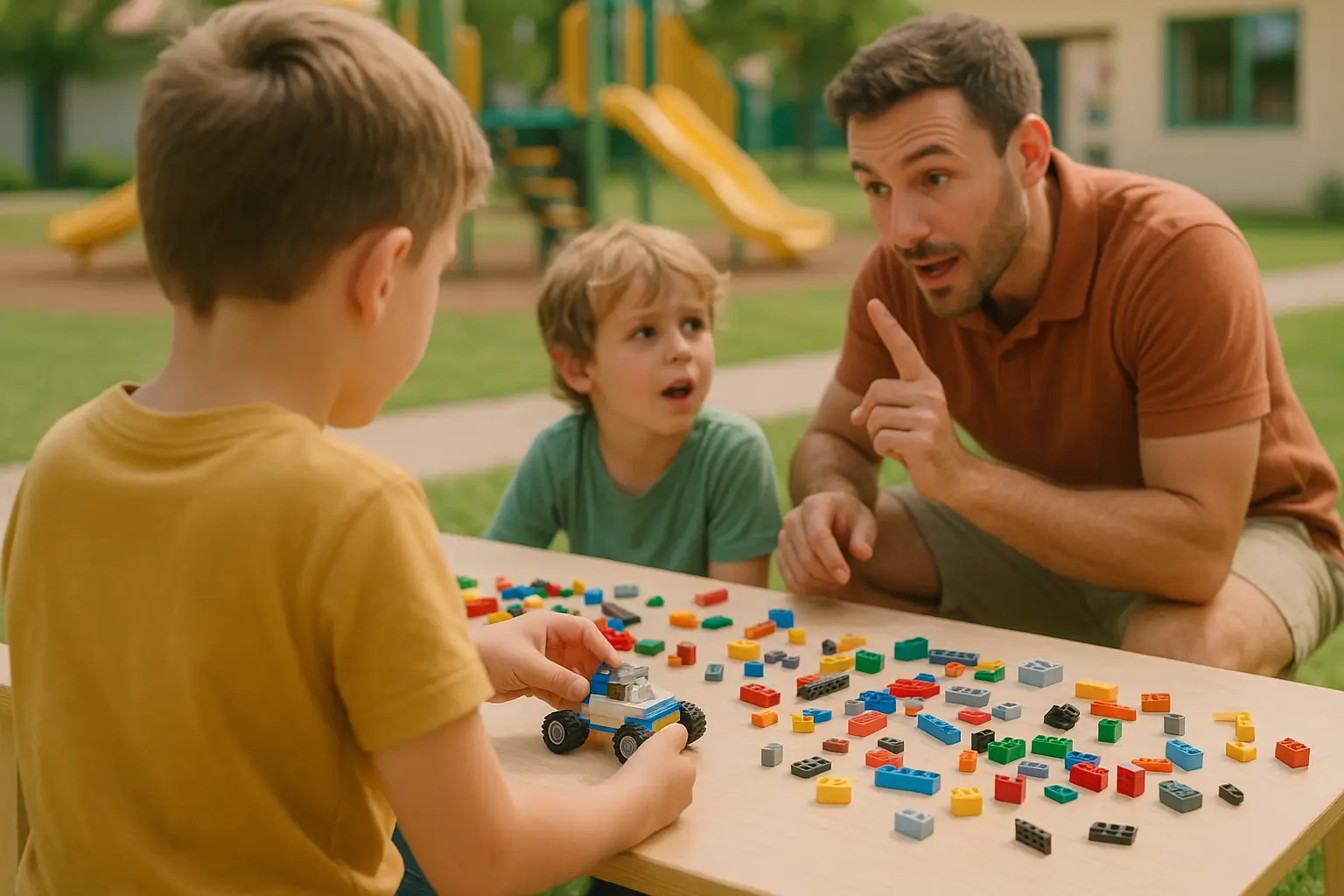
— Ages 8–10: Project-based learning, beginner STEM (robotics kits, coding basics), drama and music, team sports.
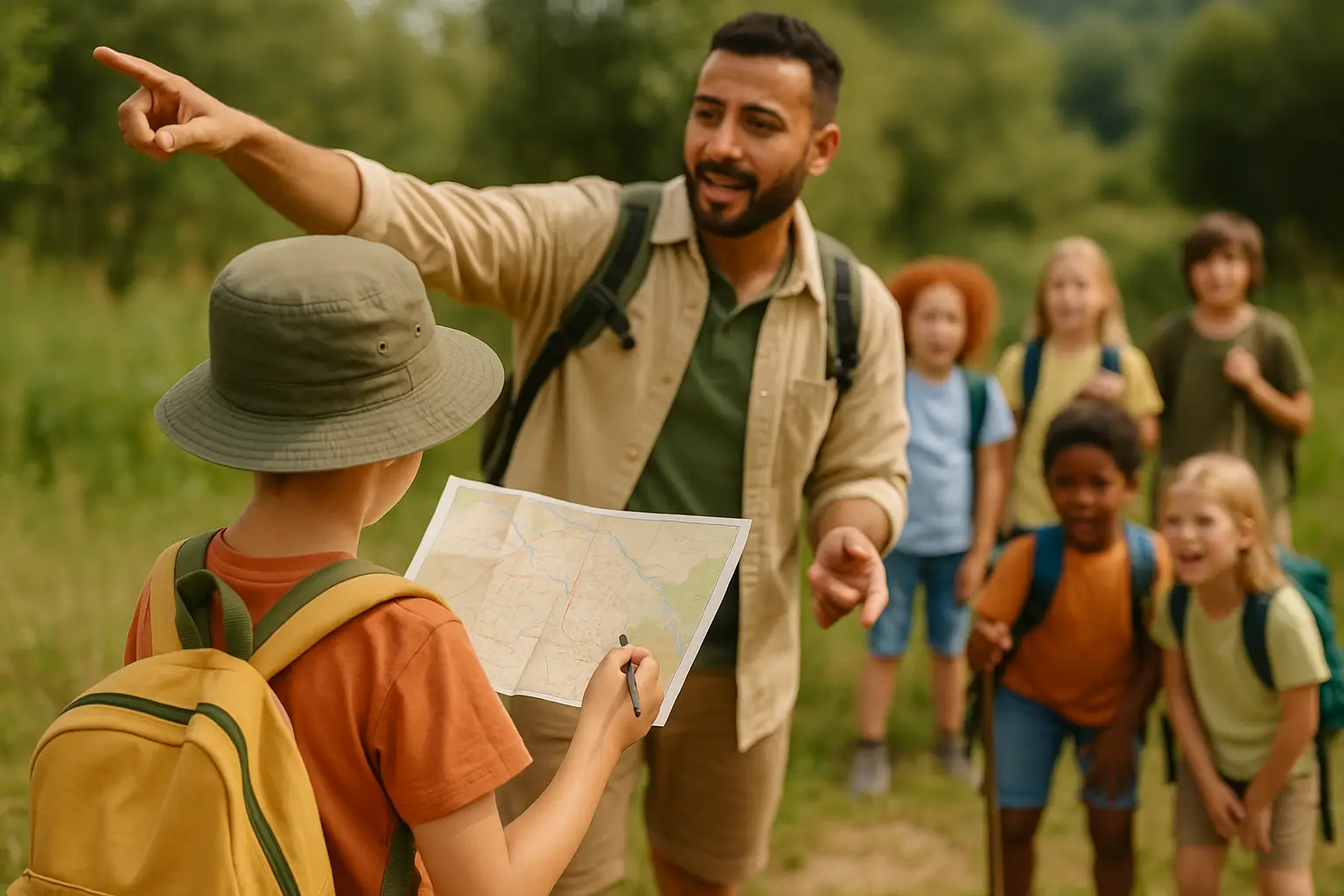
— Ages 11–14: Skill deepening, leadership roles, advanced maker projects, community service, field trips.
Typical day (example)
— 09:00–09:30 — Welcome, warm-up games, morning circle (expectations, theme of the day)
— 09:30–11:00 — Themed workshop (art, science, coding, theater)
— 11:00–11:30 — Outdoor time / sports
— 11:30–12:00 — Snack / free play
— 12:00–13:30 — Project time (small groups)
— 13:30–14:00 — Reflection / story / closing circle
Weekly theme ideas
— Week 1: Creative Makers — crafts, recycled art, mini makerspaces
— Week 2: Little Scientists — experiments, nature investigations, eco-education
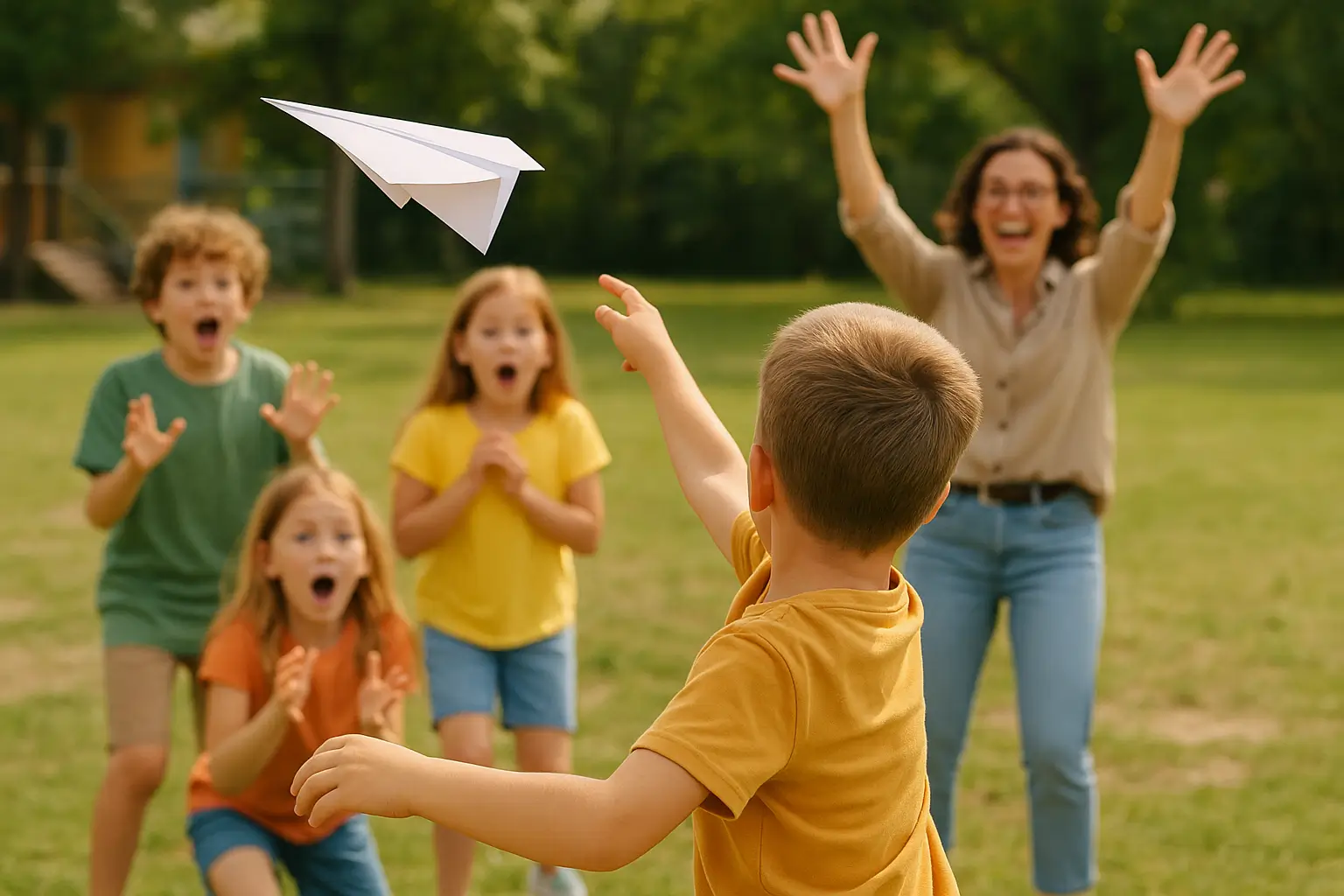
— Week 3: Story and Stage — puppetry, theatre games, local history storytelling
— Week 4: Tech Explorers — beginner coding, robotics, digital art
— Week 5: Sport and Health — team games, swimming (if available), healthy cooking
— Week 6: Community Week — local field trip, service project, end-of-summer showcase
Local partnerships and resources in Lobnya
— Work with local schools and preschools to share space and reach families.
— Partner with cultural centers (дом культуры), public libraries, and sports clubs for instructors and venues.
— Use nearby parks and green spaces for nature activities and active play.
— Arrange occasional excursions to Moscow museums or science centers for enrichment (plan transit and permissions carefully).
— Invite local artisans, athletes, and volunteers to lead masterclasses—this strengthens community ties.
Staffing, safety, and operations
— Staff-to-child ratios by age: roughly 1:6 for ages 5–7, 1:8 for 8–10, 1:10–12 for older kids.
— Background checks, first aid/CPR certification, and child safeguarding training for all staff.
— Clear policies on medication, allergies, emergency contacts, and pick-up authorizations.
— Daily attendance, incident reporting, and regular communication with parents (morning briefing, end-of-day notes, or a private VK/WhatsApp group).
— Secure indoor space for bad weather and access to restrooms and handwashing.
Inclusive and developmentally supportive practices
— Differentiate activities by skill level and offer choices—promote autonomy and engagement.
— Encourage peer mentoring: older kids help younger ones, building leadership and empathy.
— Use play-based assessment: observe and document progress through photos, short notes, and finished projects.
— Provide quiet spaces and sensory supports for children who need them.
Measuring outcomes and communicating success
— Track participation and attendance trends.
— Use simple rubrics for social skills, independence, creativity, and teamwork (teacher observations).
— Host a final showcase or exhibition to celebrate learning—invite families and local media.
— Share monthly or weekly newsletters with highlights, photos (consent required), and suggestions for home activities to reinforce learning.
Budgeting and sustainability
— Revenue options: parent fees, municipality support, sponsorship from local businesses, small grants, or sliding-scale pricing to ensure access.
— Keep costs down with donated materials, volunteer helpers (university students, retirees), and community-shared equipment.
— Reuse and recycle materials for crafts and maker projects to teach sustainability.
Promotion and community engagement
— Promote via local school newsletters, city bulletin boards, and public groups on VK and Instagram.
— Put up posters in community hubs: libraries, sport complexes, grocery stores, and дом культуры.
— Offer a taster session or open day mid-June to attract families.
— Highlight safety, developmental benefits, and concrete outcomes (what skills kids will build).
Example mini-projects to try
— Lobnya Nature Journal: weekly observations, sketches, and short reports about local plants, birds, and parks.
— Community Mural: design a mural that reflects Lobnya’s character; produce it on a removable panel for display.
— Mini-Robotics Relay: teams build simple bots and test them in friendly challenges.
— Shadow Theater: children write short scripts based on local stories and perform for parents.
Final tips
— Start small one or two weeks, refine based on feedback, and expand.
— Put child choice at the center—interests sustain motivation.
— Document and celebrate progress: photos, certificates, and a closing festival make achievements visible and community-minded.
A summer hobby club in Lobnya can be an engine for joyful learning—combining play, creativity, nature, and community to help kids grow into curious, confident learners.