Summer Hobby Club in Lobnya: Growing Skills, Curiosity and Confidence in Every Child
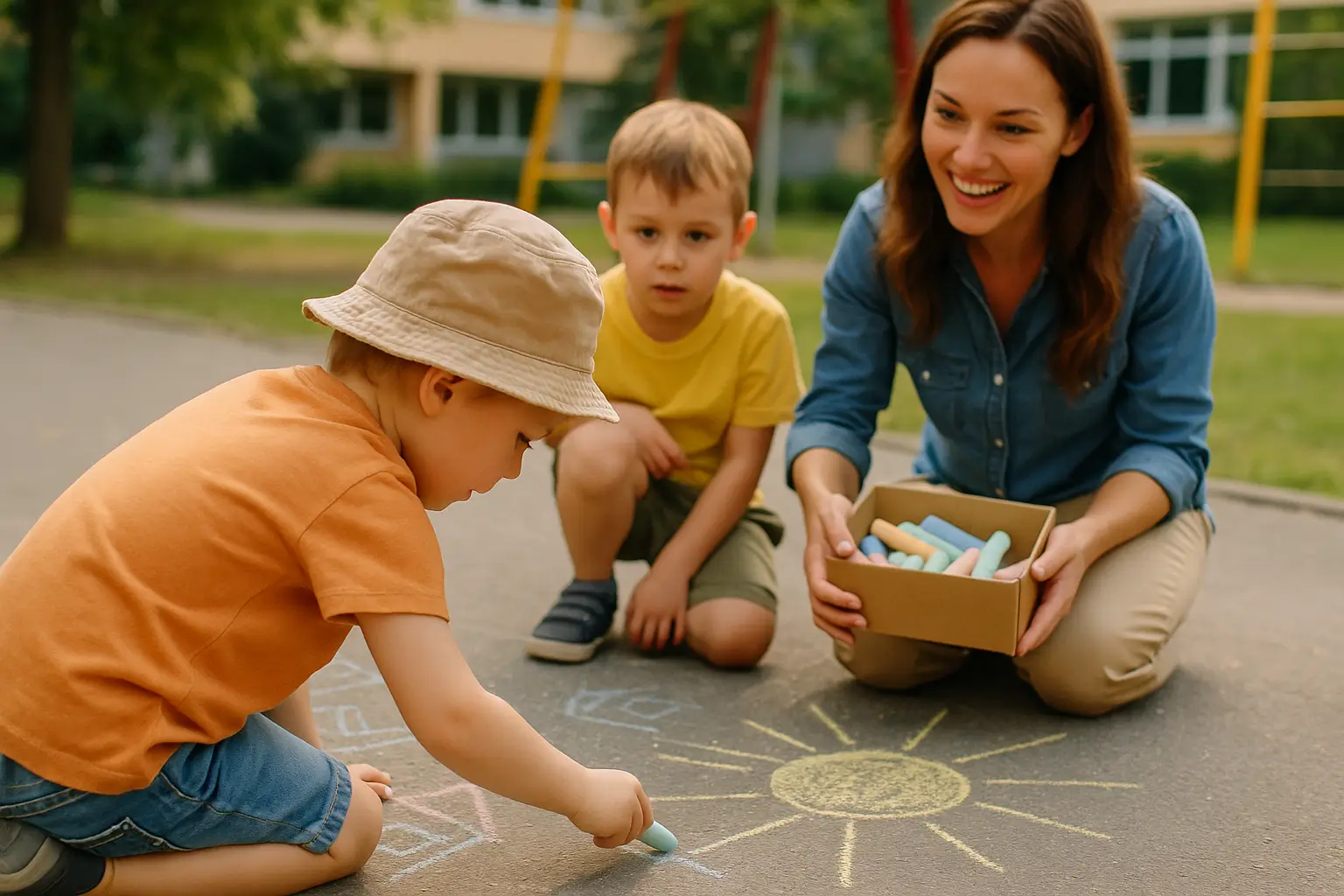
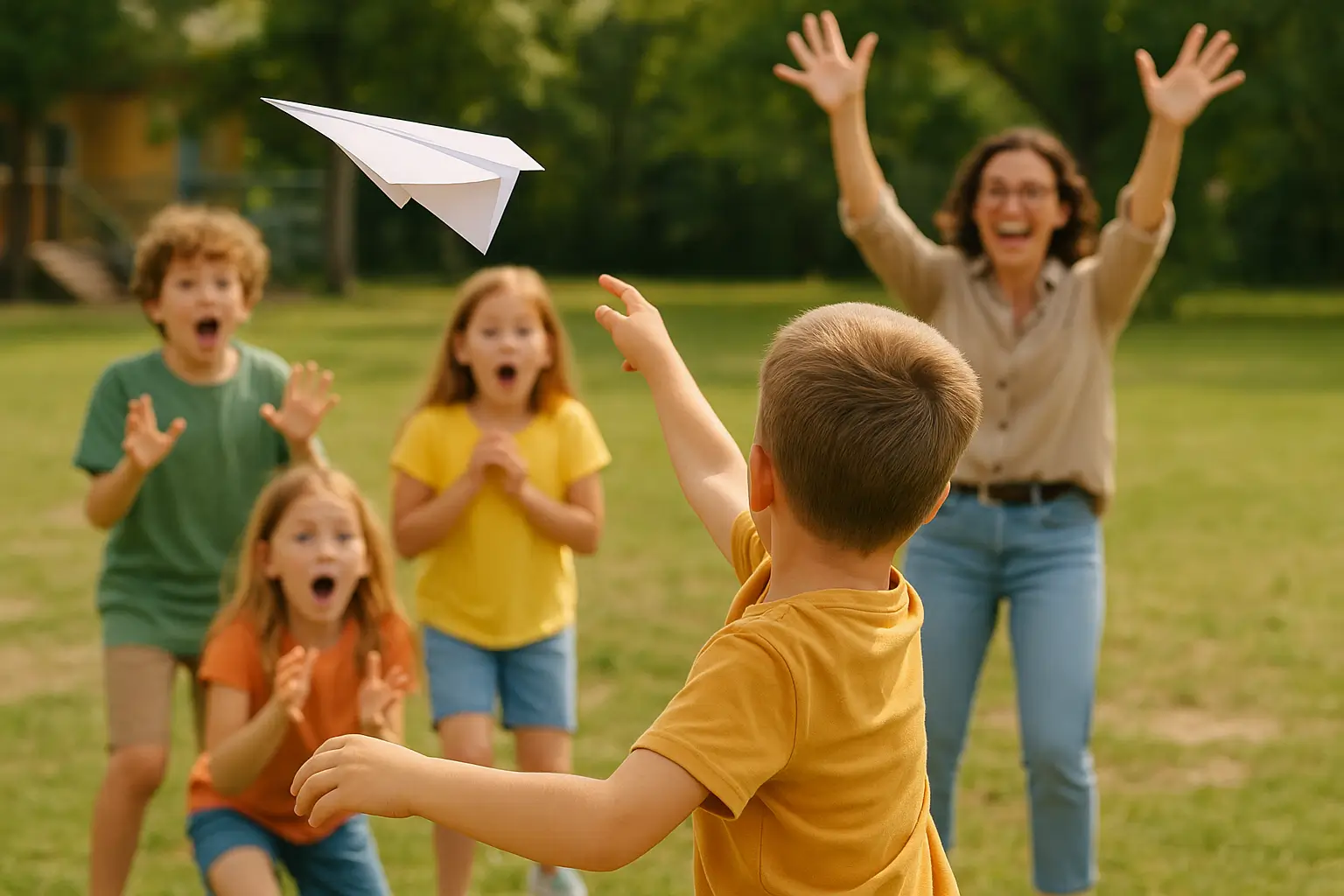
Summer is a powerful time for learning through play, discovery and focused hobbies. A well-designed summer hobby club in Lobnya can help children build social-emotional skills, cognitive abilities and practical talents while enjoying the town’s parks, community spaces and local culture. This article outlines why such a club matters, what activities and outcomes to aim for, and practical tips for parents and organizers.
Why a summer hobby club matters for child development
— *Social-emotional growth*: small-group projects and cooperative games teach communication, empathy and conflict resolution.
— *Cognitive and executive-function skills*: planning projects, following multi-step instructions and problem-solving strengthen attention, working memory and self-regulation.
— *Creative and practical skills*: arts, crafts, music and maker activities foster creativity, fine motor control and persistence.
— *Physical health and coordination*: outdoor games, nature walks and sport-based hobbies build gross motor skills and healthy habits.
— *Academic enrichment*: themed weeks (reading, science, math games) maintain and extend school-year learning in low-pressure ways.
Target ages and group structure
— Ages: typically 6–12 years (can be divided into 6–8 and 9–12 cohorts).
— Group size: 8–12 children per instructor for hands-on activities.
— Staff: trained educators or hobby leaders, plus volunteers; at least one certified first-aid responder per group.
— Typical day: 4–6 hours, mixing structured workshops and free-choice play.
Sample weekly themes and activities
— Week 1 — Nature Explorers: park walks, leaf and insect journals, simple ecology projects.
— Week 2 — Creative Makers: clay modeling, recycled-material constructions, basic woodworking with supervision.
— Week 3 — Little Scientists: hands-on experiments, safe chemistry demos, engineering challenges.
— Week 4 — Story & Stage: creative writing, puppet-making, short play performances for families.
— Week 5 — Sports & Movement: cooperative games, obstacle courses, dance and rhythm sessions.
— Week 6 — Local Heritage & Projects: community mapping, visits to local cultural centers (or guest talks), projects about Lobnya’s surroundings.
Daily structure (example)
— Welcome & warm-up (15–20 min) — group games, check-in
— Main workshop (60–90 min) — skill-building activity tied to theme
— Snack & outdoor play (30–45 min)
— Mini-projects or rotations (45–60 min) — arts, quiet reading, STEM stations
— Reflection & share (15–20 min) — children present what they made or learned
Learning goals and how to measure them
— Observable goals:
— Improved cooperation and turn-taking
— Increased task persistence
— Clearer storytelling or explanation of projects
— Better fine motor control (drawing, cutting, model-building)
— Measurement tools:
— Portfolios: photos and samples of work collected weekly
— Simple rubrics for instructors (social, cognitive, creative markers)
— Short parent surveys at start and end of session
— End-of-program showcase or performance for family feedback
Safety, inclusion and accessibility
— Health & safety:
— Up-to-date emergency and contact information for each child
— First-aid trained staff and clear incident reporting
— Sun safety, hydration, weather plans and indoor backup venues
— Background checks and training for leaders
— Inclusion:
— Adapt activities for varied abilities and sensory needs
— Use clear, simple instructions and visual supports
— Encourage peer buddies and mixed-ability groupings
— Transportation:
— Organize safe group walks to nearby parks, or coordinate parent drop-off and pick-up times
Engaging the Lobnya community
— Partner ideas:
— Local libraries — book-based weeks and reading corners
— Community centers or youth clubs — venue and volunteer support
— Local artists, teachers and hobbyists — guest sessions
— Nearby parks for nature programming
— Family involvement:
— Volunteer spots for parents (reading, craft help)
— Weekly family days or open-studio afternoons
— Regular photo updates and short progress notes for parents
Budgeting and resources
— Low-cost model:
— Recycled materials, community-donated supplies, parent volunteers
— Use public green spaces and municipal halls for venue savings
— Materials to budget for:
— Basic craft supplies, safety gear (scissors, aprons), first-aid kit
— Small stipend for qualified instructors or guest experts
— Funding sources:
— Modest participation fee, municipal youth grants, local business sponsorship
Tips for promoting and enrolling locally
— Clear message: age range, dates, hours, themes and daily schedule
— Practical info: staff-to-child ratio, safety measures, what kids should bring
— Channels:
— Local social media groups for Lobnya, school newsletters, community bulletin boards
— Short flyers for libraries, clinics and youth centers
— Sample call-to-action line:
— “Sign up for a summer of learning and fun — limited places for hands-on groups. Contact [organizer] at [phone/email] to reserve a spot.”
Final notes: measuring success beyond skills
A successful summer hobby club leaves children more curious, confident and connected to peers and their town. Success isn’t only measured by testable skills but by smiles at the end of the day, new friendships and the pride children show in their finished projects. With thoughtful planning, small-group attention and community partnerships in Lobnya, a summer club can be a meaningful step in each child’s development and love of learning.
For organizers: keep activities flexible, collect simple evidence of growth (photos, short observations) and share outcomes with families to build long-term support and participation.