Growing Curious Minds: Child Development and Education in Lobnya’s Summer Hobby Clubs
Summer hobby clubs in Lobnya are more than a way to pass warm months — they are intentional spaces where children explore interests, build skills, and form social habits that last a lifetime. Designed for local families, these clubs combine play, project-based learning, and community ties to support holistic development.
Why summer hobby clubs matter for child development
— *Continuity of learning*: Keeps cognitive and social skills active between school years.
— *Exploration and identity*: Safely exposes children to arts, sports, science, and civic activities so they can discover preferences and strengths.
— *Social-emotional growth*: Cooperative projects, conflict resolution, and leadership opportunities boost empathy, self-regulation, and resilience.
— *Practical skills*: Time management, teamwork, basic project planning, and hands-on techniques (from gardening to coding) prepare kids for future academic and life challenges.
Local advantages in Lobnya
— Proximity to Moscow’s educational resources and culture, while retaining a quieter, community-focused environment.
— Access to outdoor spaces (parks, green areas) and small-group settings that are ideal for nature-based and physical activities.
— Close-knit community makes it easy to engage local volunteers, artisans, teachers, and parents.
Core elements of a successful summer hobby club
— Clear age groupings (e.g., 5–7, 8–10, 11–14) and flexible mixed-age activities to foster mentorship.
— Balanced daily schedule: active play, focused skill sessions, creative time, and free exploration.
— Project-based cycles (2–3 weeks) that culminate in demonstrations, exhibitions, or small performances to build pride and purpose.
— Trained staff who understand child development, first aid, and positive behavior management.
— Inclusive programming that accounts for different abilities, interests, and cultural backgrounds.
Sample weekly program (ages 7–11)
— Monday: Introduction + team-building games; choose club projects (art, robotics, nature)
— Tuesday: Skill session — foundational lesson (painting techniques / basic programming / plant biology)
— Wednesday: Outdoor exploration or sports; sketching/nature journaling
— Thursday: Project workday — collaboration and progress check; guest mentor visit (local artist or coach)
— Friday: Showcase prep; mini-exhibit for families or shared presentation; reflection circle
Adjust activities for younger or older groups and for seasonal weather. In Lobnya, plan more outdoor work in warm spells and indoor creative workshops for rainy days.
Safety, logistics, and practical tips
— Permissions & health: Collect emergency contacts, allergy/diet info, and signed consent forms for excursions.
— Staffing ratios: Aim for no more than 1:8 (younger children higher supervision).
— Local transport: Coordinate safe pick-up/drop-off; use group walks to nearby parks instead of vehicle trips where possible.
— Facilities: Ensure shade, potable water, sanitary toilets, and quiet space for rest or calming activities.
— Emergency readiness: First aid kits, clear incident protocols, and quick access to local medical services.
Engaging parents and the community
— Regular updates: Weekly newsletters, photos, or short videos showcasing progress.
— Volunteer roles: Invite parents to lead a single session (a craft, a local history talk) or help with logistics.
— Community partnerships: Collaborate with local cultural centers, sports clubs, libraries, and small businesses for guest sessions and resources.
— End-of-summer event: Host a public fair or exhibition that highlights children’s work and strengthens community bonds.
Measuring outcomes and encouraging continued learning
— Simple milestone trackers: Use fun badges or a progress chart for skills and behaviors (e.g., “team-builder,” “little scientist”).
— Portfolios: Have kids keep a small portfolio of drawings, photos, and project notes to document growth.
— Reflection routines: Weekly reflection circles where kids name one new thing they learned and one challenge they overcame.
— Bridge to school year: Provide families with suggestions to continue hobbies at home or recommend local clubs/classes for further engagement.
Sample club themes well-suited to Lobnya
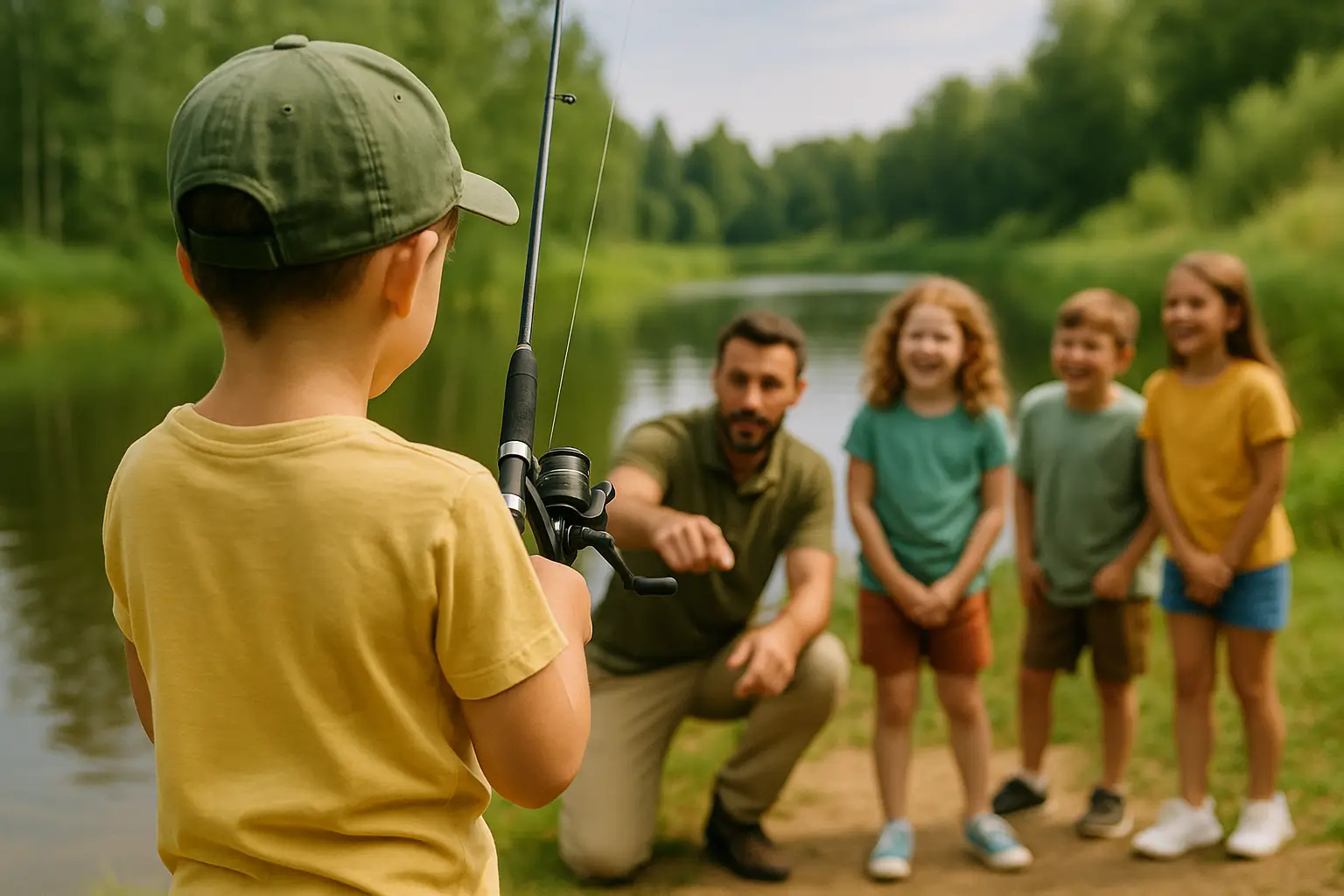
— Nature Explorers: pond study, birdwatching, plant journal
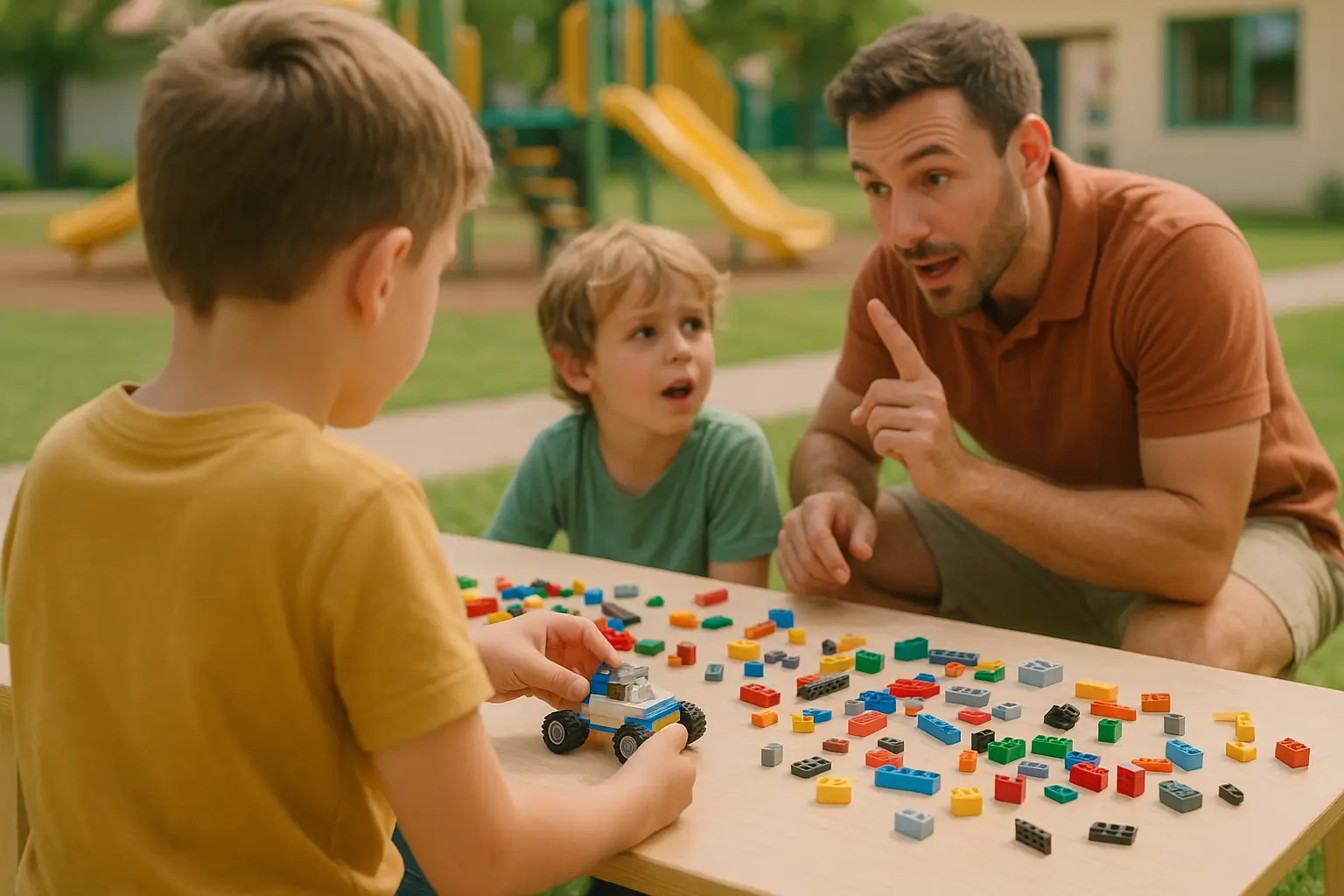
— Makers & Inventors: simple robotics, woodworking basics, recycled-material crafts
— Mini-Museums: local history projects, storytelling, small exhibits
— Active Kids: football, orienteering, group games emphasizing fair play
— Creative Studio: theater, songwriting, painting, photography
How to start or choose a club in Lobnya
— Look for programs run by municipal youth centers, local schools, or community organizations.
— Ask about staff qualifications, child-to-staff ratios, sample weekly plans, and safety measures.
— For parents starting a club: start small (one theme, 10–15 kids), recruit volunteers, secure a safe venue, and plan two short project cycles for the summer.
Conclusion
A well-designed summer hobby club in Lobnya gives children a joyful, structured space to explore, create, and grow. By combining clear developmental goals with local resources and community involvement, these clubs can turn summer into a season of discovery and lasting skill-building — for kids, parents, and the whole town.